Zingiberaceae Facts For Kids
Zingiberaceae, or the ginger family, is a diverse group of flowering plants with about 50 genera and 1,600 species, known for their aromatic herbs and underground rhizomes found mainly in tropical regions.
Select reading age
Zingiberaceae Facts For Kids
Videos & Quizzesincluded
About this topic
Did you know that the Zingiberaceae family, also known as the ginger family, is made up of some amazing plants? 🌱This family has about 50 different genera and around 1,600 species! These are special types of herbs that grow from hidden parts in the ground called rhizomes or tubers. They can be found in warm places all over tropical Africa, Asia, and the Americas. Many people love these plants not just for their looks but also for their delicious flavors and scents! Imagine biting into spicy ginger cookies or sipping on fragrant chai tea! 🍪☕
Explore with ChatDinoKey Points
Who doesn’t love tasty food?
Some of the most popular species in the Zingiberaceae family include ginger (Zingiber officinale), turmeric (Curcuma longa), and cardamom (Elettaria cardamomum).
As with many plants, some species in the Zingiberaceae family face challenges due to habitat loss and climate change.
Many plants in the Zingiberaceae family are not just tasty; they also serve as natural medicines!
In various cultures around the world, plants from the Zingiberaceae family hold special meanings.
Plants from the Zingiberaceae family play a big role in nature!
Plants in the Zingiberaceae family have some really cool features!
The Zingiberaceae family loves warm weather and can be found in tropical regions!
The Zingiberaceae family belongs to the larger group known as the monocots, which have special traits like narrow leaves.
Scientists are excited to learn more about the Zingiberaceae family!
Photos of Zingiberaceae


Elettaria cardamomum

Globba inflorescence.

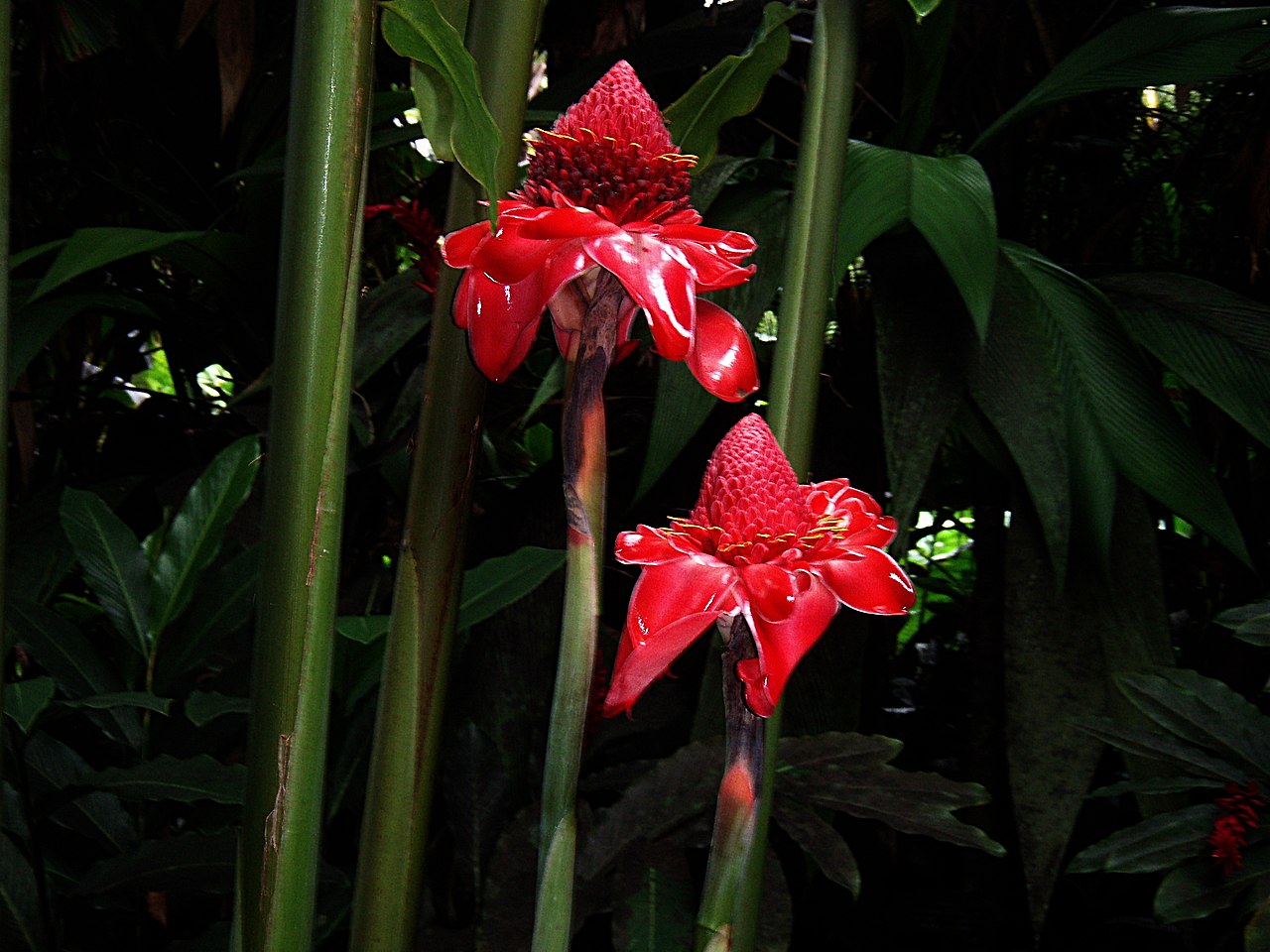
Zingiber spectabile cultivar Beehive
🌶️ Culinary Uses
Who doesn’t love tasty food? 🌶️ The Zingiberaceae family is famous for delicious ingredients like ginger and turmeric! Ginger is used in many dishes across the globe, and it adds a spicy flavor to meals. You can find it in stir-fries, teas, and sweets like gingerbread! 🍰Turmeric, with its bright yellow color, is often used in curry dishes and can make food look beautiful! 🍛These ingredients not only make foods tasty but also provide health benefits. They are loved by chefs and home cooks around the world! 🌎
Go deeper🌱 Common Species
Some of the most popular species in the Zingiberaceae family include ginger (Zingiber officinale), turmeric (Curcuma longa), and cardamom (Elettaria cardamomum). 🌱Ginger is known for its spicy flavor and fragrance, while turmeric is famous for its bright yellow color and health benefits! Cardamom is often used in both sweet and savory dishes, and it has a lovely aroma that many people enjoy. 🌼Each of these plants brings its unique qualities to the table, making them cherished across different cuisines worldwide! 🌍🍽️
Go deeper🌡️ Conservation Status
As with many plants, some species in the Zingiberaceae family face challenges due to habitat loss and climate change. 🌡️ Certain types, especially those found only in specific regions, may be at risk of disappearing. To help protect these amazing plants, it’s important to support conservation efforts and promote sustainable farming practices. 🌱By growing these plants responsibly and ensuring their habitats are healthy, we can help them thrive for generations to come! Every little action can make a big difference! 🌍💚
Go deeper🌿 Medicinal Properties
Many plants in the Zingiberaceae family are not just tasty; they also serve as natural medicines! 🌿Ginger has been used for centuries to help with stomach aches and nausea. It’s even used in some candies for soothing sore throats! 🍬Turmeric has high antioxidant properties that help keep our bodies healthy and support overall well-being. It’s often used in traditional medicine in countries like India! So, next time you enjoy some ginger tea or turmeric milk, remember that they are doing great things for your body too! ☕💪
Go deeper🌏 Cultural Significance
In various cultures around the world, plants from the Zingiberaceae family hold special meanings. 🌏In India, turmeric is not only used in cooking, but it's also considered a symbol of purity and fertility! It plays an important role in weddings and festivals. Ginger is often used in Asian traditions to celebrate special occasions, as it represents good luck and prosperity. 🍀These plants are woven into foods, ceremonies, and daily lives, making them special in numerous societies across the globe! 🎉
Go deeper🐝 Ecological Importance
Plants from the Zingiberaceae family play a big role in nature! 🐝The beautiful flowers attract important pollinators like bees and butterflies, helping the plants reproduce. Their leaves provide food for different animals and insects. 🌼Some of these plants also help control soil erosion, keeping the ground healthy and strong. Furthermore, the rhizomes improve soil quality, making it better for other plants to grow. So, these flowering plants are truly awesome helpers in creating a vibrant ecosystem! 🌍🌱
Go deeper🌳 Morphology And Anatomy
Plants in the Zingiberaceae family have some really cool features! They usually have thick stems that can grow tall and strong, sometimes reaching heights of several feet! 🌳Their leaves are long and can be very broad, adding beauty to the plants. Most flowers are colorful and grow in clusters, attracting bees and butterflies. 🌼Inside, these plants have rhizomes, which are like underground stems that store food and energy. This helps them survive in tough conditions and allows them to grow back every year! 💚
Go deeper🌞 Habitat And Distribution
The Zingiberaceae family loves warm weather and can be found in tropical regions! 🌞They grow abundantly in places like India, Indonesia, and Nigeria. The tropical rainforests provide them with the moisture and rich soil they need to thrive. They can also be found in gardens around the world where people enjoy growing herbs! 🌺Many of these plants flourish in shaded areas of forests, where they can get some sunlight, but not too much! This helps them create a colorful and diverse environment alongside other plants! 🌳🌿
Go deeper🌿 Taxonomy Of Zingiberaceae
The Zingiberaceae family belongs to the larger group known as the monocots, which have special traits like narrow leaves. 🌿Within this family, there are several genera, like Zingiber (which includes ginger!) and Curcuma (which includes turmeric). The plants are scientifically classified using their Latin names for precise identification. The scientific name for ginger is Zingiber officinale. In total, this family contributes to the biodiversity of our planet and helps scientists learn more about plant relationships and ecosystems! 🌏
Go deeper🔍 Research And Future Prospects
Scientists are excited to learn more about the Zingiberaceae family! 🔍They study these plants to discover new uses and benefits. Researchers are investigating how these plants can combat diseases and improve health. 🌡️ They also explore how to grow them sustainably, benefiting farmers and the environment. New varieties could be developed to survive climate changes. 🍃With ongoing research, there is hope to unlock their full potential! So, who knows what cool discoveries waiting to be made in this amazing plant family? 🌟💡
Go deeper