Zea Facts For Kids
Zea is a fascinating genus of flowering plants in the grass family that includes maize, a staple food crop with various uses.
Select reading age
Zea Facts For Kids
Videos & Quizzesincluded
About this topic
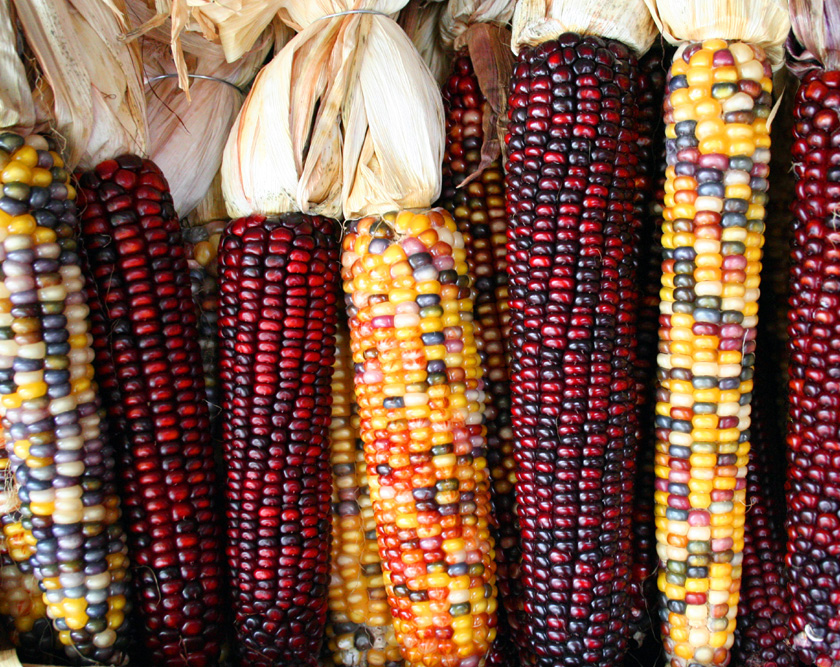
Zea is a group of flowering plants, commonly known as corn or maize 🌽. They belong to the grass family and are mainly found in North America, Central America, and parts of South America. Corn grows tall, sometimes over 10 feet high! It has large leaves and produces ears where the kernels develop. People grow corn for food, animal feed, and many other uses. Did you know that corn can come in various colors, like yellow, white, blue, and even purple? Each year, we celebrate corn with festivals in many places, especially in the United States!
Explore with ChatDinoKey Points
Corn is a super versatile plant!
Corn farming has both positive and negative effects on the environment.
Corn or maize has a fascinating history!
Corn is not only food but a big part of many cultures!
Did you know that scientists study the genes of corn?
Corn comes in many different types!
Corn plants have a unique structure!
In scientific terms, Zea is part of a larger group called Poaceae, which is the grass family.
Scientists are excited about the future of Zea!
Growing corn is an essential practice for farmers!
Photos of Zea

teosinte (top), maize-teosinte hybrid (middle), maize (bottom)

Zea — photo 2


Zea — photo 4


Microscopic view of Zea seed
🌽 Uses Of Zea
Corn is a super versatile plant! 🌽People eat corn in many forms: corn on the cob, popcorn, cornmeal, and tortillas. But it's not just for humans! Farmers feed corn to livestock, like cows and pigs, making it essential for animal farming. Corn is also used to produce products like corn syrup, which sweetens foods, and even biodegradable plastics! 🌍Some people even use corn to make ethanol, a type of fuel. Corn really makes a difference in our diets, industries, and the environment!
Go deeper🌿 Ecological Impact
Corn farming has both positive and negative effects on the environment. 🌿On the good side, corn can help prevent soil erosion when grown properly. However, large-scale farming can lead to issues like habitat destruction and pollution. When farmers use fertilizers, some of it can wash into rivers, hurting animals that live there. Also, certain kinds of corn plants require a lot of water, which can affect nearby plants and animals. That’s why it’s important for farmers to use sustainable practices to keep nature healthy while growing enough food for everyone!
Go deeper🌽 History And Origin
Corn or maize has a fascinating history! 🌽It was first grown by ancient peoples in Mexico around 9,000 years ago! The indigenous peoples cultivated it, changing the wild grass into the corn we know today. In the 1500s, Europeans discovered corn and brought it back to their countries. It quickly spread around the world! Today, the United States is the largest producer of corn, especially in states like Iowa and Nebraska. Corn is not just a food; it's a part of many cultures and traditions across the globe!
Go deeper🌏 Cultural Significance
Corn is not only food but a big part of many cultures! 🌏Native American tribes, such as the Iroquois and Pueblo, have cultivated corn for thousands of years. They have festivals and ceremonies celebrating its importance in their lives. In Mexico, there's a special holiday called "Día de la Cosecha," celebrating corn harvest. Corn is also featured in art, music, and stories all around the world, showing its impact on human culture! 🌽Even the popular snack, popcorn, is tied to movie experiences, making corn a fun part of entertainment too!
Go deeper🧬 Genetics And Genomics
Did you know that scientists study the genes of corn? 🧬They explore the DNA of Zea mays to find out how to make it better and stronger! This field of study is called genetics. By understanding how genes work, scientists can create new varieties of corn that can resist pests, grow faster, or adapt to climate change. This research is important as it helps provide enough food for the growing world’s population. Genomics is also helping scientists learn about the history of corn and how it has changed over thousands of years!
Go deeper🌽 Varieties And Hybrids
Corn comes in many different types! 🌽There are sweet corn, field corn, and popcorn, each with unique traits. Sweet corn is the delicious kind we love to eat at barbecues, while field corn is mainly used for animal feed and processed products. Farmers often create hybrids, which are a mix of two corn plants to get the best traits from both. For example, hybrid corn can be more resistant to pests or yield a lot more kernels. 🌱Farmers carefully choose these hybrids to grow the best crops according to their soil and climate!
Go deeper🌿 Morphology And Anatomy
Corn plants have a unique structure! 🌿A corn plant starts from a small seed that grows into a tall stalk. The stalk has thick, green leaves that help capture sunlight. At the top of the stalk, you'll find tassels, which are the male flowers. The female flowers, called ears, grow along the sides of the plant. Inside the ears are the kernels, which are the seeds of the corn. The roots grow deep into the soil, helping the plant stay strong and drink water. Each part of the corn plant plays an important role in its growth!
Go deeper🌿 Botanical Classification
In scientific terms, Zea is part of a larger group called Poaceae, which is the grass family. 🌿There are several species within the Zea genus, but Zea mays is the most famous and widely cultivated. The scientific name has two parts: "Zea" is the genus, and "mays" refers to the species. Botanists and plant scientists study these plants, looking closely at their leaves, flowers, and seeds. Corn plants typically have male flowers called tassels and female flowers that produce the corn ears. Each corn kernel can grow into a new plant! 🌱
Go deeper🌱 Research And Future Directions
Scientists are excited about the future of Zea! 🌱They are continuously researching to improve corn as the world changes. Topics like climate change, pests, and food security are crucial. Scientists are experimenting with new genetic technologies, such as CRISPR, to create even better varieties of corn that can thrive in tougher conditions. They are also working on ways to use corn sustainably, so it helps the earth while feeding people. With lots of great ideas, the future of corn looks bright, ensuring everyone has tasty meals for years to come! 🌽
Go deeper🌾 Cultivation And Agricultural Practices
Growing corn is an essential practice for farmers! 🌾It starts with choosing the right seeds and planting them in well-prepared soil during spring. Corn needs lots of sunshine and water to grow tall and produce healthy ears. Many farmers use irrigation to keep their crops hydrated. During the summer, they monitor the growth and protect the plants from pests and diseases. Harvesting usually happens in the fall when the kernels are plump and yellow. Farmers celebrate the harvest with events, showing how important corn is to their communities!
Go deeper