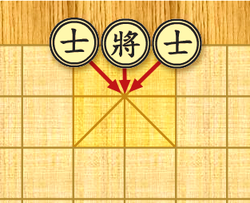
Xiangqi, commonly known as Chinese chess or elephant chess, is a strategy board game for two players that captures the essence of Chinese culture and promotes strategic thinking.

Set reading age
View for Kids
Easy to read and understand
View for Students
Clear, detailed explanations
View for Scholars
Deep dives and big ideas
Xiangqi, or Chinese chess, is a fun board game played by two players! 🎲It’s very similar to international chess but has its own unique pieces and rules. The game is super popular in China and other Asian countries. Xiangqi is played on a board that has 9 vertical lines and 10 horizontal lines. The pieces have different moves, and the goal is to capture your opponent's king, called the "general." You'll find this game in parks, homes, and even in large tournaments! Are you ready to learn how to play this exciting game? Let’s dive in! 🌟
In Xiangqi, players take turns moving pieces on the board. The first player to capture their opponent's general wins! 🎉Players must follow the movement rules for each piece. For instance, soldiers can only move forward until they reach the river, where they can then move sideways! Also, players are not allowed to place their pieces in a "check" position against their own general. The game ends when one player traps the other's general. There’s no time limit, so think carefully about each move. Ready? Let’s play! 🏆
Xiangqi has a rich history that dates back over 1,500 years, starting in China! 🇨🇳 The game evolved from earlier versions like Chaturanga and Shih, which were played during the Tang Dynasty (618-907 AD). The name "xiangqi" translates to "the game of elephants," because of a piece called the "elephant" that moves diagonally. The rules changed over time to create the game we know today! In the 20th century, Xiangqi became even more popular, leading to national competitions and organizations. Today, millions of people in China and around the world still enjoy playing Xiangqi! 🎉
Xiangqi is more than just a game; it’s a part of Chinese culture! 🍜Families and friends often gather to play and spend quality time together. In parks, you may see older players deeply focused on their matches, sharing stories and laughter. Xiangqi also appears in art, literature, and movies, showing how important it is in everyday life. Many schools teach Xiangqi to help develop critical thinking skills. It's a great way to learn strategy while having fun with friends and family! 🎊
The Xiangqi board is divided into ten horizontal lines and nine vertical lines. 🟩🔳 The middle of the board has a river, which affects how some pieces move! There are 14 pieces for each player: 1 general, 2 advisors, 2 elephants, 2 horses, 2 chariots, 2 cannons, and 5 soldiers. Each piece has its own way of moving. For example, the general can only move one space at a time, while chariots can move in any direction across the board! Understanding how each piece moves is key to winning the game! 🚀
There are different versions of Xiangqi played around the world! 🌍While the traditional version is widely known in China, other countries have their own unique twists. For example, in Vietnam, the game is called "Co Tuong" and has slightly different rules and pieces. In other areas, the board might be set up differently! 🌈Each variation offers a new experience, so if you travel or meet new friends, ask if they play a different version of Xiangqi! You might discover something exciting!
Several famous people have excelled at Xiangqi! 🌟One well-known player is Ma Xiao, who became the first Xiangqi world champion in 2004! Another is Lu Shuang, known for her incredible skills and several national championships in China. These players inspire many other kids to learn and improve at Xiangqi. They regularly compete in tournaments and take the game to the international level, bringing the joy of Xiangqi everywhere! Who knows? Maybe you could be a future champion too! 🏅
To win at Xiangqi, it's important to think ahead! 🔍One good strategy is to protect your general while attacking your opponent’s pieces. You can form a strong defense by placing your advisors close to your general. Another tactic is to use cannons creatively—they can jump over other pieces, making them very powerful! Don’t forget to use your soldiers effectively; they can become stronger when they cross the river! 🏅The more you play, the better your strategies will become, helping you earn victories over your friends!
Today, Xiangqi is enjoyed by many people on computers and mobile devices! 💻📱 You can find apps that allow you to play Xiangqi online with friends or face opponents from around the globe. Some schools teach Xiangqi as a fun way to improve focus and strategy in learning. When players use technology to practice, they can learn quicker than ever! No matter where you are, Xiangqi continues to bring friends and family together, keeping its rich history alive! 🎈
Xiangqi has become popular all around the world, with competitions held in many countries! 🌏Events like the World Xiangqi Championships take place annually, gathering players from different backgrounds to compete. These competitions are exciting and help promote friendship and sportsmanship. In recent years, some tournaments even offer prizes and awards! If you love playing Xiangqi, you might want to try competing someday and show off your skills! 🤩
Though Xiangqi and international chess share similarities, they also have many differences! 🔄In Xiangqi, the board consists of 9 lines across and 10 lines up and down, while international chess uses 8x8 squares. The pieces in Xiangqi also have different names and movements. For example, the "cannon" can jump over pieces, which there is no equivalent for in chess! Additionally, Xiangqi has a river in the middle of the board, affecting how some pieces move. Each game has its own unique strategy and offers a different way to challenge your mind! 🧠


DIY is a creative community where kids draw, build, explore ideas, and share.
No credit card required