Western Barn Owl Facts For Kids
The Western Barn Owl, a subspecies of the larger barn owl group, is known for its heart-shaped face and plays a vital role in controlling rodent populations.
Select reading age
Western Barn Owl Facts For Kids
Videos & Quizzesincluded
About this topic
The Western Barn Owl 🦉 is a beautiful bird found in North America, Europe, and parts of Asia! Its scientific name is *Tyto furcata*. This owl is known for its heart-shaped face and stunning white and brown feathers. Usually active at night, the Western Barn Owl has excellent night vision, which helps it hunt for food in the dark. These owls can live up to 4 years in the wild and sometimes longer in places like zoos where they are cared for. They are great hunters and are often found near fields, farms, or forests.
Explore with ChatDinoKey Points
Western Barn Owls can be found in a variety of habitats!
The Western Barn Owl belongs to the Tytonidae family, which includes all barn owls.
The sounds of the Western Barn Owl are quite distinct!
Western Barn Owls are amazing hunters!
Did you know that the Western Barn Owl can hunt in pitch darkness?
The Western Barn Owl is currently not considered endangered, but in some areas, their numbers are declining due to habitat loss and use of pesticides.
Owls, including the Western Barn Owl, have been featured in folklore and stories since ancient times!
Western Barn Owls are known for their unique features!
When it comes time to make babies, Western Barn Owls look for a secure place to nest, such as old buildings, tree cavities, or cliff ledges.
Photos of Western Barn Owl

Western Barn Owl — photo 1

Barn owl in flight

In southwest Scotland


In Madagascar

Skull, showing the beak

Egg, Collection Museum Wiesbaden, Germany

An eulenloch ("owl-hole") in northern Germany lets barn owls access the attic for nesting
🌳 Habitat
Western Barn Owls can be found in a variety of habitats! They love open areas like farms and fields, but they also live near forests and grasslands. 🌳They often look for places to roost, like barns, tree hollows, or abandoned buildings. These cozy spots provide protection from weather and predators. The Western Barn Owl needs a safe environment not just to live in but also to hunt small animals, like mice and voles, that are plentiful in open spaces. 🌾
Go deeper🌍 Taxonomy
The Western Barn Owl belongs to the *Tytonidae* family, which includes all barn owls. They are part of the Tyto genus. This group also has subspecies like the American Barn Owl and Eastern Barn Owl. 🌍Scientists study these owls to understand how they fit into the bigger picture of nature! The Western Barn Owl has a special place in its family and shares similarities but is different enough to have its own name and characteristics. 🦉
Go deeper🌙 Vocalizations
The sounds of the Western Barn Owl are quite distinct! They don’t hoot like some other owls. Instead, they make a spooky “ssss” sound and high-pitched screeches! 🌙While not the melodious tunes you might think of when it comes to birds, these vocalizations help them communicate with each other, especially when they feel threatened or need to find a mate. 🎶Their cries can be heard miles away on quiet nights, adding a mysterious charm to the evening air.
Go deeper🐭 Behavior And Diet
Western Barn Owls are amazing hunters! 🐭They mainly eat small mammals like mice, rats, and even moles. With their keen sense of hearing, they can find their prey in total darkness! They usually hunt alone at night, swooping down silently to catch their dinner. The amazing thing about these owls is that they can eat a whole prey and later regurgitate bones and fur as pellets. 🗑️ These pellets give scientists clues about their diet and help us learn more about their habits!
Go deeper🕯️ Interesting Facts
Did you know that the Western Barn Owl can hunt in pitch darkness? 🕯️ Their eyes are specially designed to see incredibly well without light! Also, they can fly silently due to unique feather structures, allowing them to sneak up on their prey. 🦉Interestingly, barn owls have a heart-shaped face that helps direct sound to their ears, making them fantastic hunters! 🌙Another cool fact is that these owls can eat over 1,000 rodents in a year! That’s a lot of mice! 🐭
Go deeper🌱 Conservation Status
The Western Barn Owl is currently not considered endangered, but in some areas, their numbers are declining due to habitat loss and use of pesticides. 🌱Conservationists work hard to protect these beautiful birds. They create nesting boxes and educate farmers about safer farming practices to help sustain barn owl populations. 🏡By taking care of the environment, we can help ensure that Western Barn Owls continue to soar in our skies for future generations!
Go deeper📚 Cultural Significance
Owls, including the Western Barn Owl, have been featured in folklore and stories since ancient times! Many cultures see them as symbols of wisdom and mystery. 📚In Native American traditions, they are often viewed as protectors of secrets and guides. The Western Barn Owl also appears in literature, films, and art, inspiring creativity and fascination in people. 🎨So when you think of owls, remember they are not just birds; they carry stories and meanings in many cultures!
Go deeper🌾 Physical Characteristics
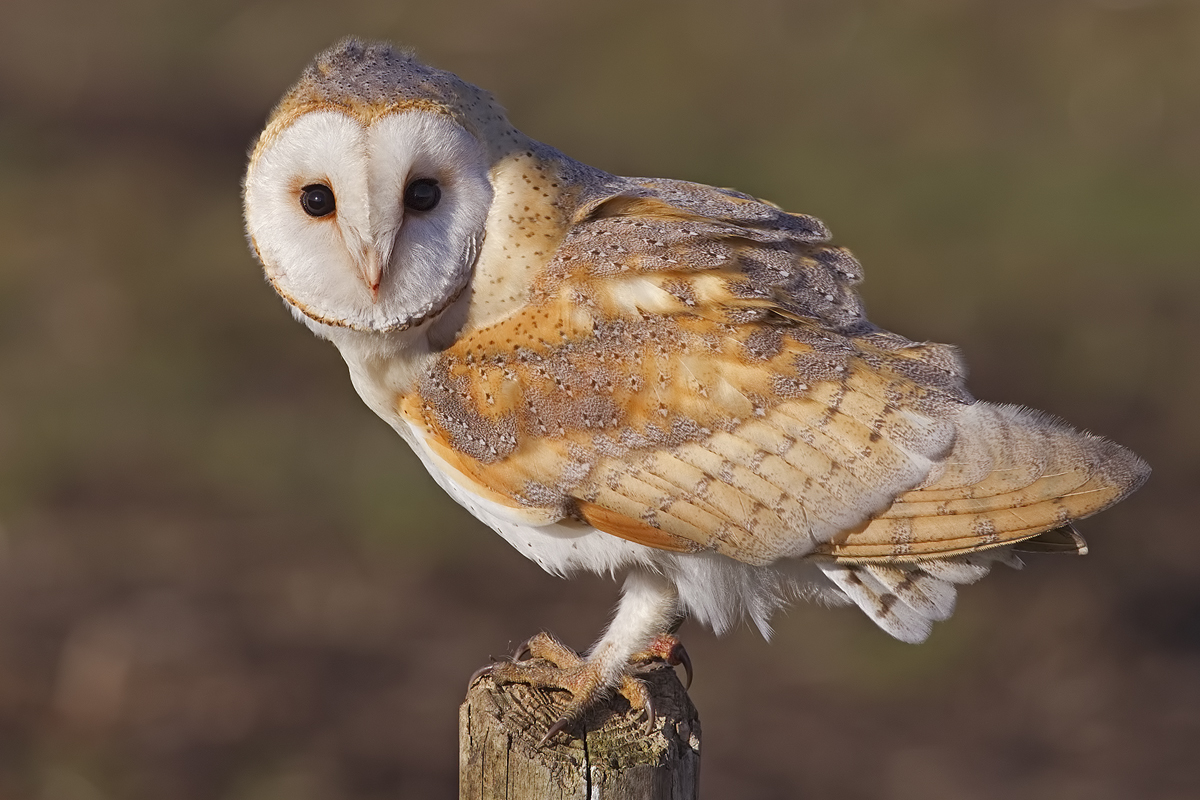
Western Barn Owls are known for their unique features! They have a white belly and a lovely tan, brown, and gray mix on their back. 🌾Their precise heart-shaped face helps them hear soft sounds, like mice scurrying in the grass. Adults can be about 12-24 inches (30-60 cm) long! They also have really long wings, which help them fly silently through the night. 🌙Their beautiful feathers are not just for show; they help them blend into their surroundings while hunting!
Go deeper🥚 Reproduction And Nesting
When it comes time to make babies, Western Barn Owls look for a secure place to nest, such as old buildings, tree cavities, or cliff ledges. A female can lay 2 to 18 eggs! 🥚She incubates them for about 30-34 days until they hatch. The baby owls, called owlets, are covered in fluffy down feathers and need their parents to feed them. As they grow, the owlets learn to fly and hunt, eventually leaving the nest after about 10-12 weeks, ready for their first nighttime adventure! 🌙
Go deeper