Weighing Scale Facts For Kids
A weighing scale is a device that measures the weight or mass of various objects, often found in homes, stores, and laboratories.
Select reading age
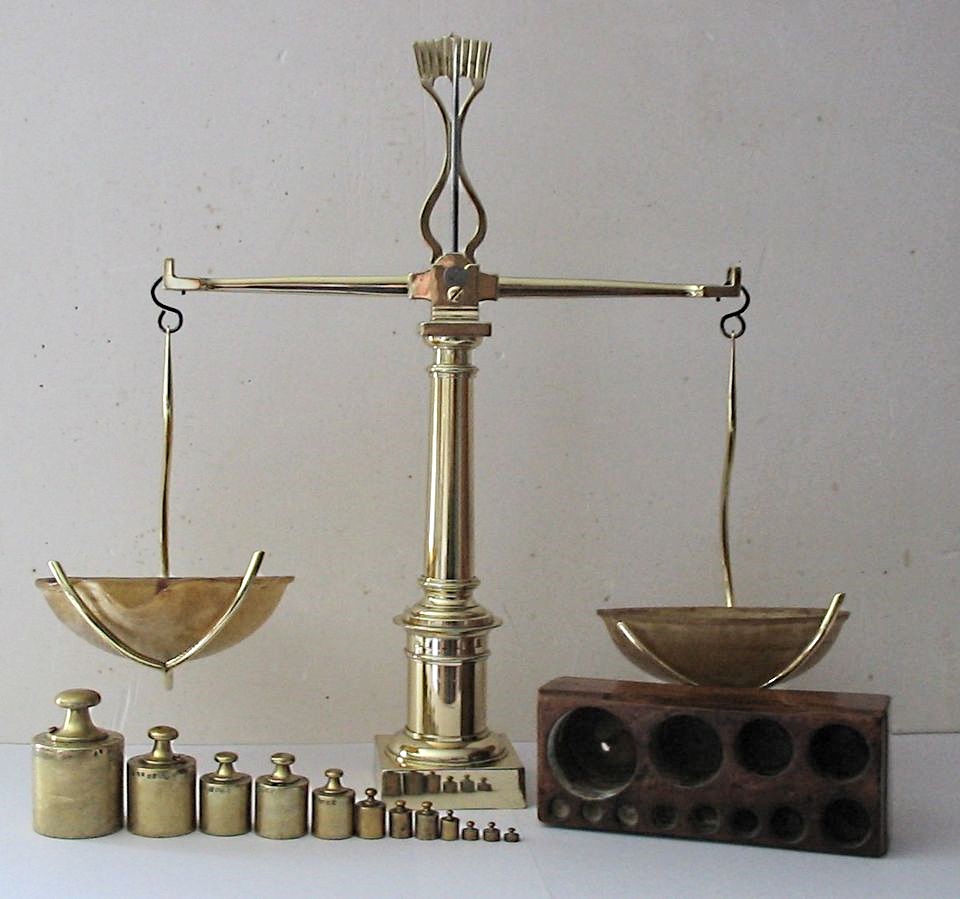
Weighing Scale Facts For Kids
Videos & Quizzesincluded
About this topic
Weighing scales are amazing tools used to measure how heavy something is! ⚖️ They help us know the weight of food, pets, and even ourselves. Scales can show weight in units like pounds (lbs) and kilograms (kg). For example, a small apple might weigh about 0.1 kg 🍏, while a dog could weigh around 10 kg! 🐾Scales are important because they help us understand how much we eat and how healthy we are. They come in many shapes and sizes, from bathroom scales to scales used in stores. Let’s learn more about how they work!
Explore with ChatDinoKey Points
Many people have misconceptions about weighing scales.
Calibration is a fancy word that means making sure a scale gives the right weight.
Weighing scales work by measuring the force of gravity on an object!
There are many types of weighing scales!
There are two main types of scales: digital and analog!
Did you know that weighing scales have been around for thousands of years?
Keeping weighing scales safe and clean is important!
Weighing scales often use different measuring units!
Weighing scales are used in many places!
Weighing technology has come a long way!
Photos of Weighing Scale

Scales used to measure the weight of fruit in a supermarket

Digital kitchen scale, a strain gauge scale

Weighing scale for a baby includes a ruler for height measurement

Weighing Scale — photo 4

8th century BCE Lion weights from Assyria in British Museum

Weighing Scale — photo 6

🚫 Common Misconceptions
Many people have misconceptions about weighing scales. 🚫One common myth is that all scales are the same. 🕵️♀️ In fact, different types are made for specific jobs! Another misconception is that we should weigh ourselves every day. This can be misleading because our weight can change due to many factors. 🌊For example, kids grow, eat, and drink! It's healthier to focus on how we feel instead of just the number on the scale! ❤️ Scales are tools to help, not something to stress about!
Go deeper⚖️ Calibration And Accuracy
Calibration is a fancy word that means making sure a scale gives the right weight. ⚖️ Scales need to be accurate so we can trust their measurements. For example, if a scale says an apple weighs 1 kg, it better be correct! 🍏To calibrate a scale, we often use a known weight, like a weight labeled “1 kg.” If the scale shows something different, we adjust it until it is right. Regular checks help ensure scales work well. This is super important in places like hospitals and stores to keep everyone safe! 🏥
Go deeper🌍 How Weighing Scales Work
Weighing scales work by measuring the force of gravity on an object! 🌍When you place an item on the scale, gravity pulls it down. The scale measures how hard gravity is pulling. ⚖️ In a balance scale, two sides have weights compared to find balance. In a spring scale, a spring stretches, measuring how heavy the object is by the distance it moves. Digital scales use sensors to detect weight and show it on a digital screen. 📊No matter the type, all scales help us know how heavy things are!
Go deeper🎉 Types Of Weighing Scales
There are many types of weighing scales! 🎉Common ones include spring scales, balance scales, and digital scales. A spring scale uses a spring to measure weight, while a balance scale compares weights on either side. ⚖️ Digital scales are high-tech! They use sensors to display weight on a screen. 📱There are also kitchen scales for baking, bathroom scales for weighing ourselves, and industrial scales for big loads! 🚜Each type is designed for specific uses. For example, a kitchen scale helps us bake a cake by measuring ingredients accurately! 🎂
Go deeper⚖️ Digital Vs. Analog Scales
There are two main types of scales: digital and analog! ⚖️ Digital scales show numbers on a screen, making it easy to read your weight. 📱They often have extra features, like measuring body fat or calculating your BMI! Analog scales use a needle and a dial to show weight. 🕰️ You may have seen them at home; they can sometimes wiggle a bit when in use. Both types are helpful, but digital scales are usually more precise. When washing hands, weighing yourself can be fun! 🎉
Go deeper🗓️ History Of Weighing Scales
Did you know that weighing scales have been around for thousands of years? 🗓️ The first known scale was invented in ancient Egypt more than 5,000 years ago! The Egyptians used simple balances made of wood. ⚖️ People in history used these scales to trade goods like food and gold. The famous philosopher Archimedes, who lived in ancient Greece, also studied weight. 🎓Over time, scales became more accurate and advanced. By the 19th century, we had the spring scale and even more precise types. Today, we can find both digital and traditional scales everywhere! ⚡
Go deeper🧼 Safety And Maintenance Tips
Keeping weighing scales safe and clean is important! 🧼Always place your scale on a flat surface so it doesn't wobble. If it’s digital, make sure to replace the batteries when they are low! 🔋Clean your scale with a damp cloth to keep it free from dirt. Additionally, avoid jumping on the scale, which can cause it to break. ⚠️ If you drop it or spill something on it, check if it still works correctly. Respecting the scale will help it last a long time! 🎉
Go deeper⚖️ Measuring Units And Conversion
Weighing scales often use different measuring units! ⚖️ In many countries, weight is measured in grams (g) and kilograms (kg). For instance, a cat might weigh about 4 kg! 🐈In some places, people use pounds (lbs) and ounces (oz). One kilogram equals about 2.2 pounds, and one pound equals 16 ounces. 🎈This means you can convert between these measurements! Knowing how to convert weights can help you bake or weigh things right, making learning fun and practical in real life! 🍰
Go deeper🏪 Applications Of Weighing Scales
Weighing scales are used in many places! 🏪At grocery stores, scales help us buy the right amount of fruits and vegetables. 🍌In hospitals, doctors use scales to check how healthy we are by measuring our weight. 🏥In science labs, scales help researchers measure chemicals and elements for experiments! 🔬Weighing scales are also used in industries to weigh heavy materials like metals and vehicles. 🚚Everywhere we go, scales help keep track of weights every day!
Go deeper🚀 Innovations In Weighing Technology
Weighing technology has come a long way! 🚀In the past, people used only simple scales, but now we have amazing, smart scales. These scales connect to smartphones via Bluetooth to track weight over time. 📱They can even help you with fitness goals! Some scales use special sensors to measure body fat and water levels. 💧In science labs, super accurate scales can measure tiny amounts of materials with great precision! 🔬Innovations are happening all the time, and who knows what the future holds for weighing technology? 🎉
Go deeper