Web 2.0 Facts For Kids
Web 2.0 refers to the new version of the internet where users can interact, create, and share content, making it a dynamic space for collaboration and communication.
Select reading age
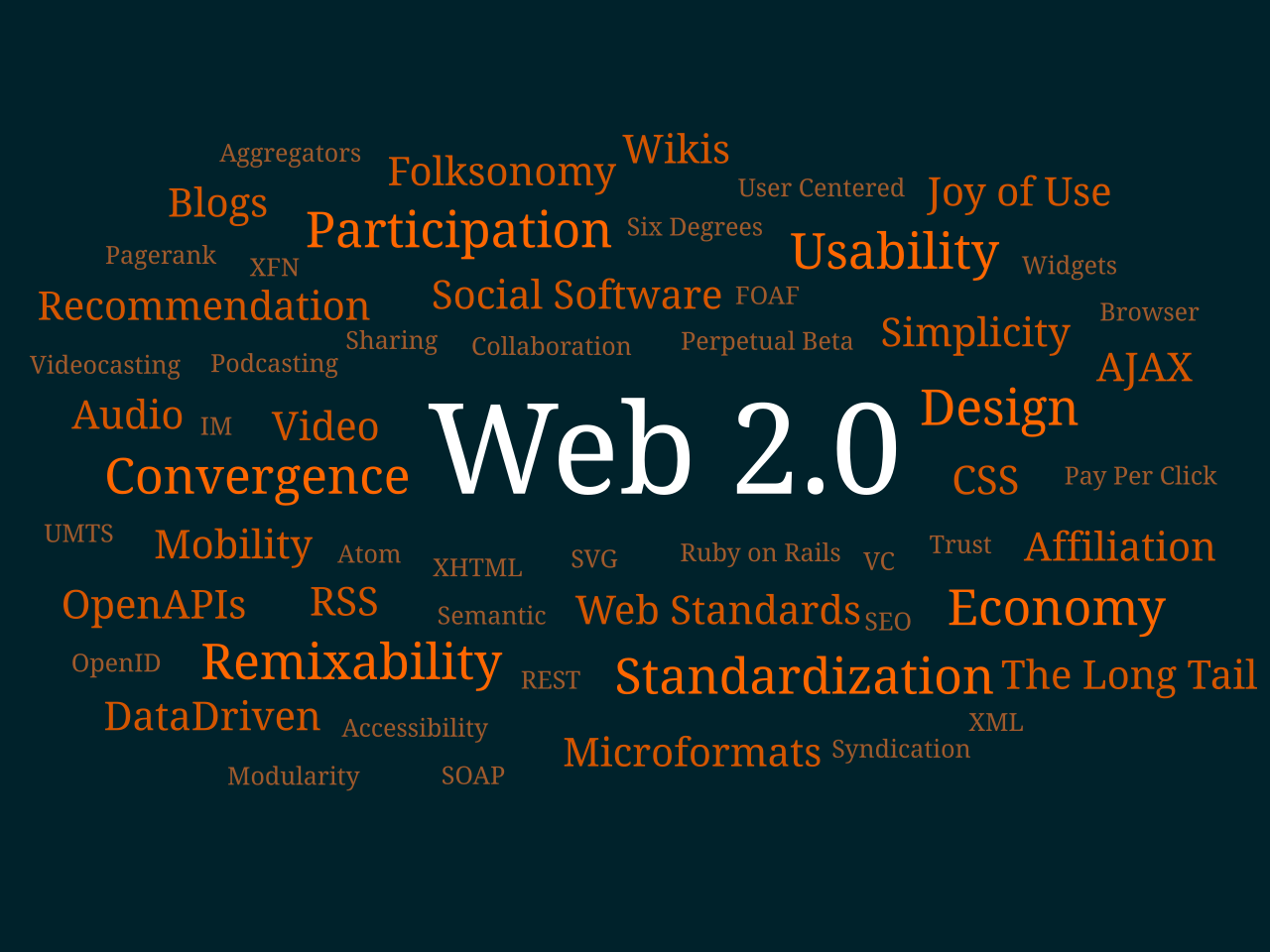
Web 2.0 Facts For Kids
Videos & Quizzesincluded
About this topic
Web 2.0 is the name for the second generation of the internet, which began in the early 2000s! 🌐It made the web more interactive and fun. Instead of just reading information, people can now share and create their own content. Websites became platforms for everyone to connect! Examples include social media, blogs, and wikis. Notable platforms like YouTube and Facebook emerged, allowing us to share videos, pictures, and thoughts easily. Web 2.0 changed how we use the internet, allowing for collaboration and creativity! ✨Can you imagine a world without sharing videos of cute puppies? 🐶
Explore with ChatDinoKey Points
The term "Web 2.0" was popularized by Tim O'Reilly in 2004 during a conference!
Web 2.0 relies on several cool technologies that make it work!
With all this fun on the internet, there are important things to think about: privacy and security!
What’s next for Web 2.0?
Web 2.0 changed how businesses operate!
Imagine the internet as a classroom!
There are many popular websites and apps that have shaped Web 2.0!
Social media platforms, like Instagram and TikTok, allow users to create and share content!
Web 2.0 introduced platforms like Wikipedia, where many people can contribute!
Photos of Web 2.0

Edit box interface through which anyone could edit a Wikipedia article

A list of ways that people can volunteer to improve Mass Effect Wiki on Wikia, an example of content generated by users working collaboratively
🤓 History Of Web 2.0
The term "Web 2.0" was popularized by Tim O'Reilly in 2004 during a conference! 🤓Before this, the internet was mainly used to read static pages—like digital books. The transformation began when websites like MySpace and Flickr allowed users to create profiles and upload photos. 🌍In 2005, YouTube launched, changing how we share videos. By 2007, Facebook became widely used for connecting with friends. This new internet was all about sharing and engaging with others. It was like turning the internet into a giant playground where everyone could have fun! 🌈
Go deeper💻 Key Technologies Of Web 2.0
Web 2.0 relies on several cool technologies that make it work! 💻One important technology is AJAX, which helps websites update information without needing to refresh the whole page. There's also RSS, which lets you follow updates from your favorite blogs. 📝Websites now use HTML5, making videos and animations easier to share! Social networks also use APIs (Application Programming Interfaces) to connect different services. This means that when you like a post on Instagram, it can appear on Facebook too! 🌟These technologies make the web faster and more interactive for everyone.
Go deeper🔐 Privacy And Security Concerns
With all this fun on the internet, there are important things to think about: privacy and security! 🔐Web 2.0 allows us to share lots of personal information, like where we live and what we like. It’s vital to keep this information safe! 💖Young users should always ask parents or guardians before sharing anything online. Platforms may gather our data for advertising, so understanding privacy settings is important too! Always be cautious while chatting and sharing, no matter how fun it is! Your safety online keeps the fun going! 🌟
Go deeper🚀 Future Trends In Web Development
What’s next for Web 2.0? The future is exciting! 🚀We might see more virtual reality (VR) and augmented reality (AR) experiences, which mix the real world with the digital one! Imagine attending online classes in a virtual school! 🏫Artificial intelligence (AI) is also growing, helping personalize your online experiences. 🌈With more mobile devices, people might access the internet anywhere! Smart speakers can help manage tasks too! Just think of all the amazing possibilities! With Web 2.0, we’ll continue exploring and creating new things together! How exciting! 🎉
Go deeper🏢 Impact On Business And E-commerce
Web 2.0 changed how businesses operate! 🏢Companies now use social media to connect with customers, making it easier for people to share feedback. E-commerce platforms like Amazon let you buy things online, and customers can leave reviews, helping others decide what to purchase. 📦Many businesses now use ads targeted at specific groups based on interests! 🌟This means businesses can reach customers more personally. In fact, online shopping has grown significantly, with e-commerce sales reaching over $900 billion in the United States in 2021! That's a lot of shopping! 💰
Go deeper📚 Web 2.0 Vs. Web 1.0: A Comparison
Imagine the internet as a classroom! 📚In Web 1.0 (the first generation), it was like a teacher talking to students. You read information but couldn’t interact! In Web 2.0, it became more like a fun group project where everyone participates! 🎉People can not only read but also write and create content. Web 1.0 was made up of static websites with no updates. Web 2.0 introduced interactive platforms, letting you share photos, videos, and thoughts! This transformation changed learning, playing, and socializing online! Which one sounds more fun to you? 🤔
Go deeper🌍 Notable Web 2.0 Sites And Applications
There are many popular websites and apps that have shaped Web 2.0! 🌍Here are a few:
- Facebook: Connect with friends and share updates! 👫
- YouTube: Watch and share videos on anything from cartoons to tutorials! 📽️
- Twitter: Share short messages called tweets to express yourself! 🐦
- Wikipedia: Everyone can contribute to this huge encyclopedia! 📖
- Instagram: Share photos and discover beautiful images from friends and around the world! 📸
These sites have changed how we connect and learn online! What’s your favorite website? 🤔
Go deeper- Facebook: Connect with friends and share updates! 👫
- YouTube: Watch and share videos on anything from cartoons to tutorials! 📽️
- Twitter: Share short messages called tweets to express yourself! 🐦
- Wikipedia: Everyone can contribute to this huge encyclopedia! 📖
- Instagram: Share photos and discover beautiful images from friends and around the world! 📸
These sites have changed how we connect and learn online! What’s your favorite website? 🤔
📸 Social Media And User-generated Content
Social media platforms, like Instagram and TikTok, allow users to create and share content! 📸This means you can share your artwork, photos, and videos with friends from around the world. 🤗User-generated content is super important in Web 2.0 because it gives everyone a voice! People can express themselves through blogs, memes, and vlogs! The best part? Others can like, share, and comment, creating a chatty community online. This has helped people connect over shared interests, making the internet more vibrant and exciting! 🎉
Go deeper✍️ Collaborative Platforms And Crowdsourcing
Web 2.0 introduced platforms like Wikipedia, where many people can contribute! ✍️ This is called collaborative content. Crowdsourcing means asking the public to help solve problems or create products. For example, in 2008, people helped name a new cruise ship by voting online! 🛳️ Tools like Google Docs allow you to work on school projects with friends, even from different places! This means teamwork can happen from anywhere! 🌍Collaborating online makes learning more fun and encourages everyone to share their ideas!
Go deeper