All Articles

Water Polo

Water Polo Facts For Kids

Water polo is a competitive team sport played in water between two teams of seven players each, involving swimming and teamwork.
🎨 Reading age for 6-8
Background blob
Water Polo
Water Polo
Facts for Kids!
Image by Massimo Finizio, licensed under Creative Commons Attribution-Share Alike 2.0 it

Do more with AI

Introduction

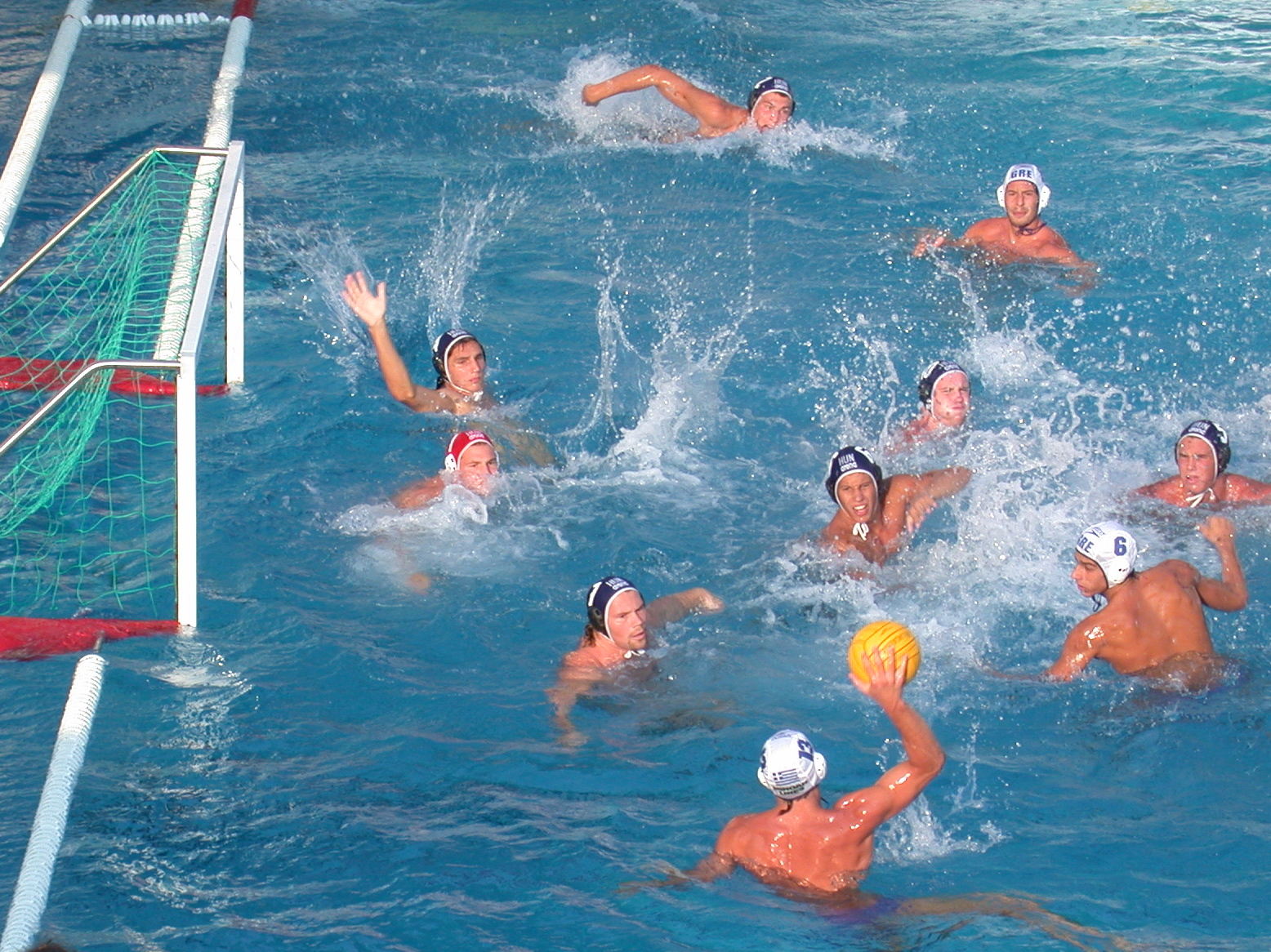
Water polo is an exciting team sport played in a swimming pool! 🏊‍♂️ It involves two teams, each with seven players, who aim to score goals by throwing a ball into the opposing team’s net. The game is played in deep water, which adds to the challenge! A water polo match is divided into four quarters, and each quarter lasts for eight minutes. 🌊Players use swimming skills, teamwork, and strategy to win. It’s a fantastic way to stay active and have fun, combining swimming and ball skills in one thrilling sport!

Images of Water Polo

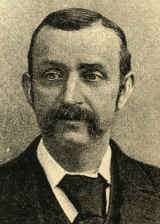
William Wilson, Scottish aquatics pioneer and originator of the first rules of water poloImage by The original uploader was Ryanjo at English Wikipedia ., licensed under Creative Commons Attribution-Share Alike 3.0

William Wilson, Scottish aquatics pioneer and originator of the first rules of water polo

Goalkeeper blocking a shotImage by Juan Fernández, licensed under Creative Commons Attribution-Share Alike 2.0

Goalkeeper blocking a shot

A classic 4–2 man-up situation. The attacking white team has 4 players positioned on 2 metres, and 2 players positioned on 4 metres. The 5 outfield defending blue players try to block shots and prevent a goal being scored for the 20 seconds of man-down play. In the top left corner, the shot clock can be seen, showing 28 seconds remaining in the white attack.Image by Prisonblues at English Wikipedia, licensed under Creative Commons Attribution-Share Alike 3.0

A classic 4–2 man-up situation. The attacking white team has 4 players positioned on 2 metres, and 2 players positioned on 4 metres. The 5 outfield defending blue players try to block shots and prevent a goal being scored for the 20 seconds of man-down play. In the top left corner, the shot clock can be seen, showing 28 seconds remaining in the white attack.

Water polo defense: A defender may only hold, block or pull an opponent who is touching or holding the ball.Image by LauraHale, licensed under Creative Commons Attribution-Share Alike 3.0

Water polo defense: A defender may only hold, block or pull an opponent who is touching or holding the ball.

zelfgemaakte fotoImage by Antiflu at Dutch Wikipedia, licensed under Creative Commons Attribution-Share Alike 3.0

zelfgemaakte foto

I took this photo myself. Ryanjo 01:09, 7 January 2007 (UTC)

I took this photo myself. Ryanjo 01:09, 7 January 2007 (UTC)

Photos of Water PoloImage by Hy Crutchett, licensed under Creative Commons Attribution-Share Alike 2.0
Photos of Water PoloImage by LauraHale, licensed under Creative Commons Attribution-Share Alike 3.0
William Wilson, Scottish aquatics pioneer and originator of the first rules of water poloImage by The original uploader was Ryanjo at English Wikipedia ., licensed under Creative Commons Attribution-Share Alike 3.0

William Wilson, Scottish aquatics pioneer and originator of the first rules of water polo

Goalkeeper blocking a shotImage by Juan Fernández, licensed under Creative Commons Attribution-Share Alike 2.0

Goalkeeper blocking a shot

A classic 4–2 man-up situation. The attacking white team has 4 players positioned on 2 metres, and 2 players positioned on 4 metres. The 5 outfield defending blue players try to block shots and prevent a goal being scored for the 20 seconds of man-down play. In the top left corner, the shot clock can be seen, showing 28 seconds remaining in the white attack.Image by Prisonblues at English Wikipedia, licensed under Creative Commons Attribution-Share Alike 3.0

A classic 4–2 man-up situation. The attacking white team has 4 players positioned on 2 metres, and 2 players positioned on 4 metres. The 5 outfield defending blue players try to block shots and prevent a goal being scored for the 20 seconds of man-down play. In the top left corner, the shot clock can be seen, showing 28 seconds remaining in the white attack.

Water polo defense: A defender may only hold, block or pull an opponent who is touching or holding the ball.Image by LauraHale, licensed under Creative Commons Attribution-Share Alike 3.0

Water polo defense: A defender may only hold, block or pull an opponent who is touching or holding the ball.

zelfgemaakte fotoImage by Antiflu at Dutch Wikipedia, licensed under Creative Commons Attribution-Share Alike 3.0

zelfgemaakte foto

I took this photo myself. Ryanjo 01:09, 7 January 2007 (UTC)

I took this photo myself. Ryanjo 01:09, 7 January 2007 (UTC)

Photos of Water PoloImage by Hy Crutchett, licensed under Creative Commons Attribution-Share Alike 2.0
Photos of Water PoloImage by LauraHale, licensed under Creative Commons Attribution-Share Alike 3.0

Water Polo Equipment

To play water polo, players need specific equipment! 🎽The main item is the water polo ball, which is slightly smaller and heavier than a soccer ball, making it easier to grip with one hand. Players wear a specially designed swimsuit that is snug but flexible. 🩐 Goalkeepers wear caps with a different color to help teams identify them. Each player also has a protective cap with ear guards to prevent injuries during play! In tournaments, refs use whistles to signal fouls, and a scoreboard keeps track of goals! 📊All equipment helps create a safe and fun atmosphere!

History Of Water Polo

Water polo has a rich history that dates back to the late 19th century! 🕰️ The game was first played in England around 1870, where it was called "water rugby." The first official water polo match took place in 1877. By the 1900s, water polo became part of the Olympics, with men’s events starting in 1900 and women’s being introduced in 2000. The sport was created to bring the action of rugby into the water, making it a fast-paced game! Today, water polo is played around the world and continues to grow in popularity! 🌍

Rules And Regulations

Water polo has specific rules to keep the game fair and exciting! Each team has seven players: six field players and one goalkeeper. To score, players must throw the ball into the opposing team’s net! 🚫Players cannot touch the bottom of the pool; they must tread water the whole time! The game begins with a swim-off, and if a foul occurs, the referee can award a free throw. The team with the most goals at the end of the game wins! Players must also respect each other, as rough play can lead to penalties. ⚖️

Techniques And Skills

Water polo requires a mix of swimming skills and ball techniques! 🏊‍♀️ Players must be able to swim fast and change direction quickly. A skill called “eggbeater” is used for treading water efficiently. Players also need to practice passing, shooting, and catching the ball! 🎯A great shot can come from a distance, so having a strong arm is essential! Players learn to move without the ball to create space and score! Teamwork is vital, as players communicate and strategize to outsmart their opponents. The best players are those who practice regularly! 💪

Water Polo Around The World

Water polo is played in many countries across the globe! 🗺️ It's especially popular in Europe, particularly in nations like Hungary, Italy, and Spain. In the USA, water polo thrives in California, where many schools and clubs compete! Australia and Canada also have strong water polo programs. 🌊The sport is growing in countries like Japan and South Africa too! Many international tournaments bring these nations together to showcase their skills and teamwork. Water polo not only encourages competition but also friendship between athletes from different cultures! 🌈

Famous Players In Water Polo

Many amazing water polo players have made a name for themselves! 🏅One of the most famous is Tony Azevedo from the USA, who has played in multiple Olympics! Another great player is Filip Filipović from Serbia, known for his incredible scoring skills! He has won numerous medals for his country! 🌟The Hungarian women's team has seen stars like Zsuzsanna Kónya, who helped lead her team to many victories! These athletes inspire young players around the world to take up the sport and reach for the stars! Keep practicing, and maybe you’ll be famous one day, too! ✨

Positions And Roles In Water Polo

In water polo, each player has a specific role to play! 🥇The main positions are:
1. Goalkeeper (1 player) - The only one who can use two hands to block shots!
2. Center Forward (2 players) - They try to score and protect the ball!
3. Wing Players (2 players) - They play on the sides and help to score goals!
4. Utility Players (2 players) - They are versatile and can play in different positions!
Each player must work together to defend, attack, and outsmart the other team! Teamwork is key! 🙌

Major Competitions And Championships

Water polo has several exciting competitions around the world! 🌏The most famous is the Olympic Games, held every four years. Countries compete for gold, silver, and bronze medals. The FINA Water Polo World Championships also take place every two years, where the best teams from around the globe compete! Countries like Hungary, Italy, and the USA have strong water polo teams! There are also club competitions like the LEN Champions League, which showcases the best club teams in Europe. 🏆These events fill arenas with cheering fans, making water polo a thrilling sport to watch! 🎉

Health Benefits Of Playing Water Polo

Playing water polo can be great for your health! 💪It's an awesome way to stay fit while having fun. Swimming helps build strong muscles and improves cardiovascular health, making your heart healthier! 🫀The sport also boosts teamwork and communication skills, as you must work closely with your teammates to win. Plus, playing water polo burns lots of calories, so it’s a great way to stay active! It helps develop agility, coordination, and balance too. Overall, water polo is not just a sport; it’s a wonderful way to stay healthy and make friends! 🤽‍♀️💖

Water Polo Quiz

Q1
Question 1 of 10

Learn more about Water Polo

Ready to create?

Make

To create a safe space for kid creators worldwide!

Create

Vibe Coding

Kids GPT

All Tools

Kibu

Resources

Worksheets

SafeTube

Blog

FAQ

Account

Pricing

Log-in

Sign-up

Data Deletion

Company

About

Community Guidelines

Privacy Policy

Terms of Service

2025, URSOR LIMITED. All rights reserved. DIY is in no way affiliated with Minecraft™, Mojang, Microsoft, Roblox™ or YouTube. LEGO® is a trademark of the LEGO® Group which does not sponsor, endorse or authorize this website or event. Made with love in San Francisco.