Vulpes Zerda Facts For Kids
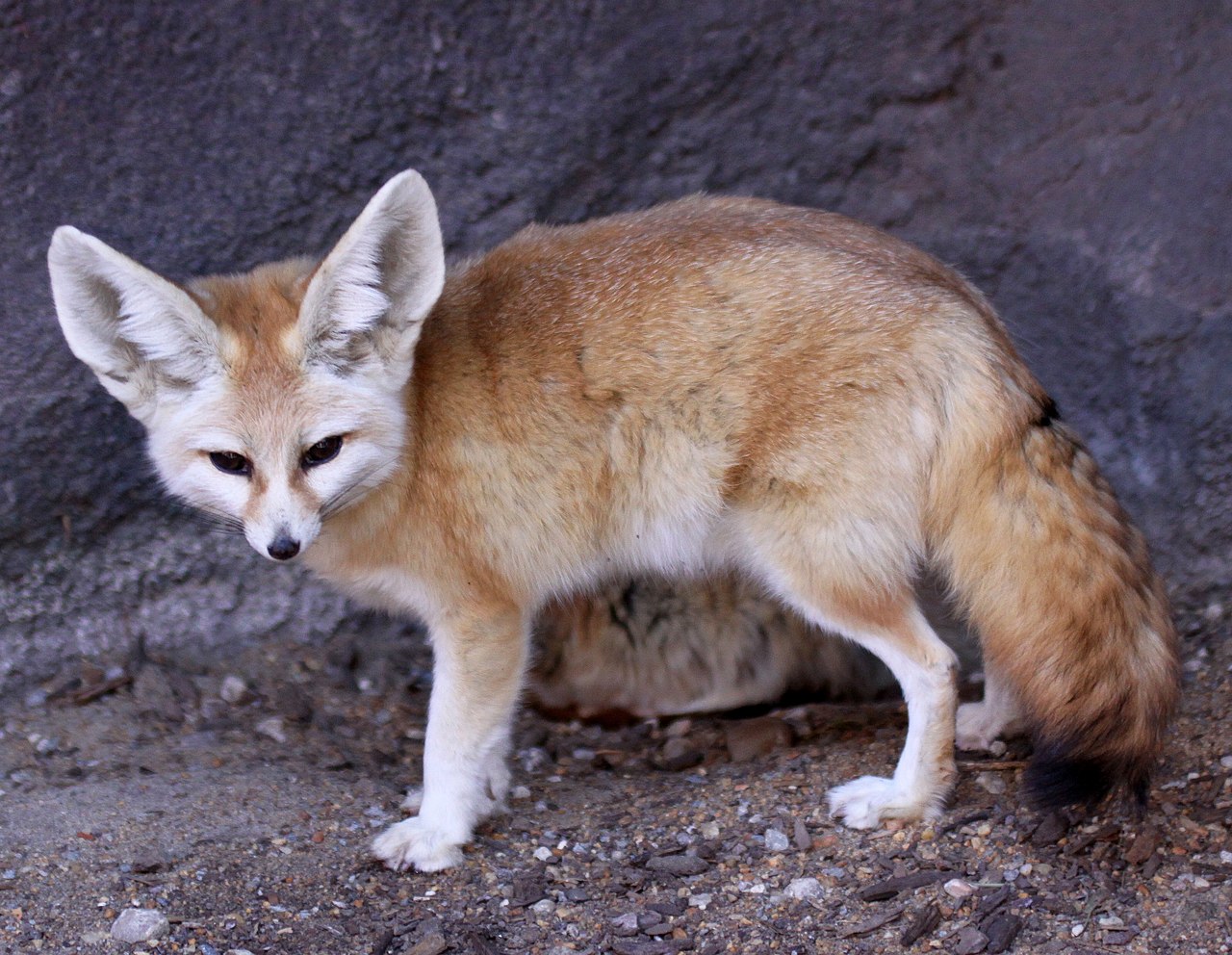
The fennec fox (Vulpes zerda) is a small fox with large ears, native to the deserts of North Africa, thriving in hot environments.
Select reading age
Vulpes Zerda Facts For Kids
Videos & Quizzesincluded
About this topic
The fennec fox, known scientifically as Vulpes zerda, is a small and adorable fox that lives in the hot deserts of North Africa! 🌵They have large ears that help them hear better and keep cool. Fennec foxes are known for their sandy-colored fur, which helps them blend into their environment. They are the smallest fox species in the world, measuring around 9-16 inches long! These little creatures are truly remarkable and can often be found playing with each other in the sand. Their cute appearance and playful nature make them a favorite among desert animals! 🦊
Explore with ChatDinoKey Points
Fennec foxes belong to the Canidae family, which includes many types of canines, like wolves, domestic dogs, and other foxes.
Did you know that fennec foxes can jump really high?
The fennec fox is not currently classified as endangered.
Fennec foxes are not just cute animals; they hold cultural importance in some regions of North Africa!
Fennec foxes are omnivores, which means they eat both plants and animals.
Fennec foxes live in the deserts of North Africa, which include countries like Morocco, Algeria, Libya, and Egypt.
Fennec foxes have some special features that make them very unique!
Fennec foxes typically mate in January or February.
Living in the desert is tough, but fennec foxes have some amazing adaptations to survive!
Fennec foxes are social animals that love to live in family groups!
Photos of Vulpes Zerda

Skull of a fennec fox

An audio speaker emitting sound waves, in the Gnome style

Fennec fox in the Moroccan Sahara

Male fennec fox mounting a female

A drawing of a skulk of fennec foxes by Gustav Mützel, 1876
🐺 Related Species
Fennec foxes belong to the Canidae family, which includes many types of canines, like wolves, domestic dogs, and other foxes. 🐺Some related species include the red fox (Vulpes vulpes), the arctic fox (Vulpes lagopus), and the gray fox (Urocyon cinereoargenteus). Each of these species has unique adaptations to their habitats, whether it's the snowy tundras for arctic foxes or woodlands for gray foxes. Together, they make up a diverse and fascinating group of animals! 🌳
Go deeper🦘 Interesting Facts
Did you know that fennec foxes can jump really high? 🦘They can jump up to 3 feet in the air! Also, they have a unique way of staying cool – they dig shallow burrows in the sand to escape the sun. Their scientific name, Vulpes zerda, comes from the Latin word "Vulpes," meaning fox, and “zerda” refers to their desert environment. Fennec foxes are often called "sand foxes" because of where they live. 🌾These fascinating little animals teach us how to thrive in the toughest conditions.
Go deeper😊 Conservation Status
The fennec fox is not currently classified as endangered. 😊However, it's very important to protect their natural habitat, as deserts are threatened by human activities. They face challenges like habitat destruction due to agriculture and tourist developments. Organizations are working to ensure their environments remain safe. By supporting conservation efforts and learning more about these incredible creatures, we can help keep fennec foxes thriving in their natural homes for years to come! 🌍❤️
Go deeper🕌 Cultural Significance
Fennec foxes are not just cute animals; they hold cultural importance in some regions of North Africa! 🕌In some traditions, these foxes symbolize cleverness and adaptability. They are also popular in cartoons and children's stories due to their charming looks and playful nature. Additionally, the fennec fox is a national symbol in some areas, highlighting its significance to local wildlife. These adorable creatures remind us of the beauty of nature and the importance of protecting wildlife! 🌟
Go deeper🌱 Diet And Feeding Habits
Fennec foxes are omnivores, which means they eat both plants and animals. 🌱🐜 Their diet mainly consists of insects, small rodents, and even fruits! They have a great sense of smell that helps them find food buried under the sand. With their big ears, they can hear tiny sounds from far away, making them excellent hunters. Fennec foxes can go for long periods without drinking water because they get enough moisture from the food they eat, just like how camels do! 🌵They’re resourceful little creatures!
Go deeper🌍 Habitat And Distribution
Fennec foxes live in the deserts of North Africa, which include countries like Morocco, Algeria, Libya, and Egypt. 🌍They are found in areas with lots of sand, dunes, and few plants. Their homes are often in underground burrows that they dig with their sharp claws. These burrows can be quite deep, allowing them to escape the desert heat during the day. Fennec foxes are most active at night when the temperatures cool down. 📅So, if you ever visit the Sahara Desert, keep an eye out for these little desert foxes under the stars!
Go deeper✨ Physical Characteristics
Fennec foxes have some special features that make them very unique! ✨Their most noticeable trait is their huge ears, which can be as big as 6 inches long! These ears don't just help them hear better; they also help them stay cool in the scorching desert heat. Their fur is soft and light-colored, allowing them to camouflage against the sandy ground. They have short legs and a bushy tail that helps them maintain balance. Fennec foxes weigh about 2 to 3.5 pounds, making them very light! With cute faces and expressive eyes, they are truly enchanting! 🥰
Go deeper❤️ Reproduction And Lifespan
Fennec foxes typically mate in January or February. ❤️ After a pregnancy lasting around 50-52 days, the female gives birth to a litter of 2 to 5 adorable kits! The kits are born blind and helpless, relying on their parents for care. 🦊The whole family works together to raise the little ones. Fennec foxes can live up to 10-14 years in the wild, but in captivity, they can live even longer! Their caring family structure helps them grow strong and healthy, preparing them for life in the desert. 🌼
Go deeper🏜️ Adaptations To Desert Life
Living in the desert is tough, but fennec foxes have some amazing adaptations to survive! 🏜️ Their large ears help them hear prey from far away, and they can also cool down their body temperature. Their furry feet protect them from the hot sand, and their light fur reflects the sun's rays. Fennec foxes are also great at conserving water. They can go without water for many days and get moisture from their food. These cool adaptations make them perfectly suited for life in one of the hottest places on Earth! 🌞
Go deeper👨👩👧👦 Behavior And Social Structure
Fennec foxes are social animals that love to live in family groups! 👨👩👧👦 Each group can consist of about ten individuals. They communicate with each other through different sounds, like barks and whines. These foxes are very playful and often engage in games, such as chasing and wrestling. They mark their territory using scent to let other foxes know that this area is theirs. Fennec foxes are also known for their strong bonds with each other, often grooming and cuddling together to stay warm in the chilly desert nights! 🌙
Go deeper