Vihuela Mexicana Facts For Kids
The vihuela mexicana is a five-stringed instrument closely related to the guitar and integral to traditional Mexican music.
Select reading age

Vihuela Mexicana Facts For Kids
Videos & Quizzesincluded
About this topic
The vihuela mexicana is a beautiful musical instrument from Mexico! 🌎It looks a bit like a guitar but has a smaller body and a rounder shape. It usually has five pairs of strings, making it very special in its sound. The vihuela is often used in traditional Mexican music, especially in mariachi bands. 🎶When you hear this instrument, you might feel like dancing or singing along! It helps to create joyful tunes that fill the air with happiness. The vihuela is important in Mexican culture and helps tell stories through music. 🎉
Explore with ChatDinoKey Points
The vihuela mexicana has a rich history that dates back to the 16th century!
There are famous vihuelistas, or vihuela players, who have made history with their amazing talent!
The vihuela mexicana holds a special place in Mexican culture!
The vihuela mexicana is made of several different materials that make it sound amazing!
The vihuela mexicana has a wide range of songs and compositions that make it exciting to play!
Today, the vihuela mexicana is experiencing a revival!
Playing the vihuela mexicana involves various musical techniques that make it fun to perform!
The vihuela mexicana is often compared to other string instruments like the guitar and lute.
Photos of Vihuela Mexicana
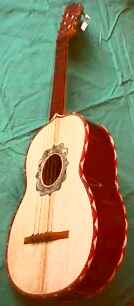
Side view showing the vaulted back
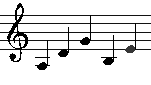
Vihuela Mexicana tuning
📜 History And Origins
The vihuela mexicana has a rich history that dates back to the 16th century! 📜It came from Spain and became popular in Mexico, especially as Spanish settlers arrived. Over time, it mixed with local musical styles, creating its unique sound! The vihuela has roots in the Renaissance era, which means it is over 400 years old! 🎉The name "vihuela" comes from the Spanish word for stringed instruments, and it’s still loved in many traditional folk songs today. Famous composers even wrote music for it! So, every time you hear a vihuela, you're listening to a piece of history! 🎵
Go deeper🎤 Notable Vihuelistas
There are famous vihuelistas, or vihuela players, who have made history with their amazing talent! 🎤One well-known vihuelista is Mariachi Vargas de Tecalitlán, a group that started in 1898! They are famous for playing fast and lively tunes that make everyone want to dance! 💃Another talented vihuelista is Jorge Reyes, who blends modern styles with traditional music, making new fans of the vihuela! 🎶These musicians have helped showcase the beauty of the vihuela to audiences around the world, making them cultural heroes! 🌍
Go deeper🎊 Cultural Significance
The vihuela mexicana holds a special place in Mexican culture! 🇲🇽 It's not just an instrument; it's a symbol of tradition and joy. People play it during celebrations like weddings, birthdays, and festivals. 🎊It helps tell stories of love, friendship, and bravery through music. The vihuela has helped maintain traditional music styles over time, keeping the culture alive! Many young musicians are learning to play it, ensuring that the joy of the vihuela continues for future generations. 🌱By listening to and playing the vihuela, we keep our traditions strong and vibrant! 🌈
Go deeper🎸 Construction And Materials
The vihuela mexicana is made of several different materials that make it sound amazing! 🎸The body is usually made of wood like cedar or mahogany, which gives it a warm tone. Some vihuelas have beautiful decorations carved into them! It typically has a flat back and a round belly, which helps amplify the sound. 🎶The strings are usually made from nylon or gut, which can be either smooth or textured for different sounds. Its long neck has frets that are spaced evenly, helping musicians play different notes easily. All these parts work together to create the unique and lovely sounds of the vihuela! 🌟
Go deeper🎵 Repertoire And Compositions
The vihuela mexicana has a wide range of songs and compositions that make it exciting to play! 🎵Some popular songs include "La Bamba" and "Cien Años," which make everyone want to sing and dance! 🎉Musicians also compose their own pieces, mixing traditional styles with new ideas to create fresh sounds! 🎹The repertoire includes joyful and romantic tunes that tell stories or celebrate special occasions. Many music teachers are now teaching children how to play these songs, spreading the love for vihuela music to all ages! 📚🎶
Go deeper🎊 Modern Revival And Influence
Today, the vihuela mexicana is experiencing a revival! 🎊Many young musicians are rediscovering this lovely instrument and sharing its beauty with the world! 🎶New genres, like rock and pop, are using the vihuela, creating fresh and exciting music! 🎸Popular artists in Mexico often incorporate the vihuela in their songs, connecting traditional and modern sounds. This movement helps younger generations appreciate their cultural roots while enjoying trending music. So, whether in a mariachi band or a rock concert, the vihuela is making a big comeback! 🌟🚀
Go deeper🎤 Musical Techniques And Styles
Playing the vihuela mexicana involves various musical techniques that make it fun to perform! 🎤Musicians often use strumming and plucking, creating rhythm and melody. A technique called "tremolo" makes rapid back-and-forth movements with the fingers, making the music lively! 🎶The vihuela is often used in folk music styles like son jarocho and mariachi, where musicians play in groups and share joyful experiences. ⛵The vihuela’s lively sound is always part of celebrations, helping to bring communities together to dance and sing! 💃🎉
Go deeper🎸 Comparative Analysis With Other Instruments
The vihuela mexicana is often compared to other string instruments like the guitar and lute. 🎸While all three belong to the same family, they have unique differences! For instance, the vihuela usually has a rounded body, while guitars are more flat. The number of strings is different too! 🎶Guitars typically have six strings, while the vihuela has five pairs, making a total of ten strings! Some people say that the vihuela’s sound is brighter! 🌞These differences show how diverse and interesting string instruments can be, each with its own history and sound! 🎵
Go deeper