Viburnum Opulus Facts For Kids
Viburnum opulus, or guelder-rose, is a flowering plant native to Europe and Asia, known for its white flowers and red berries.
Select reading age

Viburnum Opulus Facts For Kids
Videos & Quizzesincluded
About this topic
Viburnum opulus, also known as the guelder-rose, is a beautiful flowering plant 🌸 that belongs to the Adoxaceae family. This plant is commonly found in Europe, Asia, and North America. It grows to about 8 to 15 feet tall and has eye-catching white flowers that appear in spring and summer. They are followed by bright red berries 🍓 in the fall, which attract birds! Many people also love viburnum for its amazing scent and beautiful leaves that can turn red in autumn. Isn’t it lovely to see flowers and berries at different times of the year?
Explore with ChatDinoKey Points
Like many plants, the guelder-rose can face some pesky problems!
The guelder-rose is a superstar in landscaping!
If you want to grow your own guelder-rose, it’s pretty simple!
The guelder-rose is a fantastic plant!
Viburnum opulus has a rich history in different cultures!
Viburnum opulus plays a crucial role in the environment!
There are many wonderful varieties of Viburnum opulus!
Viburnum opulus loves to grow in cool places!
Viburnum opulus is classified in the plant kingdom, which includes all the woody and leafy plants 🌳 that you see around you.
Photos of Viburnum Opulus

Viburnum Opulus — photo 1

Viburnum Opulus — photo 2
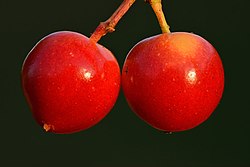
Viburnum Opulus — photo 3


![V. opulus depicted on the flag of the president of Ukraine[citation needed]](https://upload.wikimedia.org/wikipedia/commons/thumb/8/8d/Flag_of_the_President_of_Ukraine.svg/330px-Flag_of_the_President_of_Ukraine.svg.png)
V. opulus depicted on the flag of the president of Ukraine[citation needed]
🐛 Pests And Diseases
Like many plants, the guelder-rose can face some pesky problems! 🐛Common pests include aphids and spider mites, which can munch on the leaves. But don’t worry! You can keep them away by using natural insect sprays or attracting ladybugs. 🐞Additionally, diseases such as powdery mildew and root rot may occur. In case of any issues, it’s essential to maintain good air circulation around the plant and avoid overwatering. Taking care of these problems early can help your guelder-rose grow strong and healthy! 🌿
Go deeper🌟 Uses In Landscaping
The guelder-rose is a superstar in landscaping! 🌟People love using it as a decorative plant in gardens, parks, and streets. Its beautiful flowers can bring color to any landscape. The berries attract birds, making it a perfect choice for wildlife gardens 🦜. It can also be used as a natural hedge or border. The foliage can provide shade and shelter for smaller animals. Plus, it has a lovely aroma that makes your garden smell wonderful! 🍃So, if you want a plant that looks and smells good, the guelder-rose is a fantastic pick!
Go deeper🌱 Cultivation And Care
If you want to grow your own guelder-rose, it’s pretty simple! 🌱First, plant it in a spot that gets some sunlight, or a mix of sun and shade. Make sure the soil is moist but well-drained. Water it regularly, especially during dry spells! 💧It’s good to prune your viburnum in early spring, so it stays healthy and grows lots of flowers. This plant can be easily grown from seeds or cuttings. Plus, it does well in gardens and parks. Just be patient, and soon you’ll enjoy its flowers and berries!
Go deeper🌿 Physical Description
The guelder-rose is a fantastic plant! 🌿Its leaves are dark green, oval, and have a pointed tip. The flowers are in a round, flat shape, looking like fluffy snowballs! ❄️ They bloom from May to June and can be pure white or slightly pink. In fall, the berries change from green to bright red, making them look super inviting! These berries can be about 0.3 inches in diameter, perfect for little birds to munch on! 😊The bark of the guelder-rose is smooth and light brown. Isn’t it cool how plants have different parts that help them look amazing?
Go deeper🌍 Cultural Significance
Viburnum opulus has a rich history in different cultures! 🌍In some parts of Europe, it is known as the "guelder rose" because of its beautiful, rose-like flowers. People have used its berries to make juice and jams! 🍓In folklore, this plant symbolizes love and protection. Additionally, in Ukraine, it holds cultural importance and is often featured in songs and art. The guelder-rose has been celebrated for its beauty and usefulness throughout history, connecting people with nature in a unique way. Isn’t it wonderful how plants can tell stories? 📖🌿
Go deeper🌏 Ecological Importance
Viburnum opulus plays a crucial role in the environment! 🌏The flowers attract pollinators, like bees and butterflies, which help many plants grow. The vibrant red berries are a food source for birds, like robins and thrushes, especially during the winter months when food is scarce. 🍂Also, the guelder-rose provides shelter for small animals, like rabbits and squirrels, helping them stay safe from predators! 🐇By having guelder-roses in gardens and parks, we help support these creatures and contribute to a healthy ecosystem. Isn’t nature amazing?
Go deeper🌼 Varieties And Cultivars
There are many wonderful varieties of Viburnum opulus! 🌼Some popular cultivars include "Roseum," which has big, fluffy white flowers. Another favorite is "Nana," a dwarf type that only grows about 3 to 4 feet tall, perfect for small gardens! 🌳"Compactum" is another great choice, known for its dense growth and beautiful fall colors. Each variety has its own unique charm, but they all share that lovely flower and berry feature. 🌺Explore and find the perfect one for your garden!
Go deeper🌳 Habitat And Distribution
Viburnum opulus loves to grow in cool places! 🌳You'll find it in woodlands, along riverbanks, and in gardens across Europe, Asia, and parts of North America. It prefers wet, well-drained soil and likes areas that get some sunlight ☀️ but also some shade. In North America, you can see guelder-rose plants in places like Canada and the northeastern United States. These plants enjoy living in areas with rich greenery, where they can attract bees 🐝 and butterflies with their pretty flowers, helping the environment thrive!
Go deeper🌳 Taxonomy And Classification
Viburnum opulus is classified in the plant kingdom, which includes all the woody and leafy plants 🌳 that you see around you. Scientists place it in the family Adoxaceae, which includes other similar plants. Here’s how it breaks down:
- Kingdom: Plantae (plants!)
- Division: Angiosperms (flowering plants)
- Class: Eudicots
- Order: Dipsacales
- Family: Adoxaceae
- Genus: Viburnum
- Species: opulus
This means that guelder-rose is related to other viburnum plants, which also have showy flowers and delicious berries! 🍇
Go deeper- Kingdom: Plantae (plants!)
- Division: Angiosperms (flowering plants)
- Class: Eudicots
- Order: Dipsacales
- Family: Adoxaceae
- Genus: Viburnum
- Species: opulus
This means that guelder-rose is related to other viburnum plants, which also have showy flowers and delicious berries! 🍇