Veterinary Medicine Facts For Kids
Veterinary medicine is the branch of medicine focused on keeping non-human animals safe and healthy by preventing, diagnosing, and treating diseases.
Select reading age
Veterinary Medicine Facts For Kids
Videos & Quizzesincluded
About this topic
Veterinary medicine is a special field that helps animals stay healthy! 🐶🐱 Just like doctors take care of people, veterinarians (or vets) take care of pets, farm animals, and even wildlife! Vets help animals when they are sick, injured, or need a check-up to make sure they are okay. They learn about different animals and how to treat them. Vets can work in many places, from animal hospitals to farms, and even in zoos! So if you love animals and want to help them, being a vet might be a great job for you! 🌟
Explore with ChatDinoKey Points
The history of veterinary medicine goes back a long time!
The future of veterinary medicine is bright and full of possibilities!
To become a veterinarian, you'll need a lot of education!
Vets can specialize in different areas of veterinary medicine!
Veterinary medicine is always changing thanks to new technology!
Animals can get sick just like people do!
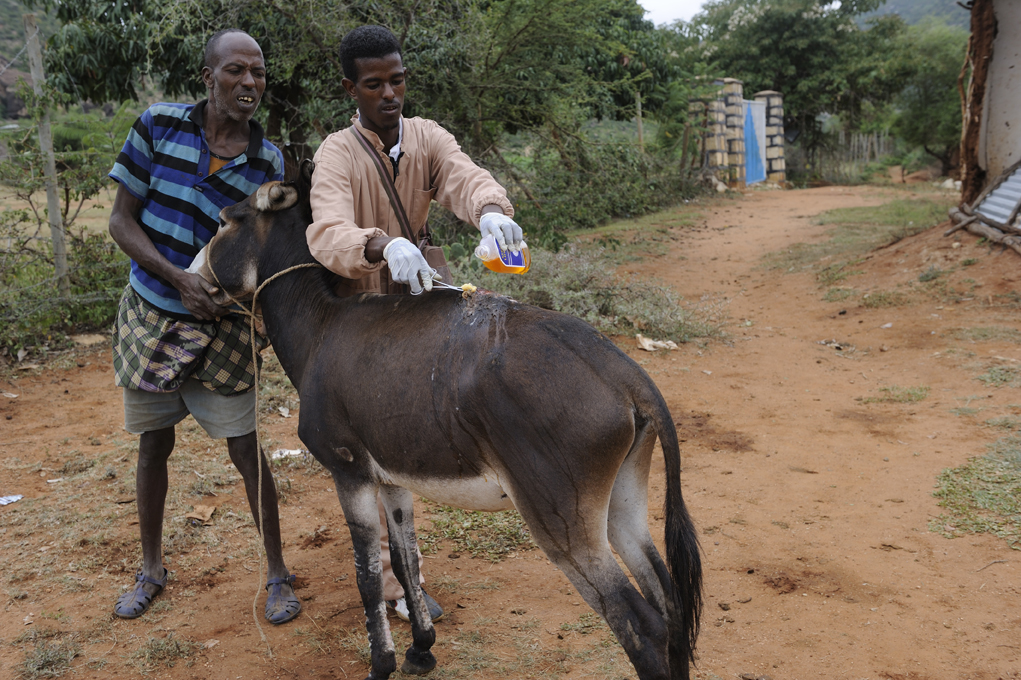
Vets do more than treat pets!
Veterinary medicine is important around the world, and different cultures have their own ways of caring for animals.
Animal welfare means caring for animals and making sure they are treated well.
Sometimes, animals need help fast!
Photos of Veterinary Medicine

Fragments of the Kahun Papyrus on veterinary medicine, early second millennium BCE

Manuscript page of Hippiatrica (14th century)

Page from an 18th-century manuscript of Shalihotra Samhita, showing an eye operation on a horse

Claude Bourgelat established the earliest veterinary school in Lyon in 1762.

Surgery on a dog

US and South African army veterinary technicians prepare a dog for spaying.

An eye examination of a kitten is underway prior to the kitten's adoption.
🕰️ History Of Veterinary Medicine
The history of veterinary medicine goes back a long time! 🕰️ The first recorded veterinarian was a man named Ashurbanipal in ancient Assyria, around 4000 years ago! In those days, they treated horses and farm animals. Fast forward to the 18th century, and the first veterinary school opened in Lyon, France, in 1761. 🏫This school taught people how to become veterinarians. As time passed, veterinary medicine grew, and vets began to learn more about animal diseases and treatments. Today, vets use advanced tools and knowledge to care for animals all over the world! 🌍
Go deeper🌈 The Future Of Veterinary Medicine
The future of veterinary medicine is bright and full of possibilities! 🌈New advancements in science and technology are making it easier to understand animal health. Genetic testing can help predict diseases in pets, and telemedicine is allowing vets to meet with pet owners online. 🌐As we learn more about animal behavior and well-being, we can find better ways to care for our friends. Training for vets is improving, too, with more focus on kindness and ethical treatments. As the world changes, veterinary medicine will continue to evolve, ensuring a happy and healthy life for all animals! 🐾✨
Go deeper📚 Veterinary Education And Training
To become a veterinarian, you'll need a lot of education! 📚After high school, future vets usually go to college for about four years to learn about science and biology. Then, they must attend a veterinary school for another four years. 🏫During this time, they study animal anatomy, diseases, and surgical techniques. After school, they also need hands-on training, working with animals under the guidance of experienced vets. Once they complete their training, they must pass a special test to practice medicine. It takes hard work and dedication, but the reward of helping animals is worth it! 🐾
Go deeper🐾 Types Of Veterinary Specializations
Vets can specialize in different areas of veterinary medicine! 🐾Some vets focus on pets like cats and dogs, while others work with farm animals like cows, goats, and pigs. There are even vets who care for exotic animals like reptiles and birds! 🦜🔍 Some vets become surgeons, performing operations to help animals heal. Others study animal behavior or work in laboratories to research diseases. There are also vets who help animals used in research. With so many specializations, there’s always a need for caring veterinarians in various fields of animal health! 🌈
Go deeper🚀 Advancements In Veterinary Technology
Veterinary medicine is always changing thanks to new technology! 🚀Vets now use special tools like ultrasound machines and X-rays to see inside animals' bodies without surgery. 🩻They can also use computers to keep track of health records, helping them make faster diagnoses. New inventions like laser surgery and 3D printing are becoming popular in veterinary clinics! 🛠️ Technology helps vets help animals with precision and care. With these advancements, pets can receive better treatments and recover faster, making it an exciting time to be a veterinarian! 🌟
Go deeper🦠 Common Animal Diseases And Treatments
Animals can get sick just like people do! 🦠Some common diseases include parvovirus in dogs and feline leukemia in cats. 🐕🐈 To treat these diseases, vets may give vaccines to keep animals safe and healthy. Sometimes, they need to prescribe medications or even perform surgeries! For example, if a pet has a broken leg, a vet can fix it with surgery. 🥼Vets also help prevent diseases through regular check-ups and good advice about nutrition and exercise. By catching problems early, vets keep our furry friends happy and active! 🥳
Go deeper🏥 Roles Of Veterinarians In Public Health
Vets do more than treat pets! 🏥They play an important role in public health, too! For example, they help keep zoonotic diseases, or diseases that can spread from animals to people, under control. 🦠This includes diseases like rabies and salmonella! Vets also help monitor food safety by checking farm animals for health issues before they reach our dinner plates. 🍗They educate pet owners on keeping their pets healthy and vaccinations to prevent the spread of disease. By working with doctors and the community, vets help keep everyone safe, including humans and animals! 🤝
Go deeper🌍 Veterinary Medicine In Different Cultures
Veterinary medicine is important around the world, and different cultures have their own ways of caring for animals. 🌍In India, for example, many people see cows as sacred and treat them with great respect. 🐄In China, traditional practices are often blended with modern veterinary medicine. Different countries have unique animal care practices based on their customs and the types of animals they have. No matter where you go, the love and care for animals help people connect and learn about the world around them! 🤗
Go deeper💖 Animal Welfare And Ethics In Veterinary Practice
Animal welfare means caring for animals and making sure they are treated well. 💖Vets are guided by ethics, which means they follow rules about how to treat animals with kindness and respect. They believe in making sure all animals can live good lives. For example, vets help pets find loving homes and support wildlife conservation. 🦁🌳 They also stand against animal cruelty and work hard to save animals from dangerous situations. This means that when a vet treats an animal, they're not just helping the animal but also making the world a better place for all living creatures! 🌟
Go deeper🚨 Emergency And Critical Care In Veterinary Medicine
Sometimes, animals need help fast! 🚨Emergency veterinarians are specially trained to handle urgent situations, like accidents or severe illnesses. 🐾They work in animal hospitals, ready to treat pets 24/7. When a pet comes in with an emergency, the team checks the animal’s condition and decides the best way to help; it could be surgery or medication. Quick actions can save a pet's life! Vets also help during disasters, like wildfires, to rescue and care for animals in danger. 💖Knowing there are dedicated vets ready to help makes a big difference for our furry friends!
Go deeper