Verbena Facts For Kids
Verbena, also known as vervain, is a diverse genus of flowering plants in the Verbenaceae family, cherished for their vibrant colors and ecological benefits.
Select reading age
Verbena Facts For Kids
Videos & Quizzesincluded
About this topic
Verbena (pronounced ver-BEE-nuh) is a beautiful flowering plant 🌼 that belongs to the Verbenaceae family! There are about 250 different types of verbena found around the world! These plants have small clusters of tiny flowers that can be pink, purple, blue, or white. They usually bloom in the summer, making gardens look vibrant and colorful! 🌞Not only do these flowers attract butterflies and bees 🦋, but they also smell lovely! Verbena thrives in sunny areas and can be found in gardens, parks, and even in the wild!
Explore with ChatDinoKey Points
In the past, people used verbena for its potential health benefits!
There are many types of verbena!
Like any plant, verbena can face some pesky problems!
Most types of verbena are not endangered and are relatively easy to find in gardens and nature!
If you want to grow more verbena, you can do it in a few ways!
Verbena has been a part of various cultures for centuries!
Verbena can be found all over the world!
Growing verbena in your garden can be easy and fun!
Verbena belongs to a group known as the "Angiosperms," which are plants that produce flowers and seeds.
Photos of Verbena

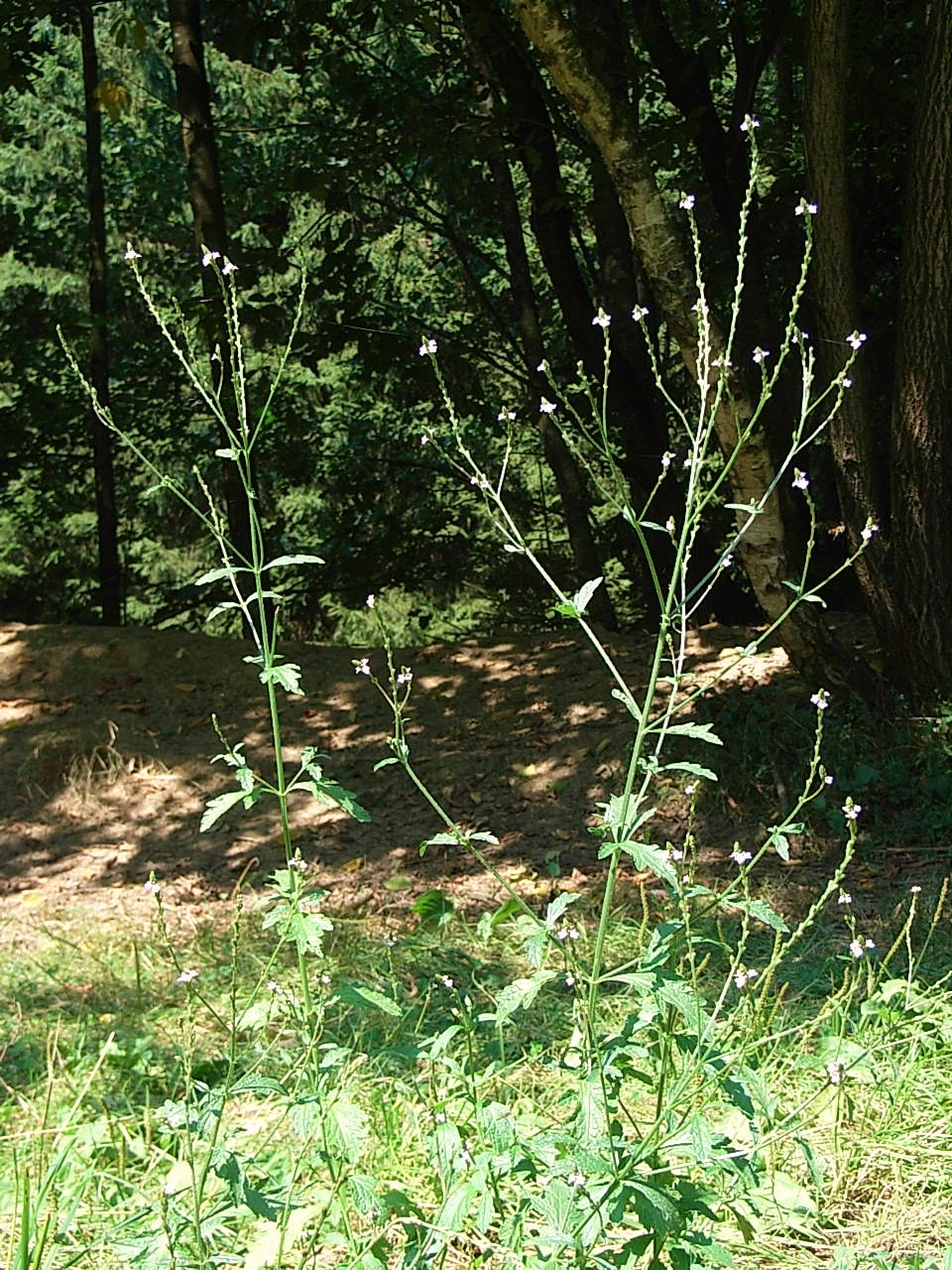
Verbena — photo 1

Botanical illustration of common vervain (V. officinalis) from Deutschlands Flora in Abbildungen by Johann Georg Sturm and Jacob Sturm, 1796

Purpletop vervain (V. bonariensis) as an ornamental plant

Verbena — photo 4

Verbena — photo 5

Verbena — photo 6


Verbena — photo 8
🌱 Medicinal Uses
In the past, people used verbena for its potential health benefits! 🌱Verbena officinalis, or common vervain, was believed to help with headaches, reduce stress, and aid digestion. People would make teas 🍵 or infusions from the leaves and flowers to enjoy its calming effects. However, we should remember that just because something is natural doesn't mean it’s safe for everyone. Always ask an adult or a doctor before trying herbal remedies! It’s always fun to explore nature’s treasures but also important to be careful! 🌼
Go deeper🌸 Types Of Verbena
There are many types of verbena! Some popular kinds include 🌸 Verbena bonariensis, which grows tall and loves the sunshine, and Verbena hastata, known for its purple flowers. Each type has its own special features. The glossy leaves of Verbena rigida can be used to make a refreshing tea! 🍵Another exciting type is the Verbena canadensis, or the Canadian verbena, which can spread easily in gardens. 🌿Whether they are low-growing or tall, each type adds beauty to gardens and attracts friendly insects!
Go deeper😱 Pests And Diseases
Like any plant, verbena can face some pesky problems! 😱Aphids, tiny green insects, love to munch on verbena leaves and can cause damage. 🦗Fungal diseases like powdery mildew can also appear if the plants get too wet. To keep verbena healthy, it's important to check them regularly. If you see bugs, try washing them off with water or using insecticidal soap with help from an adult! 🌧️ Proper air circulation and avoiding overcrowding can prevent diseases too. Taking care of your plants makes gardening even more enjoyable!
Go deeper🌍 Conservation Status
Most types of verbena are not endangered and are relatively easy to find in gardens and nature! 🌍However, some rare species might need protection due to habitat loss or pollution. It's always good to learn about which plants are in danger! 🌿For example, Verbena has been cultivated for so long that some wild populations may be struggling. By planting verbena in your garden, you can help support healthy ecosystems! Educating others about plants and their environments is also a crucial step in preserving nature! 🌱
Go deeper🌱 Propagation Methods
If you want to grow more verbena, you can do it in a few ways! 🌱One popular method is through seeds. You can plant them in spring after the last frost has passed. If you already have a verbena plant, you can also take cuttings from its stems and place them in water until they root. This way, you can create new plants! 🌿Another method is by dividing existing plants, as they spread and grow over time. Bumping up your garden with verbena can be rewarding and adds loads of color! 🌼
Go deeper🌸 Cultural Significance
Verbena has been a part of various cultures for centuries! 🌸Ancient Romans believed vervain could protect them, and people often grew it for its beauty and magical properties. In some traditions, verbena is known as the "herb of love," and people use it in special ceremonies. 🌷In modern times, it is still celebrated, often included in gardens and floral arrangements. Many artists and writers have been inspired by its beauty, creating lovely works to honor these charming plants! Verbena reminds us to appreciate nature and its many wonders! 🌼
Go deeper🌍 Habitat And Distribution
Verbena can be found all over the world! 🌍They prefer warm climates and can thrive in places like North America, South America, and Europe. For instance, Verbena officinalis is often found in Europe and Northern Africa. 🌞These plants love sunny areas and can flourish in gardens, meadows, and even along roadsides! They also like well-drained soil, which helps them grow strong and healthy. Farmers and gardeners often plant verbena in their fields and yards because they add color and attract helpful pollinators! 🐝
Go deeper🌻 Gardening And Horticulture
Growing verbena in your garden can be easy and fun! 🌻They prefer sunny spots and well-drained soil, making them great for flower beds and containers. Before planting, make sure to water the seeds or plants properly! Verbena likes a little space to spread out, so give them about 12-18 inches between each plant. 🌼You can also cut the flowers off to encourage new blooms! Regular watering, especially in dry weather, helps them grow strong. For extra fun, you can attract butterflies and bees to your garden while enjoying the lovely smells! 🦋
Go deeper🌱 Taxonomy And Classification
Verbena belongs to a group known as the "Angiosperms," which are plants that produce flowers and seeds. 🌱Its scientific name is "Verbena," and it's in the Verbenaceae family. The genus Verbena is divided into many species, such as Verbena bonariensis, which is tall with purple flowers, or Verbena officinalis, known as common vervain. 🌼Each species has unique characteristics, and scientists study them to understand how they grow differently! Verbena plants are herbaceous, meaning they have soft stems and die back in winter, regrowing in spring.
Go deeper