Vatnajökull Facts For Kids
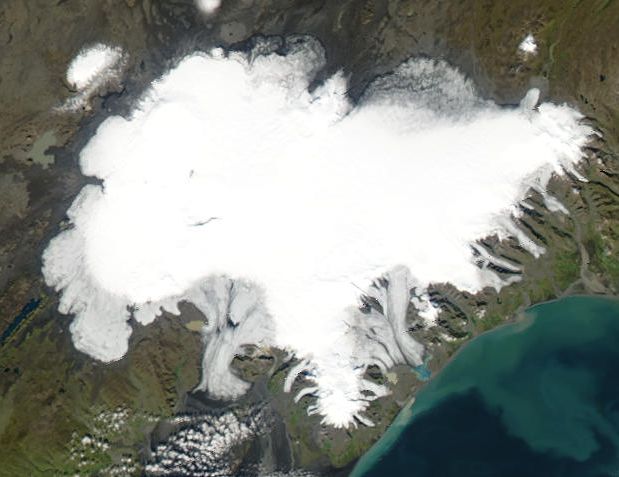
Vatnajökull is the largest ice cap in Iceland and the second largest in Europe, located in the southeastern part of the country and protected within Vatnajökull National Park.
Select reading age
Vatnajökull Facts For Kids
Videos & Quizzesincluded
About this topic
Vatnajökull, pronounced "vat-na-yoh-kul," is an enormous ice cap in Iceland! 🧊It is the largest ice cap in Iceland and the second largest in Europe, next to Severny Island in Russia. Vatnajökull covers a massive area of about 8,100 square kilometers (3,100 square miles) and is up to 1,000 meters (3,280 feet) thick! 🌍Below this ice, there are many hidden wonders like rivers, lakes, and rivers of lava. Vatnajökull is also home to some amazing volcanoes! Iceland is known for its unique landscapes, and Vatnajökull is a big reason why! 🏔️
Explore with ChatDinoKey Points
Even though it’s icy, Vatnajökull has some amazing plants and animals!
Glaciers like those in Vatnajökull move slowly like giant rivers of ice!
Vatnajökull isn't just famous for its ice; it holds cultural importance for Icelanders!
Vatnajökull faces challenges due to climate change!
Vatnajökull is located in the southeastern part of Iceland 🇮🇸.
Vatnajökull is made up of incredible ice!
Many adventurers come to explore Vatnajökull every year!
Iceland has a cold climate overall, but right under the Vatnajökull ice cap, it can get surprisingly warm!
Scientists love to study Vatnajökull!
Throughout history, Vatnajökull has witnessed major events!
Photos of Vatnajökull

Iceland as seen from space, with Vatnajökull appearing as the largest white area to the lower right

Ice lagoon at the foot of the Vatnajökull Glacier

An iceberg with Öræfajökull (southernmost part of Vatnajökull) in the background. The icebergs in Jökulsárlón, as well as this one, have broken off Vatnajökull's outlet glaciers.

Fláajökull outlet glacier
🌸 Flora And Fauna
Even though it’s icy, Vatnajökull has some amazing plants and animals! 🌸In the lower areas, you can find beautiful flowers like Arctic poppies and various grasses. 🐾Animals such as reindeer, arctic foxes, and a variety of bird species can be spotted around the ice cap. Puffins are some of the coolest birds that live nearby! 👼They love the cliffs and cool breezes. These animals are specially adapted to live in cold environments, making the national park a sanctuary for unique wildlife! 🦋
Go deeper🌊 Glacial Dynamics
Glaciers like those in Vatnajökull move slowly like giant rivers of ice! 🌊They creep forward over time due to their weight, all while melting a little at the bottom. This melting creates meltwater streams that flow beneath the ice. Some places in Vatnajökull can lose ice quickly because of warmer temperatures, changing the landscape! 🌈Scientists study these glaciers closely to understand climate change and how it affects our planet. They even learn from how glaciers form and change over time! 🧪
Go deeper💖 Cultural Significance
Vatnajökull isn't just famous for its ice; it holds cultural importance for Icelanders! 💖Local legends talk about magical creatures that live within the ice, known as “Huldufólk” or hidden people! These stories connect Icelanders to their history, and the ice cap is a symbol of nature's beauty and power. Festivals related to nature are celebrated nearby, embracing the area's incredible sights and deep connections to culture! 🕯️
Go deeper🌍 Environmental Concerns
Vatnajökull faces challenges due to climate change! 🌍As temperatures warm, the ice is melting faster, impacting the environment and ecosystems. Some scientists worry that if more ice melts, it can affect sea levels around the world! 🌊People are working hard to raise awareness about climate change, stressing the importance of protecting glaciers like Vatnajökull. It's essential to learn about how we can help protect our planet to keep glaciers and icy wonders around for future generations! 🌱
Go deeper🏔️ Geography And Location
Vatnajökull is located in the southeastern part of Iceland 🇮🇸. It spans across several important regions, including Skaftafell National Park, and is surrounded by beautiful mountains. The ice cap sits above the volcanic activity of the area, which makes it a very special place! Some famous peaks nearby include Hvannadalshnjúkur, the highest mountain in Iceland at 2,110 meters (6,922 feet). That’s pretty high! 🏔️ The ice cap is so large that it can be seen from outer space! 🚀
Go deeper❄️ Physical Characteristics
Vatnajökull is made up of incredible ice! ❄️ It can be up to 1,000 meters (3,280 feet) thick in some places, like a giant ice blanket! Underneath, secret rivers and lakes flow, created by melting ice! 🌊Some of its glaciers are always moving – almost like they’re alive! The ice can vary in color, too, looking bright blue in places where the ice is thickest! These stunning colors attract many photographers and nature lovers from around the world! 📸
Go deeper✈️ Tourism And Accessibility
Many adventurers come to explore Vatnajökull every year! ✈️ Visitors can hike, snowshoe, or even go ice climbing on special guided tours! There are certain spots, like Skaftafell, which have marked trails for hiking, making it safe and fun! 🌲Remember, it's important to wear warm clothing and have a guide when visiting these areas! The ice cap attracts thousands of tourists who want to see the beautiful icy landscape and experience unique Icelandic culture and nature! 🌏
Go deeper🌡️ Climate And Weather Patterns
Iceland has a cold climate overall, but right under the Vatnajökull ice cap, it can get surprisingly warm! 🌡️ In summer, temperatures can rise to about 10°C (50°F), while in winter, it's around -5°C (23°F). Since Vatnajökull is so large, it affects the weather around it. Sometimes, big storms can bring lots of snow to the region! ❄️ That’s why it’s essential to dress warmly and be ready for surprises when visiting this icy wonderland! ☁️
Go deeper🧑🔬 Research And Exploration Efforts
Scientists love to study Vatnajökull! 🧑🔬 They gather information about the ice and how it changes over time. Researchers take ice cores, which are long cylinders of ice, to examine past climates and learn more about Earth’s history! 🧊Ice caves are another fascinating area of study; they help understand glacier dynamics and climate patterns. Data collected from Vatnajökull contributes to our knowledge about climate change and helps protect our environment! 🚀
Go deeper🔥 Historical Events Associated With Vatnajökull
Throughout history, Vatnajökull has witnessed major events! 🔥In 1970, a significant volcanic eruption occurred under the ice cap, leading to dramatic glacial melting and flooding. The Jokulsarlon glacier lagoon formed as the ice began to break away! Additionally, during the Viking Age, early settlers navigated areas around Vatnajökull, exploring this icy landscape. These historical events help us understand both nature’s power and the adventures of those who lived nearby! 📜
Go deeper