Urticaceae Facts For Kids
The Urticaceae, or nettle family, is a fascinating group of flowering plants with over 200 species that includes nettles and other important herbs and shrubs.
Select reading age
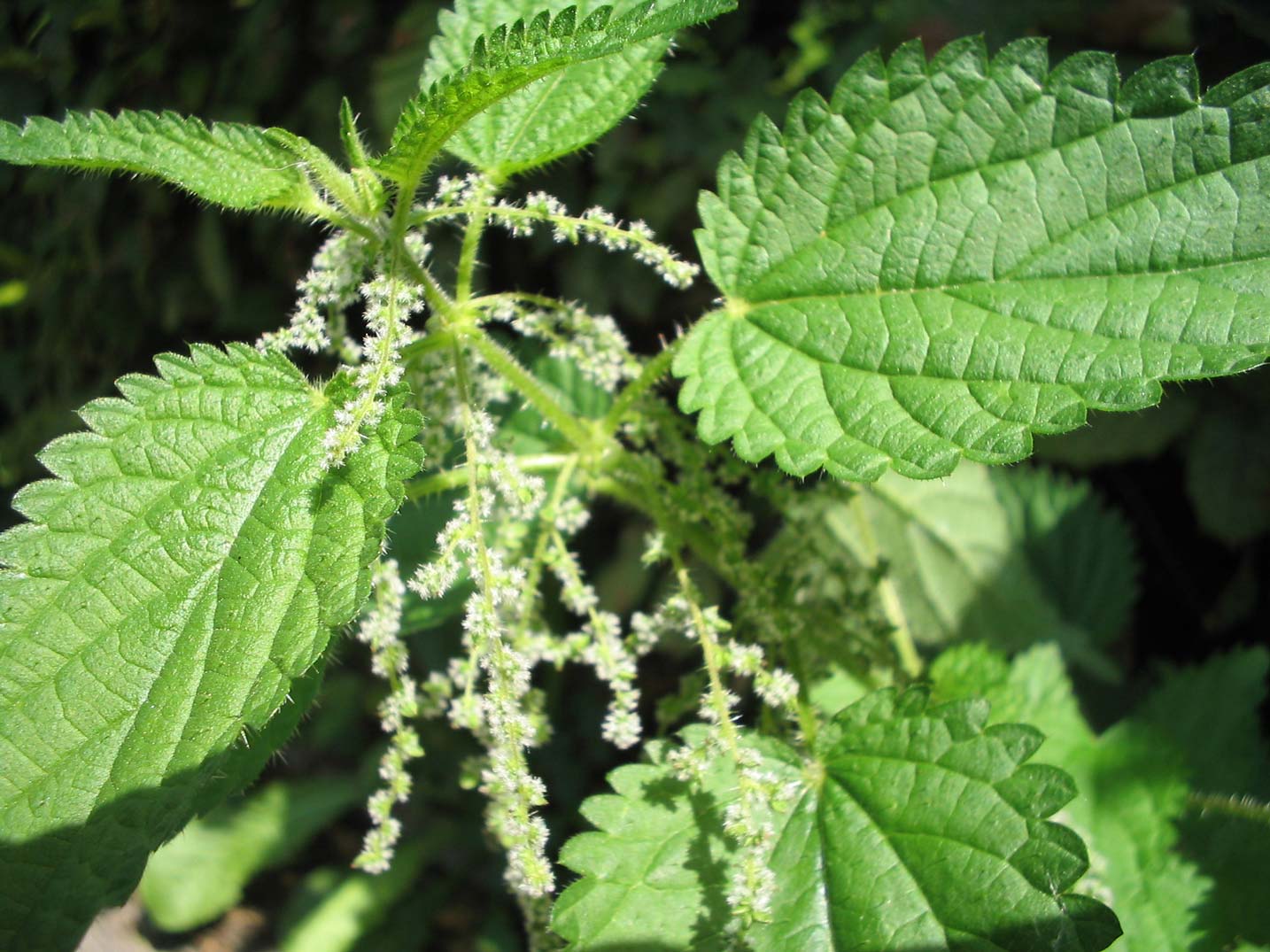
Urticaceae Facts For Kids
Videos & Quizzesincluded
About this topic
The Urticaceae family, also called the nettle family, is a group of flowering plants 🌼. They can be found all over the world, from Africa to the Americas! The family includes around 125 genera and 2,500 species! 🌍While some plants in this family can be prickly, they also have many useful benefits. Think of nettles as the superheroes of plants! Some well-known Urticaceae plants include stinging nettles and ramie. They have interesting properties that can be helpful to people and nature alike. Let’s explore more about these fascinating plants below! 🌱
Explore with ChatDinoKey Points
Urticaceae plants play a vital role in the ecosystem!
Urticaceae plants have cool structures called morphology and anatomy!
Urticaceae plants can thrive in many different habitats around the world!
The Urticaceae family has many interesting species 🎉!
Urticaceae plants are often known for their special features!
Urticaceae plants have a rich history in cultures around the world!
Many Urticaceae plants are strong and help fight pests naturally!
Scientists are fascinated by Urticaceae and explore their properties!
Did you know some Urticaceae plants are tasty?
Urticaceae plants are not just ordinary plants; they have been used in traditional medicine for centuries!
Photos of Urticaceae

Urticaceae — photo 1

Urticaceae — photo 2

Urticaceae — photo 3

Male and female flower of Urtica
Aluminum plant
Urticaceae — photo 6

Poison Ivy in Maninjau rainforest (Dendrocnide sp), West Sumatra

Urticaceae — photo 8

🌿 Ecological Importance
Urticaceae plants play a vital role in the ecosystem! 🌿They provide food and shelter for many animals like butterflies, bees, and birds. The flowers attract pollinators, which help in plant reproduction. 🐝Some animals, like the caterpillars of certain butterflies, depend on these plants for food. Stinging nettles, despite their sting, are an important part of many food webs! By participating in such relationships, Urticaceae plants are essential for maintaining the balance of nature. So even though they might be prickly, they help keep our environment healthy! 🌍
Go deeper🍃 Morphology And Anatomy
Urticaceae plants have cool structures called morphology and anatomy! 🍃Most have leaves that are serrated or jagged, which helps them collect sunlight. The stems are often hollow, which makes them lightweight and flexible. 🌱Inside the leaves, there are tiny cells that help produce nutrients. Their flowers are often small and clustered together. Many species have endurable roots that reach deep into the ground, helping them find water. The unique structure of Urticaceae allows them to thrive in many environments, showcasing nature's creativity! 🌍
Go deeper🌍 Habitat And Distribution
Urticaceae plants can thrive in many different habitats around the world! 🌍You might find them in forests, fields, gardens, and even wetlands. They enjoy places where the sun shines brightly and where there is plenty of moisture. 🌧️ For example, stinging nettles love the cooler, shadier areas of North America and Europe! Ramie, on the other hand, is often cultivated in tropical countries like China and India for its fibers. 🌴With such a wide range of habitats, Urticaceae plants truly showcase the diversity of nature! 🌱
Go deeper🎉 Common Species In Urticaceae
The Urticaceae family has many interesting species 🎉! Stinging nettles (Urtica dioica) are often found in gardens and along paths. These plants can grow up to 4 feet tall and have jagged leaves 🌱. Another common species is ramie (Boehmeria nivea), a plant used to make clothing and textiles! Some people even use it to make ropes! 🧶You can also find Asian nettles, like Chinese nettle (Laportea interrupta). This plant is famous for its use in herbal medicine. Each species has its unique traits that make it special! 🌼
Go deeper🌿 Characteristics Of Urticaceae
Urticaceae plants are often known for their special features! Many have small, green leaves and can grow tall or low 🌿. One exciting thing is that some of them can "sting" you! This happens because their tiny hairs release a substance that makes your skin feel itchy. Stinging nettles, for example, can be found in cool, damp places. Despite their sting, they are rich in vitamins and nutrients! 🌟These plants usually produce tiny flowers that can be greenish or yellowish. Urticaceae plants also love sunlight and need well-drained soil to grow strong! 🌞
Go deeper🎉 Urticaceae In Cultural Context
Urticaceae plants have a rich history in cultures around the world! 🎉Ancient Egyptians used ramie to make fabric for mummies and clothing. 🌍Many native people appreciated nettles for their medicinal and nutritional properties. In Ireland, stinging nettles are used in traditional dishes like nettle soup! People celebrate plants in art, folklore, and stories too. 🌿They symbolize resilience, strength, and the connection to nature. Understanding these cultural aspects helps us appreciate the importance of Urticaceae in our lives and traditions! 🌼
Go deeper🐞 Pest Resistance And Agriculture
Many Urticaceae plants are strong and help fight pests naturally! 🐞Farmers appreciate this because they can use these plants to protect their crops. Stinging nettles, for example, can be used to create natural pesticides that keep harmful insects away! 🌱Some farmers plant them alongside other crops to naturally repel pests without harmful chemicals. Additionally, the fibers from ramie are also woven into fabrics to make sturdy clothing. This helps to reduce the need for synthetic materials. Urticaceae plants can be beneficial in making farming environmentally friendly! 🌿
Go deeper🧑🔬 Research And Conservation Efforts
Scientists are fascinated by Urticaceae and explore their properties! 🧑🔬 Research studies help understand how these plants can benefit agriculture, health, and the environment. Some scientists are studying how Urticaceae can help fight climate change by improving soil health! 🌍Conservation efforts also ensure that these plants are protected. Organizations work to preserve their habitats, promoting biodiversity. By learning about Urticaceae, we can become better stewards of the earth and help protect these vital plants for future generations! 🌱
Go deeper🍽️ Culinary Uses Of Urticaceae Plants
Did you know some Urticaceae plants are tasty? 🍽️ Stinging nettles can be used in soups, salads, and even pesto! They have a flavor similar to spinach and provide lots of nutrients! 🌱In fact, they are rich in vitamins A, C, and K. In some countries, nettle tea is a popular drink, enjoyed for its health benefits! Ramie, on the other hand, is not eaten, but its fibers are made into eco-friendly textile products. By using these plants in meals, we celebrate their value and the connection to nature! 🌼
Go deeper🌿 Uses Of Urticaceae In Traditional Medicine
Urticaceae plants are not just ordinary plants; they have been used in traditional medicine for centuries! 🌿In many cultures, stinging nettles are used as a natural remedy for allergies and inflammation. People use them to make teas, tinctures, and poultices. 🌱In Japan, the ramie plant has long been valued for its healing properties! Additionally, some indigenous tribes have used Urticaceae plants to treat various ailments, from joint pain to skin issues. Traditional healers recognize these plants as gifts from nature that help us stay healthy! 🌟
Go deeper