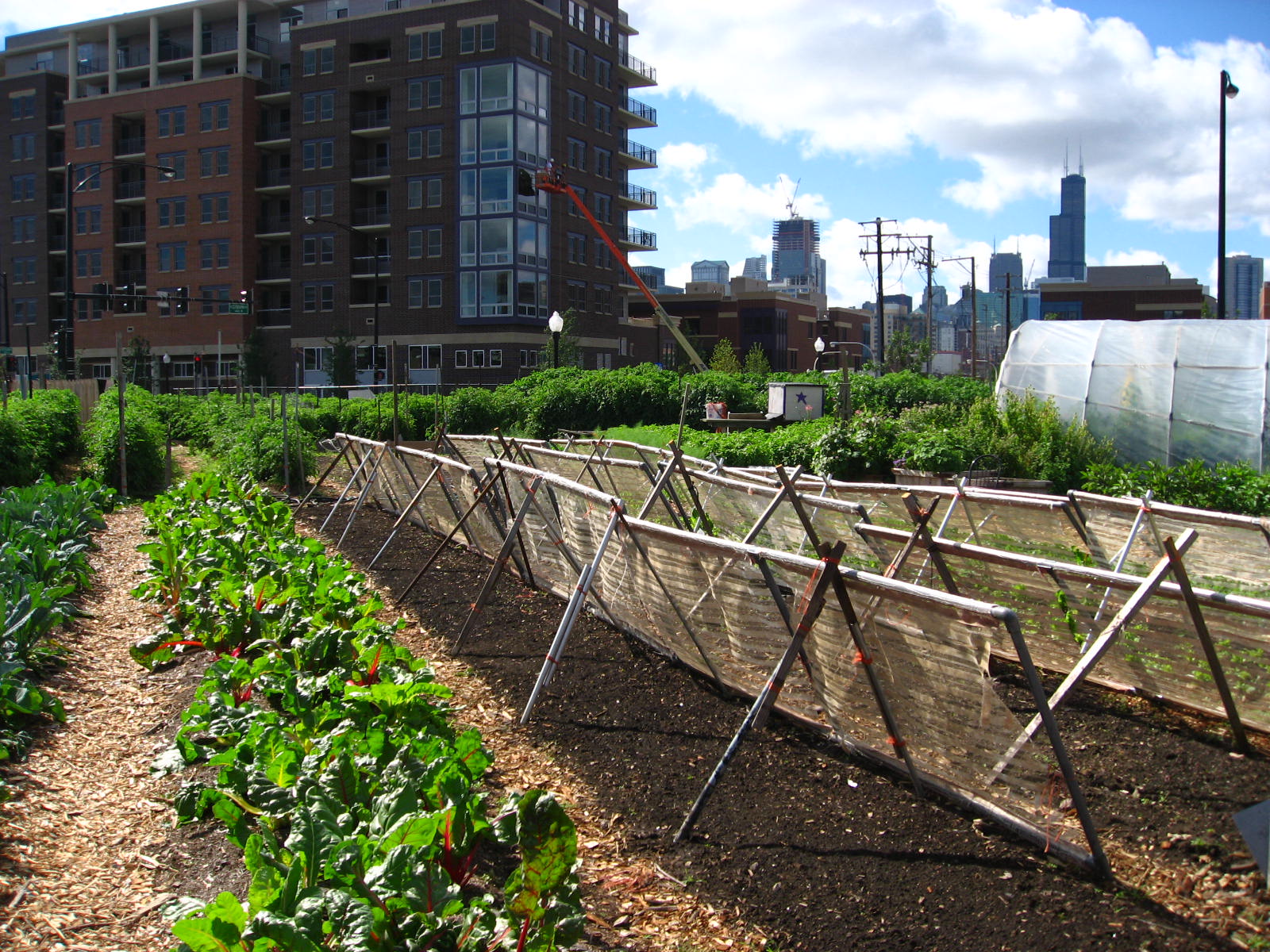
Urban farming is the practice of cultivating, processing, and distributing food within urban areas, utilizing innovative techniques to promote sustainability and food accessibility.
Set reading age
View for Kids
Easy to read and understand
View for Students
Clear, detailed explanations
View for Scholars
Deep dives and big ideas
Urban farming is a fun and exciting way to grow food right in the city! 🌱🏙️ Imagine plants growing on rooftops, in backyards, and even on balconies. People in cities like New York, Tokyo, and London are taking care of plants to provide fresh vegetables, fruits, and even flowers. Urban farming helps to make our environment greener and shows us where our food really comes from. Plus, it's a great way to share delicious food with family and friends! 🍅🥕 Everyone can be part of this adventure, whether it's planting seeds or picking vegetables.
Community involvement is super important in urban farming! 🤝When people come together to grow food, they're building friendships and connections. Many neighborhoods have volunteer days where everyone helps to plant, water, and harvest. 🌾Schools also get involved, teaching kids about gardening and healthy eating through fun programs! Some cities have “farmers markets” where locals can sell their produce and connect with the community. 🥕By working together, we can create green spaces that benefit everyone while building teamwork and skills for the future! 🌻
To make urban farming successful, cities have rules called policies and regulations. 📜These rules help make sure that farms are safe and good for the environment. Some cities create special community garden programs that provide land for growing food. 🌳Others pass laws to help protect farmers when they want to sell their vegetables! These policies can also help reduce businesses that pollute, making the city healthier for everyone. It's essential for city leaders to support urban farming by creating policies that encourage this exciting way to bring food to cities! 🏙️
There are many creative ways to farm in cities! 🌼One of the most common types is community gardens, where neighbors share space to grow vegetables together. Rooftop gardens are also popular, as they use unused rooftop space to grow food up high! Some people even do vertical farming, stacking plants in special towers. There's also aquaponics, where fish and plants grow together in water. 🐟💧 Each type of urban farming helps make cities greener and brings people together! So whether you want to grow tomatoes or raise fish, there's a way to make it happen!
The future of urban farming looks bright and full of possibilities! 🌟As cities grow bigger, urban farms will help provide fresh food to more people. Technological advancements, like using drones for planting or apps to monitor plants, will make farming easier and more efficient. 📲Cities are now exploring using empty lots and buildings for farms, making the most of every space! More schools are teaching kids about gardening, creating a new generation of young farmers! So get ready for a green, tasty, and exciting future in urban farming! 🌍🥦
Even though urban farming is great, there are some challenges to think about! 🏙️ One major problem is space, as cities can be crowded. People need to work together to find land for gardening. There can also be issues with soil pollution, so it's important to test the soil before planting food. 🚧Water can be a problem too, especially in dry areas. To solve these issues, city planners can help by creating more community gardens, using containers for planting, and collecting rainwater! 💧With teamwork, we can overcome these challenges!
Urban farming has been around for a long, long time! 🌍In ancient Egypt, people grew crops near the Nile River to have food close by. Fast forward to the 1900s, during World War I and II, many people in the USA created "Victory Gardens" to grow their own food while helping soldiers. In modern times, cities all over the world are starting their own farms, so people can have fresh food and learn about where it comes from! Cities like Detroit and Havana have been known for their urban farms, creating communities around healthy eating. 🍏🍽️
There are many exciting techniques that urban farmers use to grow food! 🌱One popular method is companion planting, where certain plants help each other grow. For example, planting basil with tomatoes can make them taste better! 🥬Some farmers use hydroponics, which allows plants to grow in water without soil. This is great for small spaces! 🧊Another technique is permaculture, which focuses on working with nature rather than against it, making gardens super friendly for the planet! 🦋With these techniques, urban farming can be creative and sustainable!
Urban farming has tons of benefits! 🌈First, it gives us fresh food right from our city. Fresh fruits and vegetables are yummy and healthy! 🥦Urban farms also help make the air cleaner, as plants absorb carbon dioxide. 🍃They create spaces for people to connect and work together, making communities stronger. Urban farming can also save money since we grow our food and reduce waste. And guess what? These farms can attract bees and butterflies, helping our environment even more! 🐝🌺 It’s a win-win for us and nature!