Turbine Facts For Kids
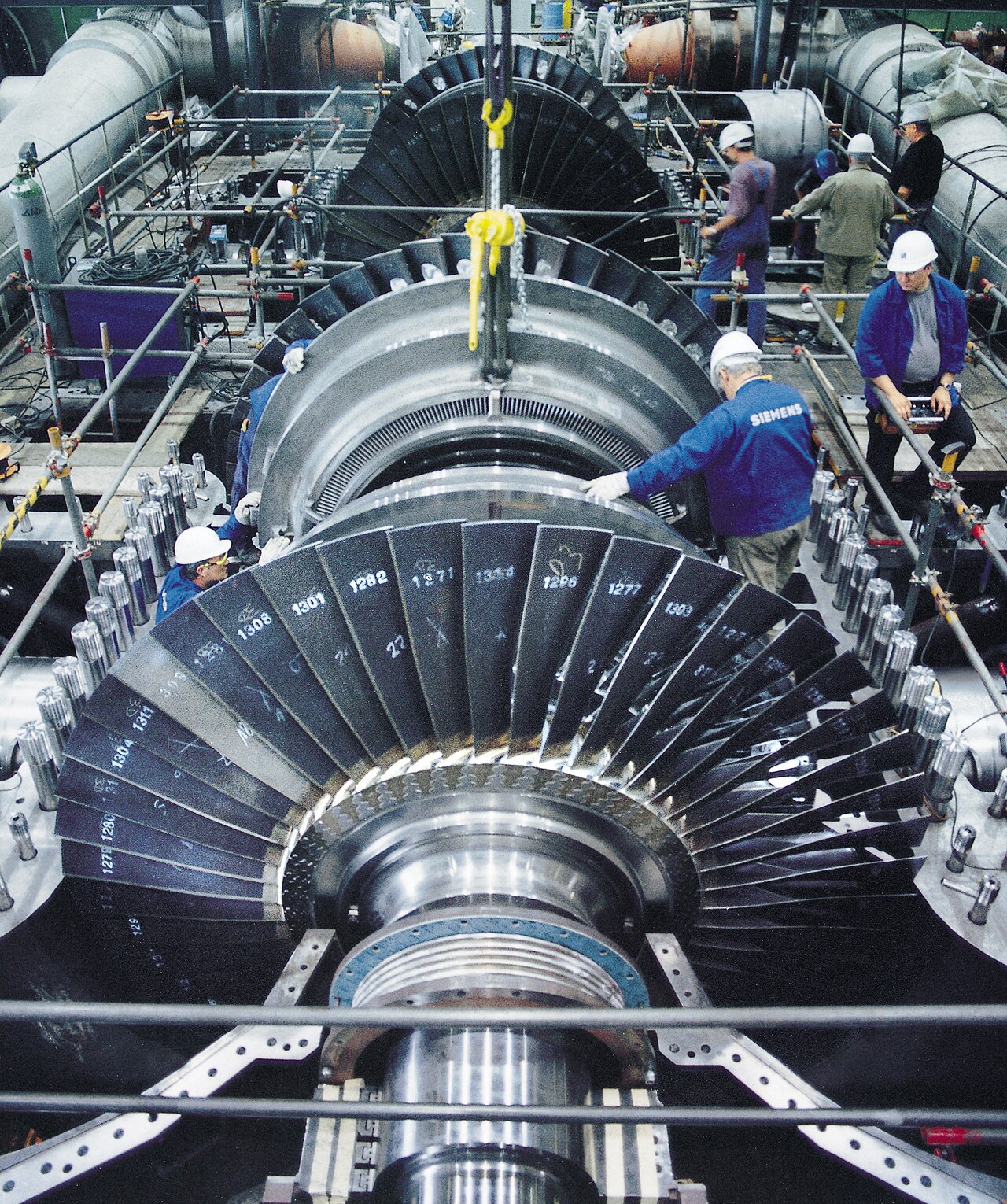
A turbine is a rotary mechanical device that extracts energy from a fluid flow and converts it into useful work.
Select reading age
Turbine Facts For Kids
Videos & Quizzesincluded
About this topic
Turbines are amazing machines that help us create energy 🌊! They spin around to turn the energy from moving fluids like water, air, or steam into power we can use. You can find them in places like wind farms, where wind spins giant wind turbines, and hydroelectric plants, where water flows through turbine wheels. When these turbines spin, they turn generators that produce electricity. Without turbines, many of our everyday gadgets would not work. They are essential for making renewable energy, which is energy that doesn’t run out! 🌍✨
Explore with ChatDinoKey Points
Turbines are like big spinning wheels that change fluid energy into power!
There are many types of turbines, each designed for different tasks!
The story of turbines begins long ago!
Turbines can have good and bad effects on the environment.
Turbines have tons of uses!
Turbines are made up of several key parts that make them work!
Innovations in turbine technology are fascinating!
The future of turbine technology is exciting!
Keeping turbines safe and working well is super important!
Turbines make lots of energy, but they have some pros and cons!
Photos of Turbine

Schematic of impulse and reaction turbines, where the rotor is the rotating part, and the stator is the stationary part of the machine

Turbine inlet guide vanes of a turbojet

Three types of water turbines: Kaplan (in front), Pelton (middle) and Francis (back left)

Colbert Fossil Plant Turbine on display at U.S. Space & Rocket Center.
💨 How Turbines Work
Turbines are like big spinning wheels that change fluid energy into power! 💨When wind, water, or steam flows, it pushes against the turbine blades, causing them to spin. This spinning motion is called “rotation.” The blades are specially shaped to catch the flow efficiently. When the blades turn, they spin a connected shaft, which then turns a generator to produce electricity. ⚡This process is super important because it helps us power our homes, schools, and even our favorite video games! 🕹️
Go deeper🎡 Types Of Turbines
There are many types of turbines, each designed for different tasks! 🎡Wind turbines capture wind energy; they look like giant fans spinning high in the sky. Water turbines, used in hydroelectric plants, use the force of flowing water. 😄Steam turbines use hot steam from boiling water to create energy. Lastly, gas turbines use burning gas to spin and create power! ✈️ Some turbines are even designed to work underwater! Each type helps us generate energy in unique ways. There’s a turbine for every nook and cranny of our world!
Go deeper💧 History Of Turbines
The story of turbines begins long ago! The first water turbine was invented in the 1st century by a Greek engineer named Hero of Alexandria. 💧In the 19th century, Sir Charles Parsons created the steam turbine, helping trains and ships go faster! Australia built the first commercial wind turbine in 1973 to harness wind energy. 🌬️ In the US, turbines became important in the 1900s, bringing electricity to many homes. Since then, engineers have improved turbine designs to make them more efficient. Today, turbines are used all over the world! 🌐
Go deeper🌎 Environmental Impact
Turbines can have good and bad effects on the environment. 🌎Wind and water turbines are eco-friendly since they don’t create harmful smoke. They help reduce our reliance on fossil fuels, which can pollute the air. However, turbines can have impacts, like changing local habitats or affecting birds and fish 🐦. It's crucial to design turbines carefully and place them in spots that will cause the least harm. Scientists and engineers are working hard to create solutions that protect animals and nature while still helping us use energy wisely! 🌳
Go deeper🌟 Applications Of Turbines
Turbines have tons of uses! 🌟They help produce electricity at power plants, making our lights and gadgets work. Wind turbines are used on farms to harness wind energy, while water turbines help create hydroelectric power from rivers and dams. 🔌Steam turbines are often found in factories and power plants because they use steam to create energy. Turbines are also important in airplanes ⛅ and ships, allowing them to move quickly across oceans. Turbines keep our world buzzing with energy every day! 🌍
Go deeper🔧 Key Components Of A Turbine
Turbines are made up of several key parts that make them work! 🔧The main part is the rotor, which has blades that spin when the fluid moves. Next is the generator, which converts the spinning motion into electricity! ⚡There’s also a gearbox in some turbines that helps control the speed of rotation. Additionally, turbine towers support wind turbines high above the ground for better wind access. ⚙️ Finally, there are control systems that help manage the turbine's performance! These parts work together to create clean energy! 🌬️
Go deeper🌟 Notable Turbine Innovations
Innovations in turbine technology are fascinating! 🌟One cool invention is the vertical-axis wind turbine, which spins differently than traditional models, making it safer for birds. 🌈Another is the use of lighter materials, like carbon fiber, to increase efficiency and reduce cost. Plus, researchers are developing “smart” turbines with sensors that monitor performance in real-time! ⏱️ In the future, we could see turbines generating energy from ocean currents and even miniature turbines for homes. Each new idea helps us harness the power of nature smarter and faster! 🌊✨
Go deeper🚀 Future Of Turbine Technology
The future of turbine technology is exciting! 🚀Engineers are developing new designs and materials to make turbines even more efficient and powerful. For example, researchers are experimenting with floating wind turbines that can be placed far from shore 🌊. This helps capture stronger winds while minimizing environmental impact. Other innovations include turbine improvements that reduce noise and harm to wildlife 🦋. As renewable energy becomes more vital, we’ll see turbines leading the way! Their growth will help create a cleaner, greener planet for everyone! 🌍✨
Go deeper🛠️ Turbine Maintenance And Safety
Keeping turbines safe and working well is super important! 🛠️ Regular maintenance helps check for any problems, ensuring that turbines are efficient. For wind turbines, workers often climb tall towers to inspect blades and other components! 😮Safety measures include ensuring workers wear harnesses and helmets. Water turbines also need checks for debris that might block water flow! Proper maintenance helps prevent accidents and ensures that our turbines produce energy safely. Taking care of turbines also protects the environment and extends their life! 🌱
Go deeper🎉 Advantages And Disadvantages Of Turbines
Turbines make lots of energy, but they have some pros and cons! 🎉One advantage is that they can produce clean, renewable energy, especially wind and water turbines. This helps reduce pollution. However, a disadvantage is that some turbines can harm wildlife, like birds, when they spin fast. 🦅Wind and water turbines also need specific locations, meaning they aren’t always easy to install everywhere. It’s essential to balance these positives and negatives to use turbines wisely and protect our environment! 🌿
Go deeper