Triticum Durum Facts For Kids
Triticum durum, also known as durum wheat or pasta wheat, is a tough, tetraploid species of wheat primarily used for high-quality pasta production.
Select reading age
Triticum Durum Facts For Kids
Videos & Quizzesincluded
About this topic
Triticum durum, also known as durum wheat, is a special type of wheat used mainly to make pasta! 🍝It grows in warm places like Italy, the United States, and Canada. Durum wheat has a hard outer shell and is different from regular bread wheat. The "durum" name comes from the Latin word "durus", which means hard. Isn't that cool? This wheat is important because it's high in protein and has a golden color. People around the world love pasta, and durum wheat is essential for making delicious spaghetti, macaroni, and lasagna! 🍝🌾
Explore with ChatDinoKey Points
Durum wheat is not just tasty; it’s also nutritious!
Durum wheat is very important for farmers and the economy!
Farmers grow durum wheat in special fields called fields.
The most popular use for durum wheat is making pasta!
Durum wheat is mostly grown in warm, dry areas of the world.
Durum wheat plants are tall and sturdy, growing up to 3-4 feet high!
Just like any plant, durum wheat can attract pests and diseases!
Scientists are always looking for ways to improve durum wheat!
Sustainable farming practices are important for durum wheat production!
Photos of Triticum Durum

Dry treccioni pasta
🌟 Nutritional Value
Durum wheat is not just tasty; it’s also nutritious! 🌟It contains lots of protein, which helps our muscles grow strong. A serving of whole durum wheat pasta has about 7 grams of protein! It's also a good source of fiber, which keeps our tummy happy! 🌈Plus, it has important vitamins, like B vitamins, that help our bodies use energy. With no cholesterol or unhealthy fats, durum wheat is a healthy choice for meals. Eating pasta made from durum wheat gives us energy to play and learn! 🎉
Go deeper💰 Economic Importance
Durum wheat is very important for farmers and the economy! 💰It helps feed people around the world and creates jobs in farming, processing, and selling pasta. Countries like Canada and Italy produce lots of durum wheat each year. In Italy alone, pasta is a big part of the food culture and economy! Pasta made from durum wheat is exported to many countries, bringing in money and supporting local farmers. 🍝So, every time you enjoy a plate of pasta, remember how it helps people and communities! 🌾
Go deeper🌱 Cultivation Practices
Farmers grow durum wheat in special fields called fields. 🌱They plant durum seeds in the spring so that they can grow as the weather warms up. Farmers make sure the soil has the right nutrients and moisture. They also check for weeds and pests that might hurt the crops! 🌾When the wheat gets ripe, they harvest it using big machines called combines. In some areas, durum wheat is grown in rotation with other crops, helping keep the soil healthy. Proper care of durum wheat fields helps farmers get the best quality for making pasta!
Go deeper🍝 Uses In Food Products
The most popular use for durum wheat is making pasta! 🍝It creates yummy noodles, ravioli, and macaroni. Did you know durum wheat is essential for making semolina, a coarse flour used in many pasta products? Other than pasta, people also use durum wheat in bread and couscous! 🥖In some countries, it's cooked as a grain similar to rice and eaten with various dishes. The delicious taste and hard texture make it the perfect ingredient. No wonder pasta is one of the world's favorite foods! 🌍🍽️
Go deeper🌄 Global Production Areas
Durum wheat is mostly grown in warm, dry areas of the world. The top producers are Canada, Italy, and the United States. 🇨🇦🇮🇹🇺🇸 In Canada, the province of Saskatchewan is famous for its large durum wheat farms. Italy is known for its high-quality durum wheat used in traditional pasta-making. The U.S. states of North Dakota and Montana also grow significant amounts. 🌄Other countries like Turkey and Algeria also produce durum wheat. With so many places growing this special wheat, it can be found in kitchens all around the globe! 🌍
Go deeper🌻 Botanical Characteristics
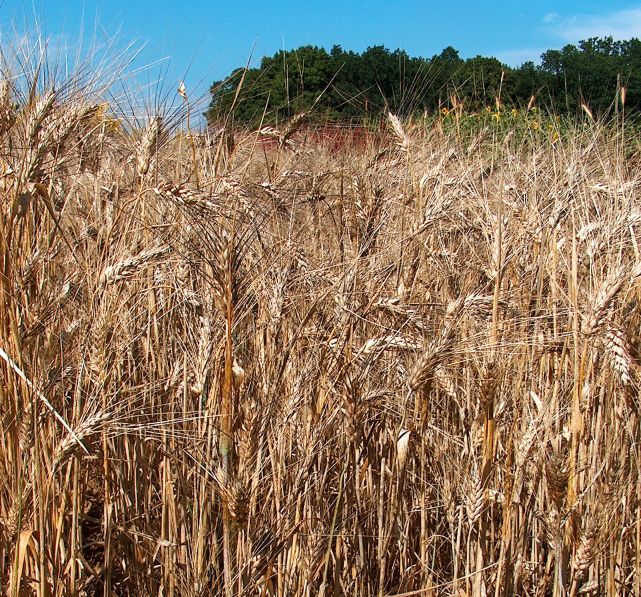
Durum wheat plants are tall and sturdy, growing up to 3-4 feet high! 🌻They have long, green leaves and tall spikes on top where the grains grow. Each spike has beautiful golden-yellow kernels or seeds, which are very hard. The scientific name "Triticum durum" means "hard wheat." Did you know it’s a tetraploid? This means it has four sets of chromosomes instead of two, making it unique! The plants thrive in warm weather and need at least 300 to 600 mm of rain each year to grow well. 🌞
Go deeper🐛 Pest And Disease Management
Just like any plant, durum wheat can attract pests and diseases! 🐛Farmers need to be careful to protect their crops from these dangers. They can use natural methods, like planting pest-resistant varieties or attracting birds that eat bugs. Sometimes, they will use sprays, but they do it wisely to make sure it’s safe for the environment! 🌱Farmers also monitor the fields closely to catch problems early. By working together with scientists, they can find the best ways to keep durum wheat healthy and strong!
Go deeper🧑🔬 Breeding And Genetic Research
Scientists are always looking for ways to improve durum wheat! 🧑🔬 They study its genetics to find out the best traits, like disease resistance and better yields. Researchers are working on creating new varieties that can grow in different climates and use less water. 🌊This is important as climate change affects our planet. By improving durum wheat, we can help farmers grow healthier crops and feed more people. This research means more tasty pasta for everyone in the future! 🍝🔬
Go deeper🌱 Sustainability And Environmental Impact
Sustainable farming practices are important for durum wheat production! 🌱Farmers use techniques like crop rotation and conservation tillage to keep the soil healthy. They also try to use less water and protect wildlife habitats. This helps the environment while ensuring good yields of durum wheat! 🌍By taking care of the land and using natural resources wisely, farmers can grow durum wheat without harming nature. Together, we can support sustainable practices and enjoy our delicious pasta without any harm to our world! 🍝💚
Go deeper