All Articles

Traditional Folk Music

Traditional Folk Music Facts For Kids

Traditional folk music is a genre that shares stories and emotions through catchy tunes and simple lyrics, preserving cultural history and identity.

๐ŸŽจ Reading age for 6-8
Background blob
Traditional Folk Music
Facts for Kids!

Do more with AI

Introduction

Folk music is a special type of music that tells stories and shares cultures! ๐ŸŽถIt has been passed down through generations and connects people in all parts of the world. Folk songs are often simple and can be sung by anyone, making them great for family gatherings and community events. They talk about life, love, and history. Did you know that the word "folk" actually means "people"? So, folk music is really about the stories of people! ๐ŸŒFolk music includes both traditional songs and newer ones that started in the 20th century.

Images of Traditional Folk Music

Viljandi Folk Music Festival held annually within the castle ruins in Viljandi, EstoniaImage by Danrok, licensed under Creative Commons Attribution 3.0

Viljandi Folk Music Festival held annually within the castle ruins in Viljandi, Estonia

Indians always distinguished between classical and folk music, though in the past even classical Indian music used to rely on the unwritten transmission of repertoire.Image by Sukanto Debnath, licensed under Creative Commons Attribution 2.0

Indians always distinguished between classical and folk music, though in the past even classical Indian music used to rely on the unwritten transmission of repertoire.

Indian Nepali folk musician Navneet Aditya Waiba

Indian Nepali folk musician Navneet Aditya Waiba

Turkish traditional folk singer Ahmet KayaImage by www.ahmetkaya.com, licensed under Creative Commons Attribution-Share Alike 3.0

Turkish traditional folk singer Ahmet Kaya
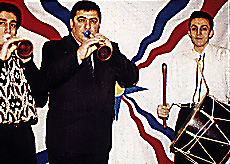
Assyrians playing a zurna and a davul, instruments typically used for Assyrian folk music and danceImage by User Chaldean on en.wikipedia, licensed under Creative Commons Attribution-Share Alike 3.0

Assyrians playing a zurna and a davul, instruments typically used for Assyrian folk music and dance

Korean traditional musiciansImage by hojusaram, licensed under Creative Commons Attribution-Share Alike 2.0

Korean traditional musicians

Naxi traditional musiciansImage by Peter Morgan from Beijing, China, licensed under Creative Commons Attribution 2.0

Naxi traditional musicians

The Steinegger brothers, traditional fifers of Grundlsee, Styria, 1880

The Steinegger brothers, traditional fifers of Grundlsee, Styria, 1880

Locations in Southern and Central Appalachia visited by the British folklorist Cecil Sharp in 1916 (blue), 1917 (green), and 1918 (red). Sharp sought "old world" English and Scottish ballads passed down to the region's inhabitants from their British ancestors. He collected hundreds of such ballads, the most productive areas being the Blue Ridge Mountains of North Carolina and the Cumberland Mountains of Kentucky.

Locations in Southern and Central Appalachia visited by the British folklorist Cecil Sharp in 1916 (blue), 1917 (green), and 1918 (red). Sharp sought "old world" English and Scottish ballads passed down to the region's inhabitants from their British ancestors. He collected hundreds of such ballads, the most productive areas being the Blue Ridge Mountains of North Carolina and the Cumberland Mountains of Kentucky.

Viljandi Folk Music Festival held annually within the castle ruins in Viljandi, Estonia

Viljandi Folk Music Festival held annually within the castle ruins in Viljandi, Estonia

Indians always distinguished between classical and folk music, though in the past even classical Indian music used to rely on the unwritten transmission of repertoire.

Indians always distinguished between classical and folk music, though in the past even classical Indian music used to rely on the unwritten transmission of repertoire.

Indian Nepali folk musician Navneet Aditya Waiba

Indian Nepali folk musician Navneet Aditya Waiba

Turkish traditional folk singer Ahmet Kaya

Turkish traditional folk singer Ahmet Kaya

Assyrians playing a zurna and a davul, instruments typically used for Assyrian folk music and dance

Assyrians playing a zurna and a davul, instruments typically used for Assyrian folk music and dance

Korean traditional musicians

Korean traditional musicians

Naxi traditional musicians

Naxi traditional musicians

The Steinegger brothers, traditional fifers of Grundlsee, Styria, 1880

The Steinegger brothers, traditional fifers of Grundlsee, Styria, 1880

Locations in Southern and Central Appalachia visited by the British folklorist Cecil Sharp in 1916 (blue), 1917 (green), and 1918 (red). Sharp sought "old world" English and Scottish ballads passed down to the region's inhabitants from their British ancestors. He collected hundreds of such ballads, the most productive areas being the Blue Ridge Mountains of North Carolina and the Cumberland Mountains of Kentucky.

Locations in Southern and Central Appalachia visited by the British folklorist Cecil Sharp in 1916 (blue), 1917 (green), and 1918 (red). Sharp sought "old world" English and Scottish ballads passed down to the region's inhabitants from their British ancestors. He collected hundreds of such ballads, the most productive areas being the Blue Ridge Mountains of North Carolina and the Cumberland Mountains of Kentucky.

Storytelling In Folk Music

Storytelling is a big part of folk music! ๐Ÿ“–Each song often tells a tale about love, adventure, or history. For example, "Scarborough Fair" is a famous English ballad about a young man on a quest. ๐ŸŽคIn many cultures, these songs are used to pass down lessons from one generation to another. Music helps people remember important events and keeps stories alive. Young children can learn important moral lessons through these tales. ๐ŸŽถSo when you hear folk music, remember itโ€™s not just a song, itโ€™s a story waiting to be discovered!

Folk Music And Cultural Identity

Folk music is closely tied to a cultureโ€™s identity! ๐ŸŒIt reflects the stories, beliefs, and traditions of a people. For example, Native American folk music uses drums and flutes to express their connection to nature and spirituality. ๐ŸŽตThrough folk songs, people share their history, struggles, and dreams, creating a sense of belonging. Hearing folk music can make you feel like youโ€™re a part of something bigger! ๐ŸŒŸIt helps everyone remember who they are and where they come from, keeping traditions alive for future generations.

Regional Varieties Of Folk Music

Different places have their own unique folk music styles! ๐ŸŽผIn Spain, there's Flamenco, known for its lively guitar and clapping! In India, the Rajasthani folk music features colorful costumes and vibrant dances. ๐ŸŒˆBrazil has Samba, which is all about rhythm and energy. Each regionโ€™s music reflects its culture, dress, and the stories of its people. In the United States, you'll find Cajun music from Louisiana, bluegrass from Appalachia, and the blues from the Mississippi Delta. ๐ŸŒŠEvery type of folk music is special in its own way, just like its people!

Origins Of Traditional Folk Music

Traditional folk music began many, many years ago, often in small communities. ๐ŸŽคPeople sang to express their feelings and share important events, like weddings or harvests. This music had no written notes; it was shared by listening and singing together! Countries like Ireland ๐Ÿ‡ฎ๐Ÿ‡ช and the United States ๐Ÿ‡บ๐Ÿ‡ธ have rich folk music traditions. In Ireland, Irish jigs and ballads are famous. In America, songs like "This Land Is Your Land" bring people together. Folk music tells us about the history and traditions of different cultures and keeps the spirit of the people alive! ๐ŸŒŸ

Instrumentation In Folk Traditions

Folk music uses many different instruments! ๐ŸŽปIn America, you'll often hear guitars, banjos, and fiddles. In Ireland, the harp and accordion are popular. ๐ŸŽถIn Brazil, the berimbau is used in capoeira, a dance and martial art. Each instrument has its own sound and style that fits the music. Many folk musicians make their own instruments or use traditional ones that have been around for hundreds of years. ๐ŸŽธThe sounds created help tell the story of the song, making folk music full of life and joy!

Folk Music Festivals And Community Events

Folk music festivals are fun events where people gather to celebrate and enjoy music! ๐ŸŽ‰From small community fairs to big festivals like the Newport Folk Festival in Rhode Island, thereโ€™s music and dancing everywhere! ๐ŸŽตPeople of all ages come together to sing, play instruments, and share food. Workshops are often held to teach traditional songs and dances. These events help maintain the communityโ€™s cultural traditions, and everyone gets to have a great time! ๐ŸŒŸSo whether it's singing around a campfire or dancing in a field, folk music festivals create a sense of friendship and unity!

Influence Of Folk Music On Contemporary Genres

Folk music has influenced many popular music styles today! ๐ŸŽธGenres like rock, pop, and country music borrow melodies and instruments from folk traditions. Bob Dylan, a famous folk singer, changed music in the 1960s with songs that combined storytelling with social issues. ๐ŸŽคFolk revival in the 20th century made people pay attention to the music of their roots. Even today, artists like Mumford & Sons mix modern sounds with traditional folk! ๐ŸŒŸThis shows how folk music keeps evolving while still holding on to its cultural roots.

Notable Folk Musicians And Their Contributions

Many famous folk musicians have made significant contributions! ๐ŸŽคWoody Guthrie, known for his song "This Land Is Your Land," used music to fight for social justice. Joan Baez, a talented singer, raised awareness on important issues during the civil rights movement. ๐ŸŒŸPete Seeger helped bring folk music to communities and inspire other singers. In todayโ€™s world, artists like Brandi Carlile are keeping folk music alive with modern twists. ๐ŸŽถThese musicians not only sing beautiful songs; they also use their voices to create positive changes in the world!

Global Perspectives: Folk Music Around The World

Folk music exists in every part of the world! ๐ŸŒIn Africa, there are Griots, who are storytellers and praise singers that share history. In Asia, songs like the Japanese Minyo celebrate life through music. ๐ŸŽถAustraliaโ€™s Indigenous people have songs that connect them to their land. Every culture has its own unique sounds and stories that represent its people. These global folk songs create a rich tapestry of music that people can share and enjoy, no matter where you are! ๐ŸŒŸFolk music helps us understand how different cultures celebrate life.

Preservation And Revitalization Of Folk Traditions

Preserving folk music is important to keep cultures alive! ๐ŸŽถToday, many organizations collect and protect folk songs and stories. Workshops and classes help teach children how to play traditional instruments and sing old songs. ๐ŸŒŸSome communities organize events where people gather to share and celebrate their music. This helps younger generations understand their cultural heritage. The rise of social media and videos makes it easier to share these traditions worldwide! ๐ŸŒFolk musicians are also recording their songs to help keep them alive for years to come.

Traditional Folk Music Quiz

Q1
Question 1 of 10

Learn more about Traditional Folk Music

Ready to create?

Drop Files here
Make

To create a safe space for kid creators worldwide!

Create

Vibe Coding

Kids GPT

All Tools

Kibu

Resources

Worksheets

SafeTube

Blog

FAQ

Account

Pricing

Log-in

Sign-up

Data Deletion

Company

About

Community Guidelines

Privacy Policy

Terms of Service

2025, URSOR LIMITED. All rights reserved. DIY is in no way affiliated with Minecraftโ„ข, Mojang, Microsoft, Robloxโ„ข or YouTube. LEGOยฎ is a trademark of the LEGOยฎ Group which does not sponsor, endorse or authorize this website or event. Made with love in San Francisco.