Tourmalines Facts For Kids
Tourmaline is a crystalline silicate mineral group featuring a variety of colors and comprising boron combined with elements like aluminum, iron, magnesium, sodium, lithium, or potassium.
Select reading age

Tourmalines Facts For Kids
Videos & Quizzesincluded
About this topic
Tourmalines are colorful crystals that are found in many different places around the world! 🌍They can be red, blue, green, yellow, or even black! Tourmaline is a special mineral made up of tiny building blocks called silicates, which means they have silicon and oxygen. This wonderful gem is formed deep within the Earth and comes in many varieties. It has been admired for centuries and is used in jewelry, electronics, and even in some healing practices. Tourmalines are not just pretty to look at, they also have some fascinating properties! 💎
Explore with ChatDinoKey Points
There are many different types of tourmaline, each with its special name and color!
The crystal structure of tourmalines is unique!
Tourmalines are made of several elements, including boron, aluminum, iron, magnesium, sodium, lithium, and potassium.
Many people believe that tourmalines have special powers!
Tourmalines are used in many ways!
Mining for tourmalines can be tough work!
Tourmalines can be found in many different countries!
Tourmaline has a rich history!
Identifying tourmalines can be fun!
Photos of Tourmalines

Main tourmaline producing countries

A single stark green fluorite isolated on top of schorl crystals

Schorl, magnified 10×

Black dravite on a grey matrix

Elbaite with quartz and lepidolite on cleavelandite


Tri-chromatic elbaite crystals on quartz, Himalaya Mine, San Diego Co., California, US
Tourmalines — photo 8
Tourmalines — photo 9
💖 Types Of Tourmaline
There are many different types of tourmaline, each with its special name and color! 💖One popular type is "Watermelon Tourmaline," which looks like a green rind with a pink center! 🍉Another famous type is "Indicolite," which can be a stunning blue color, just like the ocean! 🌊Other types include "Rubellite" (red) and "Paraíba" (bright blue-green). Each type of tourmaline has its unique beauty and charm, making them popular for collectors and jewelry lovers alike! 💍
Go deeper🌈 Crystal Structure Of Tourmalines
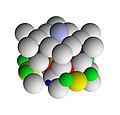
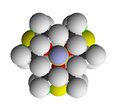
The crystal structure of tourmalines is unique! They form a special shape called a "trigonal" crystal system. This means they look like tall, three-sided pillars. 🌈When you look closely, you can see that they are often long and skinny, with stripes or patterns of different colors. This happens because tourmalines can contain different elements, like iron and magnesium, mixed together. Their crystal structure is what makes tourmalines so strong and beautiful, allowing them to reflect light in amazing ways! 🌟
Go deeper🧪 Chemical Composition And Properties
Tourmalines are made of several elements, including boron, aluminum, iron, magnesium, sodium, lithium, and potassium. 🧪They can have different combinations of these elements, which helps create their beautiful colors and different varieties. Tourmalines are not only pretty, but they are also strong; they have a hardness of 7 to 7.5 on the Mohs scale! This means they can withstand scratches and last for a long time. Plus, some tourmalines can even generate electricity when they are heated or pressed, which is so cool! ⚡
Go deeper🌈 Metaphysical And Healing Properties
Many people believe that tourmalines have special powers! 🌈They are thought to bring good luck, protection, and even stress relief. Each color of tourmaline is believed to have its unique energies. For example, black tourmaline is said to protect against negative energy, while pink tourmaline is thought to boost feelings of love and happiness. ❤️ People sometimes wear tourmaline or keep it nearby to feel better and more balanced in their lives. However, remember that everyone's beliefs may be different! 🌟
Go deeper💎 Uses And Applications Of Tourmaline
Tourmalines are used in many ways! 💎One of the most common uses is in jewelry, where they are cut into pretty stones for necklaces and rings. But that’s not all! Due to their ability to generate electricity, tourmalines are also used in electronic devices like hairdryers and heated mats. ⚡Additionally, some people believe tourmaline can help with health, so it’s sometimes used in wellness products. This wonderful mineral is not only beautiful but also practical! ✨
Go deeper⛏️ Mining And Environmental Considerations
Mining for tourmalines can be tough work! ⛏️ Miners dig deep into the Earth to find these beautiful crystals, often in places like Brazil or Africa. However, it’s important to take care of the environment while mining. 🌱When extracting tourmalines, it’s essential to minimize pollution and protect the areas around the mines. Some companies practice eco-friendly mining, ensuring that nature stays safe and healthy while they work. By supporting responsible mining, we can enjoy tourmalines without harming our planet! 🌍
Go deeper🌎 Occurrence And Geographical Distribution
Tourmalines can be found in many different countries! 🌎Some of the biggest producers are Brazil, which has many colorful varieties, and Africa, where you can find some rare types! Madagascar is also known for its fantastic tourmaline specimens. 😍In the United States, the state of California is famous for its beautiful gems. Tourmalines are generally found in igneous rocks, which form from volcanic activity. They can also appear in metamorphic rocks, created under pressure and heat! 🔥
Go deeper🌍 Historic Significance And Cultural Impact
Tourmaline has a rich history! Ancient civilizations, such as the Egyptians, believed in the magical powers of tourmaline. 🌍They thought the gemstone could bring protection and good fortune. The word "tourmaline" comes from the Sinhalese word "turmali," which means "mixed gems." This is because tourmaline often has different colors in one stone! The mineral became popular in the 19th century when it was used for jewelry. Celebrities and queens have worn tourmaline pieces throughout history! 👑
Go deeper🧐 Identification And Distinction Of Tourmalines
Identifying tourmalines can be fun! 🧐They come in many colors, but one way to tell them apart is to look at the patterns! Some might have stripes or different shades in one crystal, while others might be solid colors. Another way to identify tourmalines is by their shape—remember that trigonal pillar shape? 🔺You can also check if they glow under ultraviolet light! Some tourmalines shine bright, while others are a bit dull. Knowing these little tricks can help you become a tourmaline expert! 💡
Go deeper