Totila Facts For Kids
Totila, originally named Baduila, was the penultimate King of the Ostrogoths who reigned from 541 to 552 AD, renowned for his military prowess and leadership.
Select reading age
Totila Facts For Kids
Videos & Quizzesincluded
About this topic
Totila, also known as Baduila, was a famous king who ruled the Ostrogoths from 541 to 552 AD. The Ostrogoths were a group of Germanic people who lived in Italy and had their own kingdom. 🌍Totila became known for being a strong leader during a challenging time when the Byzantine Empire was trying to take over Italy. He was born in the early 500s and was a warrior who believed in protecting his people. Totila’s story shows us how history can be shaped by brave leaders and their decisions! 🛡️
Explore with ChatDinoKey Points
Totila became king in 541 AD after the previous king, Witigis, was captured by the Byzantines.
Totila's reign left a mark on art, culture, and traditions during the Ostrogothic period!
Totila died in 552 AD during a battle against the Byzantines.
Totila was an impressive military leader and loved to go into battle!
Totila grew up in a time when the Ostrogoths were strong but faced many challenges from the Byzantine Empire.
During Totila's life, many historians wrote about his actions and achievements.
Totila's relationship with the Byzantine Empire was complicated!
Totila worked hard to make the Ostrogothic Kingdom strong and prosperous!
Totila stands out when we compare him to other kings of the Ostrogoths!
Photos of Totila

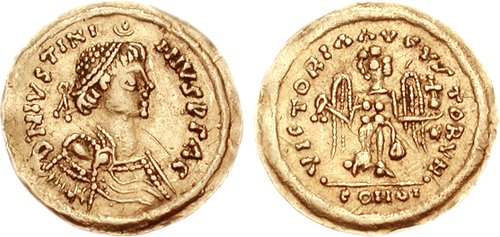
decanummium coin of Baduila (Badvela Rex), issued AD 541–552.

Totila by Francesco Salviati, c. 1549

Totila razes the walls of Florence: illumination from the Chigi ms of Villani's Cronica

Saint Benedict receives Totila by Gaspar de Crayer in Saint Peter's Abbey Ghent

Totila in the 14th century Nuova Cronica

Totila in the Nuremberg Chronicle, 1493.
🏰 Rise To Power
Totila became king in 541 AD after the previous king, Witigis, was captured by the Byzantines. 🏰After taking the throne, Totila worked hard to unite the Ostrogoths and ensure their safety. He was only about 40 years old! He led fierce warriors in battles and gained the respect of his people quickly. 💪His leadership style was different; he listened to his advisors and sought peace whenever possible. His rise to power made him one of the most influential leaders of his time and set the stage for important battles to come. 🗺️
Go deeper🖼️ Cultural Impact
Totila's reign left a mark on art, culture, and traditions during the Ostrogothic period! 🖼️ He encouraged artists and builders to create magnificent structures and art in cities like Rome. 🏗️ Totila loved to have grand celebrations and events, which brought joy and unity to his people. He also promoted the use of the Gothic language, which was a unique way for the Ostrogoths to communicate and connect with each other. His leadership showed how culture can flourish even in uncertain times, and many people still remember his contributions today! 🎉
Go deeper😢 Death And Legacy
Totila died in 552 AD during a battle against the Byzantines. 😢His death marked the end of a significant chapter for the Ostrogoths. Even though he lost the battle, he remains remembered as a brave and wise leader who cared for his people. Totila's legacy continues through stories passed down through generations! 📜His powerful reign and efforts made a difference in the Ostrogothic Kingdom and influenced other leaders after him. He teaches us that great leaders can leave behind a lasting impact, even if they face challenges! 🌈
Go deeper⚔️ Military Campaigns
Totila was an impressive military leader and loved to go into battle! ⚔️ He fought many battles against the Byzantine Army, which was very powerful. One of his most significant battles took place in 542 AD at the city of Mediolanum (now Milan). 🏙️ Totila’s strategies helped him win several important victories for his people. He was known for being clever and sometimes used surprise attacks to defeat his enemies. Totila also aimed to reclaim lost territories and expand the Ostrogothic Kingdom. His bravery on the battlefield made him a hero to many Ostrogoths! 🦸♂️
Go deeper🤺 Early Life Of Totila
Totila grew up in a time when the Ostrogoths were strong but faced many challenges from the Byzantine Empire. 🤺He was born around 500 AD, likely in a village in what is now Italy. As a child, Totila learned the skills of a warrior, riding horses, and fighting, just like other young boys in his tribe. He was not just a fighter but also loved his people and wanted to make their lives better. His unique name, Baduila, meant "the brave one." 🌟 This early strength and wisdom helped him become a great king later in life!
Go deeper📚 Historical Accounts Of Totila
During Totila's life, many historians wrote about his actions and achievements. 📚A famous historian named Procopius recorded his reign and the battles he fought. Procopius described Totila as a charming leader who cared about his people's well-being. 🌟His writings give us important insights into what life was like during that time! Today, these historical accounts help us learn about Totila's story, the Ostrogoths, and the struggles they faced against their enemies. Engaging with these records takes us back to a fascinating period in history! 🕰️
Go deeper🏛️ Interactions With The Byzantine Empire
Totila's relationship with the Byzantine Empire was complicated! 🏛️ The Byzantines were always trying to take control of Italy, so Totila had to be clever. He often fought against them, using strategies to defend his kingdom. However, he also tried to make peace when possible. 🕊️ For example, he once offered to negotiate and treat captured soldiers with kindness. This made some Byzantines respect him, but others saw him as a threat! Despite the challenges, Totila’s cleverness and bravery kept the Ostrogoths in a powerful position during his reign.
Go deeper💚 Contributions To The Ostrogothic Kingdom
Totila worked hard to make the Ostrogothic Kingdom strong and prosperous! 💚One of his significant actions was rebuilding cities that were damaged during wars. He focused on restoring Rome, making it a beautiful place again with new buildings and public spaces. Totila also cared about his people’s lives, ensuring they had food and safety. He encouraged them to farm and trade, creating a good economy for the Ostrogoths! 🌾His contributions helped the kingdom thrive for years during his rule and showed he wanted a brighter future for everyone. 🌼
Go deeper👑 Comparison With Other Kings Of The Ostrogoths
Totila stands out when we compare him to other kings of the Ostrogoths! 👑For instance, he was a different leader than Theodoric the Great, who ruled before him. Theodoric was known for uniting many tribes under one kingdom and creating a peace treaty with the Byzantines. Meanwhile, Totila faced constant war but showcased remarkable military skill and determination. ⚔️ His ability to rebuild and care for his kingdom was also notable. Each king had a unique role in shaping the Ostrogothic Kingdom, and Totila’s reign was crucial during a time of significant change! 🌍
Go deeper