Thuja Facts For Kids
Thuja is a genus of coniferous trees and shrubs in the Cupressaceae family, known for their evergreen foliage and important ecological roles.
Select reading age
Thuja Facts For Kids
Videos & Quizzesincluded
About this topic
Thuja is a special kind of tree that belongs to the Cupressaceae family! 🌲These trees are also known as arborvitae, which means "tree of life" in Latin. There are several types of Thuja, including Thuja occidentalis and Thuja plicata. They can grow quite tall, reaching heights of up to 50 feet (15 meters)! 🏞️ Thuja trees are known for their beautiful, soft green leaves and their ability to keep their shape. You can often find them in parks, gardens, and even in people's backyards!
Explore with ChatDinoKey Points
There are four main species of Thuja, and each has its unique traits!
Like all plants, Thuja trees can sometimes face challenges from pests and diseases.
Many Thuja species are healthy and stable, but some need our help!
Thuja trees are not just lovely to look at; they also have many uses!
Thuja trees are important in various cultures and traditions!
Thuja trees play a vital role in nature!
Thuja trees love to grow in specific places!
Thuja trees have unique features that make them stand out!
Trees in the Thuja genus are classified in the plant kingdom called "Plantae."
Photos of Thuja

Foliage of the cultivar 'Rheingold'

T. plicata bark, foliage

Old growth T. plicata, Olympic Peninsula, USA

Cultivars of T. occidentalis in an arboretum

Thuja occidentalis cultivar 'EuropeGold'


Thuja — photo 8

🌳 Species Diversity
There are four main species of Thuja, and each has its unique traits! 🌳Thuja occidentalis is known for making great hedges due to its dense foliage, while Thuja plicata, or Western Red Cedar, is appreciated for its rot-resistant wood. 🌲The smaller Thuja koraiensis can be found in Korea, and it's smaller than some of its relatives! Lastly, Thuja sutchuenensis grows in China and has pretty, soft leaves. 🌸Each species plays a role in its ecosystem, providing habitats for various animals!
Go deeper🐛 Pests And Diseases
Like all plants, Thuja trees can sometimes face challenges from pests and diseases. 🐛One common pest is the spider mite, which can cause yellowing leaves. Leaf blight is a disease that can affect the foliage, leading to browning and falling off. 🌱Fungi can also attack, leading to decay. To keep these trees healthy, gardeners should check for signs of trouble and take care to water and prune them properly! 🧤This way, we can help Thuja trees stay happy and strong!
Go deeper🌲 Conservation Status
Many Thuja species are healthy and stable, but some need our help! 🌲Thuja sutchuenensis, for instance, is considered vulnerable in its native habitat in China because of habitat loss. Conservation efforts focus on protecting their forests and encouraging sustainable use. 🌏By planting trees and raising awareness, we can help conserve these beautiful plants for future generations. Remember, taking care of nature improves our world, and every person can make a difference! 🌻
Go deeper🌼 Cultivation And Uses
Thuja trees are not just lovely to look at; they also have many uses! 🌼People often plant them for privacy because their thick leaves form a natural hedge. Some gardeners use Thuja in landscaping to create beautiful gardens. Moreover, the wood from Thuja plicata is popular for building houses, making furniture, and even for making canoes! 🛶The leaves have been used in traditional medicine, too. Always remember to appreciate these amazing trees when you spot them!
Go deeper🌍 Cultural Significance
Thuja trees are important in various cultures and traditions! 🌍For many Native American tribes, the Western Red Cedar (Thuja plicata) is considered sacred. They use it to make canoes, baskets, and mats. 🎉In some parts of Asia, Thuja's wood is used to build temples due to its durability. Additionally, arborvitae has symbolic meanings, such as strength and protection, making it popular in gardens and landscaping. 🌿Whether in art, culture, or everyday life, Thuja trees have a special place!
Go deeper🌳 Ecological Importance
Thuja trees play a vital role in nature! 🌳They provide shelter and food for various animals, such as birds, squirrels, and insects. 🌼Their dense foliage helps conserve soil and prevents erosion along riverbanks. Also, the trees improve air quality by producing oxygen and absorbing carbon dioxide. 🌬️ By planting Thuja trees, we can help make our environment healthier and more vibrant. Remember, every little tree counts in creating a balanced ecosystem!
Go deeper🌍 Habitat And Distribution
Thuja trees love to grow in specific places! 🌍They are mostly found in North America, from Canada to Mexico, and they thrive in moist environments like forests and near water bodies. 🌊Thuja occidentalis grows in the northeastern U.S. and Canada, while Thuja plicata can be found on the western coast of the U.S., especially in Washington and Oregon. They also prefer well-drained soil and can even grow in urban areas where there is plenty of sunlight! ☀️
Go deeper🌱 Physical Characteristics
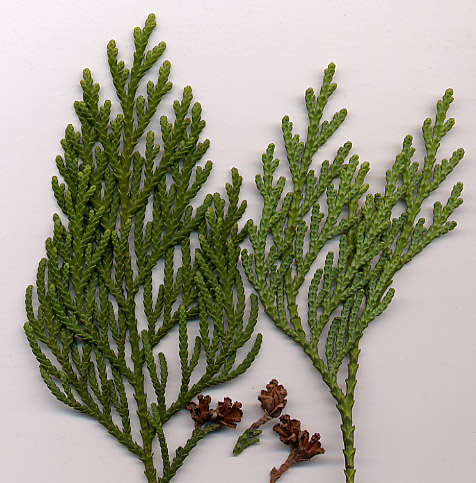
Thuja trees have unique features that make them stand out! Their leaves are scaly and often shaped like small flat needles. 🌱They can be bright green or yellowish-green, depending on the type. Thuja trees also produce woody cones that are small and round, usually about 1 inch (2.5 cm) long. 🌰The bark is rough and can be reddish-brown. Additionally, they have a distinct, pleasant smell when you crush the leaves. Imagine walking through a forest filled with this refreshing aroma! 🌬️
Go deeper🌿 Taxonomy And Classification
Trees in the Thuja genus are classified in the plant kingdom called "Plantae." 🌿 The scientific family name they belong to is Cupressaceae, which is also home to other coniferous trees like cedars and cypress. The genus Thuja has four main species: Thuja occidentalis (Eastern Arborvitae), Thuja plicata (Western Red Cedar), Thuja koraiensis (Korean Arborvitae), and Thuja sutchuenensis. 🌏These scientific names help scientists and nature lovers identify them easily!
Go deeper