Thomas Kuhn Facts For Kids
Thomas Samuel Kuhn was an American historian and philosopher of science known for his influential book, 'The Structure of Scientific Revolutions,' where he introduced the term 'paradigm shift,' reshaping our understanding of scientific progress.
Select reading age
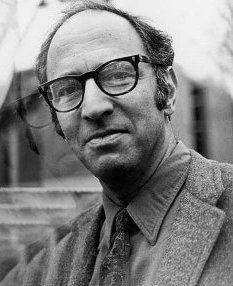
Thomas Kuhn Facts For Kids
Videos & Quizzesincluded
About this topic
Thomas Kuhn was an American thinker born on July 18, 1922, in Cincinnati, Ohio. 🏠He studied hard and became a historian and philosopher of science. His famous book, "The Structure of Scientific Revolutions," published in 1962, is important because it changed how we understand science! 🚀Kuhn introduced the idea of a "paradigm shift," which explains how new ideas can completely change what scientists believe. Imagine switching from believing that the Earth is flat to knowing it’s round! 🌍His work helps us see how science and knowledge grow over time.
Explore with ChatDinoKey Points
After finishing his education, Thomas Kuhn started working as a professor and researcher.
Kuhn's philosophy of science explores how scientists develop theories and ideas.
Thomas Kuhn grew up in a loving family in Ohio.
Even though many people appreciate Thomas Kuhn’s ideas, some disagree with him.
A paradigm is like a lens through which scientists view the world.
Thomas Kuhn's work had a big impact on scientific communities all over the world.
Thomas Kuhn left behind a lasting legacy that continues to influence how we think.
Even today, Thomas Kuhn’s ideas are relevant in discussions about science and technology.
In 1962, Kuhn published his famous book, "The Structure of Scientific Revolutions."
Thomas Kuhn's ideas connect with many other concepts in science and philosophy.
👨🏫 Career In Physics
After finishing his education, Thomas Kuhn started working as a professor and researcher. 👨🏫 He taught at several universities, including the University of California, Berkeley, and Princeton University. His expertise in physics helped him understand how scientists think and discover new things! 💡He researched different scientific fields and asked important questions about how knowledge changes over time. Kuhn also believed that science isn’t just about facts; it involves stories and beliefs. His work made people curious about how scientists discover new ideas.
Go deeper🌌 Philosophy Of Science
Kuhn's philosophy of science explores how scientists develop theories and ideas. 🌌He believed that scientists work within frameworks called "paradigms." A paradigm is like a set of rules or ideas that scientists agree on. For example, everyone once believed that the Earth was the center of the universe. 🌞But when new ideas came along, like those from Galileo, it changed everyone's thinking! Kuhn's ideas showed that science isn't a straight path; it has twists and turns. This means scientists sometimes have to change their minds about things they thought were true!
Go deeper📚 Early Life And Education
Thomas Kuhn grew up in a loving family in Ohio. He loved learning and reading from a young age! 📚Kuhn attended Harvard University, one of the best schools in the USA. 🏫At Harvard, he studied physics, which is all about how the world works. He also earned a degree in philosophy. These subjects helped him think deeply about science. After earning his bachelor's degree in 1943, he served in World War II. 🌎When the war ended, he returned to Harvard to get a Ph.D., guiding him to find new ways to think about scientific ideas!
Go deeper🤔 Criticism And Controversies
Even though many people appreciate Thomas Kuhn’s ideas, some disagree with him. 🤔Critics argue that his concept of paradigms might oversimplify how science works. 🔍Some believe science should always follow the facts, while Kuhn suggests that beliefs play a role too. Others worry that his ideas can lead to confusion about what is considered true. Despite this, Kuhn's work sparked many discussions and debates within the scientific community. 📢These conversations are important because they help science grow and evolve!
Go deeper🕶️ Paradigms And Paradigm Shifts
A paradigm is like a lens through which scientists view the world. 🕶️ Kuhn explained that scientists adopt certain ideas, but sometimes these ideas need to be challenged. A "paradigm shift" happens when new ideas completely change the way people think, like a lightbulb flipping on! 💡For instance, when scientists discovered that the Earth revolves around the Sun, it was a major shift in ideas! 🌞Paradigm shifts are important because they allow for new ways of understanding and exploring the world. They help scientists grow and learn!
Go deeper🌎 Influence On Scientific Communities
Thomas Kuhn's work had a big impact on scientific communities all over the world. 🌎Scientists and researchers began to rethink how they studied science. They started to realize that science isn’t just about gathering facts but involves changing ideas too! 🌀Kuhn’s concept of "paradigms" helped scientists understand where their beliefs came from. This influenced many areas, like biology, psychology, and even space exploration! 🚀Today, scientists still use Kuhn’s ideas to discuss their thoughts and challenges in their respective fields, promoting teamwork and collaboration! 🤝
Go deeper🌟 Legacy And Impact On Modern Thought
Thomas Kuhn left behind a lasting legacy that continues to influence how we think. 🌟His ideas about scientific revolutions and paradigm shifts are still taught in schools and universities. Many researchers reference his work to understand how science develops and changes. 📘His thoughts encourage adults and kids alike to think critically and explore new ideas! Today, when people talk about changing their minds or ideas, they often use the term "paradigm shift." This shows how Kuhn's legacy is part of our everyday language! 🌈
Go deeper💻 Continued Relevance In Current Debates
Even today, Thomas Kuhn’s ideas are relevant in discussions about science and technology. 💻For example, people debate scientific topics like climate change and medicine. 🌍Kuhn’s concept of paradigm shifts helps explain how beliefs may evolve with new discoveries. As scientists learn more, ideas can change, leading to better solutions for challenges! Scientists and the public must communicate and understand differing views to progress. 🗣️ By exploring Kuhn's work, we can appreciate the importance of knowledge evolution and remain curious learners! 🌱
Go deeper📖 The Structure Of Scientific Revolutions
In 1962, Kuhn published his famous book, "The Structure of Scientific Revolutions." 📖 In this book, he explained how major changes in science happen, calling them "scientific revolutions." For example, the discovery of germs changed how people understand and treat diseases! 🦠Kuhn said that scientists often work within specific frameworks or "paradigms." When new data doesn't fit the old ideas, a revolution occurs, leading to a new way of understanding. Scientific revolutions are important because they help drive progress and new discoveries. 🚀
Go deeper🌐 Related Concepts In Science And Philosophy
Thomas Kuhn's ideas connect with many other concepts in science and philosophy. 🌐One related idea is "falsifiability," which is about being able to test if an idea is true or not. Karl Popper, another philosopher, proposed this idea. Also, "scientific methodology" is important; it explains how scientists conduct experiments and analyze results. 🔬Kuhn’s work encourages us to understand that knowledge is like a puzzle, always needing new pieces! 🧩By exploring other concepts, young thinkers can grasp how complex and exciting the world of science really is!
Go deeper