Theophrastus Facts For Kids
Theophrastus was a prominent ancient Greek philosopher and scientist, known for his foundational contributions to botany and natural history.
Select reading age
Theophrastus Facts For Kids
Videos & Quizzesincluded
About this topic
Theophrastus (c. 371–287 BC) was a Greek philosopher and scientist known as the "Father of Botany." 🌱 He was a student of Aristotle and lived in ancient Greece, particularly in Athens. Theophrastus loved studying plants and wanted to understand how they grew and changed. He observed flowers, trees, and herbs, naming over 500 different plants! His curiosity helped create the science of botany, which studies plant life. Today, we still use his ideas to learn about plants and nature. Theophrastus' work laid the foundation for future scientists and gardeners. 🌍🌺
Explore with ChatDinoQuick Facts
Key Points
Theophrastus was born in Eresos, a small town on the island of Lesbos, Greece.
Did you know that Theophrastus loved plants so much that he probably spent more time outside in gardens than most kids do today?
One of Theophrastus's greatest achievements was his study of plants.
In addition to studying plants, Theophrastus thought a lot about ethics and morality.
Theophrastus wrote several important books during his life.
Theophrastus' contributions to science and philosophy have left a lasting legacy.
Theophrastus' work inspired many scientists, philosophers, and botanists after him.
Theophrastus was not just a scientist; he was also a philosopher!
Photos of Theophrastus

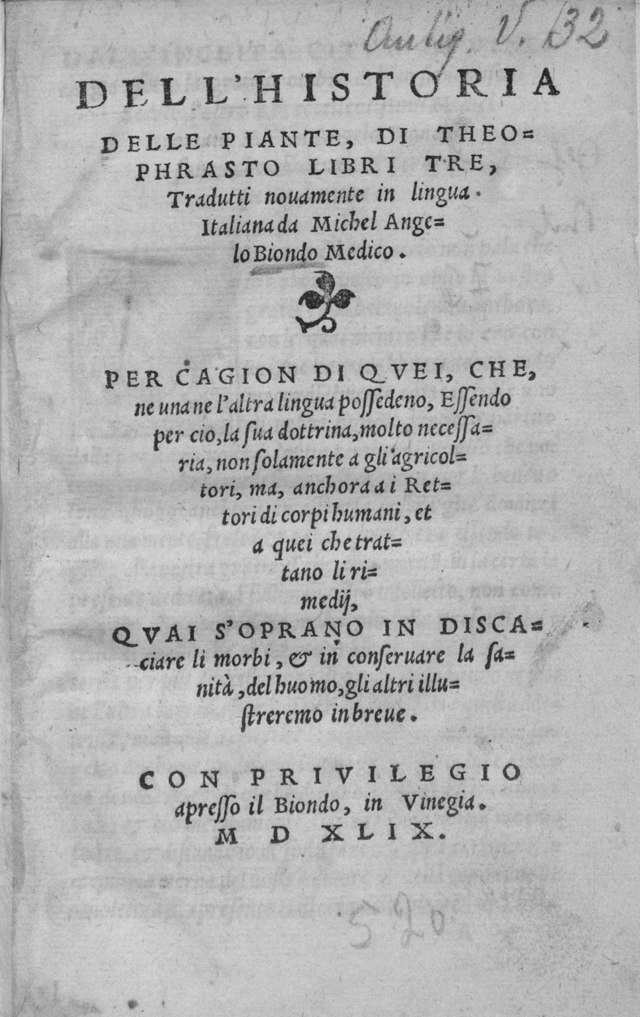
Frontispiece to the illustrated 1644 edition of the Enquiry into Plants (Historia Plantarum)

Theophrastus, depicted as a medieval scholar in the Nuremberg Chronicle

Aristotle

The bust inscribed "Θεόφραστος Μελάντα Ἐρέσιος (Theophrastos Melanta Eresios)"

Opera omnia, 1613
🏝️ Biography
Theophrastus was born in Eresos, a small town on the island of Lesbos, Greece. 🏝️ He became a student of the famous philosopher Aristotle at the Lyceum, a school in Athens. After Aristotle died, Theophrastus took over the school and taught many students about plants, animals, and ethics. His teaching lasted for over 30 years! 🌱Theophrastus wrote many books, and his most famous works are "Enquiry into Plants" and "On the Causes of Plants." He loved nature and wanted to share his discoveries with everyone, making him an essential figure in ancient science.
Go deeper🌻 Fun Facts
Did you know that Theophrastus loved plants so much that he probably spent more time outside in gardens than most kids do today? 🌻He was fascinated by how plants could grow in different ways and in various environments. When Theophrastus was young, he might have ventured through the beautiful countryside of Greece! His birthday is celebrated on June 14th, and there is even a plant named after him called "Theophrastus' Fern"! 🌿Next time you see a plant, remember that Theophrastus taught us so much about the wonders of nature! 🌼
Go deeper🌿 Botanical Studies
One of Theophrastus's greatest achievements was his study of plants. 🌿He categorized them into trees, shrubs, and herbs. His observations led to a better understanding of plant growth, reproduction, and care. He also introduced the idea of using medicinal plants for healing. 📚Theophrastus classified plants by their leaves, flowers, and seeds. He wrote about plants like the rose and the olive tree, explaining their uses and importance. Thanks to his work, botany became a respected science! His methods helped future generations understand and appreciate the plant kingdom much more. 🌸
Go deeper🤔 Ethics And Morality
In addition to studying plants, Theophrastus thought a lot about ethics and morality. 🤔He believed that being virtuous was essential for living a good life. He discussed concepts like kindness, honesty, and friendship in his writings. He wanted people to treat each other well and live in harmony with nature. He realized that how we treat our environment affects our happiness and well-being, which is a lesson we can still learn today! 🌎His ideas about ethics influenced many later thinkers and philosophers throughout history.
Go deeper📖 Theophrastus' Works
Theophrastus wrote several important books during his life. 📖His most famous works are "Enquiry into Plants" and "On the Causes of Plants." In "Enquiry into Plants," he grouped plants based on their characteristics and uses. In "On the Causes of Plants," he explained how plants grow and reproduce. 📚These writings became the foundation of botany for centuries! His texts were studied by scholars, and many were translated into different languages. Theophrastus' works remain significant, allowing us to understand how plants interact with humans and the environment today. 🌱
Go deeper🌟 Reception And Legacy
Theophrastus' contributions to science and philosophy have left a lasting legacy. 🌟His ideas laid the groundwork for modern botany and influenced many naturalists and scientists for generations. Institutions around the world honored him, and his work is still taught in schools! 📜His name is mentioned in botanical classifications today, making him a true pioneer of plant studies. Theophrastus is celebrated for combining practical knowledge with deep thinking, reminding us of the importance of understanding nature. 🌍Students and scientists still read his works, ensuring his legacy lives on!
Go deeper🌼 Influence On Later Thinkers
Theophrastus' work inspired many scientists, philosophers, and botanists after him. 🌼His ideas and teachings influenced famous thinkers like Pliny the Elder and Dioscorides, who continued studying plants and nature. His emphasis on observation and classification changed how people approached the study of science. 🌟Even in the Middle Ages and the Renaissance, his works remained important. Many people respected him for how he combined philosophy and science, creating a curiosity that would shape many future discoveries in various fields, especially botany! 🌷
Go deeper🧠 Philosophical Contributions
Theophrastus was not just a scientist; he was also a philosopher! 🧠He believed in observing nature to understand it better. He thought everything in the world had its own purpose, a bit like how each animal and plant plays a role in an ecosystem. He contributed to many fields, including ethics and metaphysics, which is about understanding existence. He taught that people should live in harmony with nature to be truly happy. 🌼His ideas on how we should treat plants and animals still resonate today, reminding us to care for our environment!
Go deeper