All Articles

The Magic Flute

The Magic Flute Facts For Kids

'The Magic Flute' is a famous opera by Mozart that weaves a magical tale of love, wisdom, and adventure through music and enchanting characters.
🎨 Reading age for 6-8
Background blob
The Magic Flute
Facts for Kids!

Do more with AI

Introduction

"The Magic Flute" (Die Zauberflöte) is a beautiful opera written by Wolfgang Amadeus Mozart in 1791. 🎶This musical story is filled with magic, adventure, and friendship! It's a special kind of show that combines singing and acting. The opera is performed around the world and teaches us about good and evil. The main character, Tamino, goes on a journey to rescue Pamina, a princess. "The Magic Flute" is famous for its catchy melodies and colorful characters. 🌟Did you know that even though it's over 200 years old, kids and adults still love to watch it today?

Images of The Magic Flute

Emanuel Schikaneder, librettist of Die Zauberflöte, as Papageno

Emanuel Schikaneder, librettist of Die Zauberflöte, as Papageno

Baritone Markus Werba appearing as Papageno. He wears his pipes and carries his magic bells; both instruments are essential to the plot.Image by Luigi Caputo, licensed under Creative Commons Attribution 3.0

Baritone Markus Werba appearing as Papageno. He wears his pipes and carries his magic bells; both instruments are essential to the plot.

Playbill for the premiere[c]

Playbill for the premiere[c]

Libretto cover design by Peter Hoffer, 1959. From the opening scene: the Three Ladies, with Tamino in the distance, standing before a pyramid.Image by Peter Hoffer, licensed under Creative Commons Attribution-Share Alike 4.0

Libretto cover design by Peter Hoffer, 1959. From the opening scene: the Three Ladies, with Tamino in the distance, standing before a pyramid.

Pamina (Tiffany Speight) and Papageno (Richard Burkhard) sing "Bei Männern, welche Liebe fühlen" in a 2006 New Zealand Opera productionImage by Neil Mackenzie / NZOpera, licensed under Creative Commons Attribution-Share Alike 4.0

Pamina (Tiffany Speight) and Papageno (Richard Burkhard) sing "Bei Männern, welche Liebe fühlen" in a 2006 New Zealand Opera production

Tamino charms the animals with his flute.Image by Neil Mackenzie / NZOpera, licensed under Creative Commons Attribution-Share Alike 4.0

Tamino charms the animals with his flute.

Arrival of Sarastro on a chariot pulled by lions, from a 1793 production in Brno. Pamina appears at left, Papageno at right. In the background are the temples of Wisdom, Reason, and Nature.

Arrival of Sarastro on a chariot pulled by lions, from a 1793 production in Brno. Pamina appears at left, Papageno at right. In the background are the temples of Wisdom, Reason, and Nature.

Papagena as imagined by Jacques Drésa for a 1922 performance

Papagena as imagined by Jacques Drésa for a 1922 performance

Tamino and Pamina undergo their final trial; watercolor by Max Slevogt (1868–1932)

Tamino and Pamina undergo their final trial; watercolor by Max Slevogt (1868–1932)

Plot Summary

The story begins with a handsome prince named Tamino, who sees a picture of the beautiful Pamina and falls in love. ❤️ He decides to save her from the evil sorcerer, Sarastro! Tamino gets a magical flute that helps him on his journey, and he meets a funny bird-catcher named Papageno. 🐦Together, they face challenges, meet interesting characters, and find new friends. In the end, they discover that love and friendship are more powerful than evil. Tamino and Pamina prove their bravery and wisdom to join the enlightened world of Sarastro and live happily ever after!

Production History

Since its first performance in 1791, "The Magic Flute" has been staged countless times! 🎭Each production adds unique touches, like different sets and costumes. The opera is often performed in large theaters with special effects to bring the magic to life! 🎆Sometimes, it is presented for families, making it accessible and fun for kids and parents alike. Additionally, many famous opera companies, like the Metropolitan Opera in New York City, have shared their versions with the world. Many musicians and performers consider it a masterpiece and continue to uphold its rich traditions!

Notable Performances

Over the years, several notable performances of "The Magic Flute" have captured audiences! 🎉For instance, the Bavarian State Opera and the Salzburg Festival are famous for their spectacular productions. In 2006, a unique version was performed in a puppet theater, making it fun for kids! 🎭Artists like conductor Nikolaus Harnoncourt and soprano Diana Damrau have gained fame for their outstanding performances. In 2018, a stunning open-air performance in Vienna wowed thousands of attendees! Each production showcases different interpretations, keeping the opera fresh and exciting for audiences everywhere! 🌟

Themes And Symbolism

"The Magic Flute" is packed with important ideas! ✨One major theme is the struggle between good and evil. Tamino and Pamina represent goodness, while the Queen of the Night symbolizes darkness. The opera also explores love, friendship, and the journey to wisdom. For example, Tamino must face challenges to prove his bravery and worthiness! 🎇The magic flute itself symbolizes the power of music and the ability to overcome obstacles. The opera encourages people to learn, grow, and choose the right path in life through bravery and knowledge!

Cultural Significance

"The Magic Flute" is a significant part of the world's cultural heritage. 🌍It's celebrated for its beautiful music and meaningful messages. Schools often introduce young students to the opera as a way to explore music, theater, and art! 🎨It even helps kids learn about opera and classical music in a fun way. Many people use it to teach themes like friendship, courage, and wisdom. The opera encourages children to listen and appreciate music, making it a timeless piece that connects generations through its magical story and melodies!

Adaptations And Influence

"The Magic Flute" has inspired many adaptations in other art forms! 🎨There are movies, cartoons, and even puppet shows based on the opera. Many famous musicians and singers have performed its music, helping to keep it alive! 🎤Some adaptations reimagine the story in modern settings or change the characters slightly. Children’s books and animated films have also been created to introduce the tale to young readers. By reaching out to different audiences, the story continues to enchant new generations and teach them valuable lessons about love and bravery!

Characters And Their Roles

1. Tamino: The brave prince who wants to rescue Pamina. 💪
2. Pamina: The beautiful princess who needs saving. 👸
3. Papageno: The comic bird-catcher who adds humor and friendship. 🐦
4. Sarastro: The wise leader who believes in truth and love. 🌞
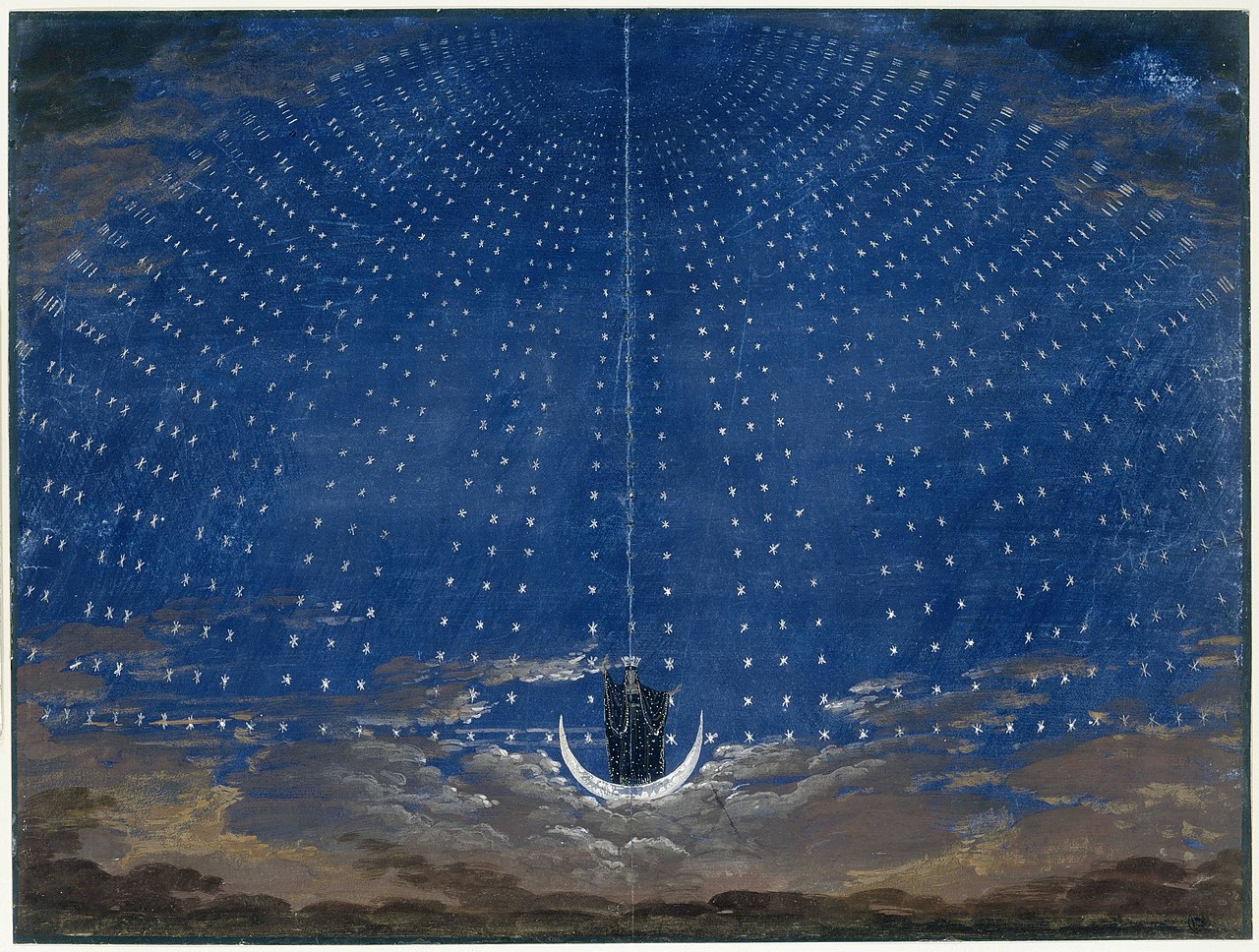
5. Queen of the Night: Pamina’s mother who represents darkness and challenges. 🌙
These characters all play important roles in helping the story reveal its messages about courage, loyalty, and the importance of knowledge. Their interactions make the opera exciting and meaningful!

Background Of The Magic Flute

Wolfgang Amadeus Mozart was born in Salzburg, Austria, in 1756. 🎼He wrote "The Magic Flute" just before he died in 1791. The opera was first performed in Vienna, Austria, on September 30, 1791. Mozart collaborated with a man named Emanuel Schikaneder, who wrote the words or "libretto." The show quickly became popular because it mixed fun and serious themes! 🎭It’s a Singspiel, which means it has both singing and spoken parts. Many people believe it symbolizes the fight between darkness and light, making it very special in the world of opera!

Musical Composition And Style

Mozart’s music in "The Magic Flute" is famous for its variety! 🎶There are sweet melodies, thrilling duets, and magical moments. The most famous song is the Queen of the Night's aria, which has very high notes! 🎤The music combines classical orchestration with folk elements, making it special. Each character has their own musical style, reflecting their personality. For example, Papageno's tunes are light and playful, while Sarastro’s music is deeper and stronger. 🎻The opera teaches us how music can tell a story without words, making it a delightful experience for everyone!

Reception And Historical Context

When "The Magic Flute" first premiered, it was loved by everyone in Vienna! 🎉People enjoyed its mix of comedy, drama, and beautiful music. It came out during the Enlightenment, a time when many new ideas were being shared about freedom and equality. Mozart’s opera represented these ideas, providing hope and joy. Over the years, it has been translated into many languages and performed worldwide 🌎! Today, it’s one of the most performed operas ever. People of all ages appreciate its magic and lessons in music theatres everywhere!

The Magic Flute Quiz

Q1
Question 1 of 10

Learn more about The Magic Flute

Ready to create?

Make

To create a safe space for kid creators worldwide!

Create

Vibe Coding

Kids GPT

All Tools

Kibu

Resources

Worksheets

SafeTube

Blog

FAQ

Account

Pricing

Log-in

Sign-up

Data Deletion

Company

About

Community Guidelines

Privacy Policy

Terms of Service

2025, URSOR LIMITED. All rights reserved. DIY is in no way affiliated with Minecraft™, Mojang, Microsoft, Roblox™ or YouTube. LEGO® is a trademark of the LEGO® Group which does not sponsor, endorse or authorize this website or event. Made with love in San Francisco.