The House Of The Spirits Facts For Kids
The House of the Spirits is a multi-generational saga that intertwines love, magic, and the political turmoil of Chile, primarily focusing on the lives of the Trueba family.
Select reading age
The House Of The Spirits Facts For Kids
Videos & Quizzesincluded
About this topic
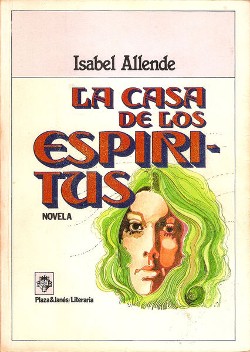
"The House of the Spirits" is a famous book by Isabel Allende, published in 1982. 🌎It tells the story of several generations of a Chilean family, blending magic, history, and real-life events. The novel explores themes of family, love, and political conflict. It’s set in Chile and features both magical and realistic elements, making it a unique read. 📚The book has been translated into many languages, making it accessible to readers all around the world. It is popular for its strong female characters and vivid storytelling, inviting readers to understand complex emotions and history.
Explore with ChatDinoKey Points
"The House of the Spirits" has been adapted into a movie!
The story focuses on the Trueba family, particularly Clara, a girl with magical powers, and her husband, Esteban, who is a wealthy landowner.
"The House of the Spirits" has influenced many readers and writers around the world.
The main characters of "The House of the Spirits" include Clara and Esteban Trueba.
"The House of the Spirits" received much praise after its release.
The story is set during significant times in Chile’s history, including the early 20th century and the military coup of 1973.
One of the main themes of the story is the connection between family and history.
Isabel Allende was born on August 2, 1942, in Lima, Peru, but spent much of her life in Chile.
🎬 Adaptations
"The House of the Spirits" has been adapted into a movie! 🎬In 1993, the film featured a star-studded cast, including Meryl Streep as Clara and Jeremy Irons as Esteban. The movie tried to capture the essence of the book but condensed the story due to time constraints. While some fans of the book enjoyed the film's visuals and performances, others felt it couldn't fully express Allende's deep storytelling. 📚These adaptations show how powerful stories can transition to different mediums and reach new audiences, keeping the tale alive for many generations.
Go deeper💖 Plot Summary
The story focuses on the Trueba family, particularly Clara, a girl with magical powers, and her husband, Esteban, who is a wealthy landowner. 💖Clara can see spirits, and her amazing abilities bring magic into her family’s life. As they grow up, the family faces many challenges, including love, loss, and political struggles in Chile. 🌹The plot spans many years, showing how different generations change and grow. The magical parts of the story teach us about hope and courage while the historical context reveals important events in Chile’s past.
Go deeper🌏 Cultural Impact
"The House of the Spirits" has influenced many readers and writers around the world. 🌏It introduced many to the power of magical realism, a style that mixes real-life events with fantastic elements. The book has been taught in schools globally, helping students understand issues like family, power, and history. 🎓It's also inspired art, theatre, and film, making it a vital part of culture. Readers admire how it emphasizes the strength of women, encouraging people to think about social issues. Its impact continues to resonate in literature and beyond.
Go deeper🌼 Main Characters
The main characters of "The House of the Spirits" include Clara and Esteban Trueba. Clara 🌼 is kind and has the power to communicate with spirits. Esteban is a strong man with dreams of wealth but often becomes harsh. Other important characters are Blanca, their rebellious daughter, and Alba, their granddaughter, who stands up for justice. 🕊️ Each character represents different values and has their own dreams, which shapes the family's journey through time. Together, they create a rich tapestry of love, conflict, and resilience, making the story more engaging.
Go deeper📣 Critical Reception
"The House of the Spirits" received much praise after its release. 📣Readers appreciated Isabel Allende’s imaginative storytelling, rich characters, and emotional depth. Critics noted how the book blends magical realism with important social issues. It has won several awards and has been recognized as a significant work in Latin American literature. 🥇Many consider it a modern classic. Readers from different backgrounds find lessons on love, family, and resilience in its pages. The book remains popular in schools and among readers of all ages to this day.
Go deeper🎖️ Historical Context
The story is set during significant times in Chile’s history, including the early 20th century and the military coup of 1973. 🎖️ Isabel Allende paints a picture of the struggles faced by the people of Chile, including social inequalities and political upheaval. The characters' experiences reflect real historical events, teaching readers about the importance of understanding one’s culture and past. ⚔️ The book serves as a powerful reminder of the struggles for freedom and equality, making it not only a beautiful story but also a significant historical narrative.
Go deeper🌟 Themes And Symbols
One of the main themes of the story is the connection between family and history. 🌟The Trueba family’s experiences show how our past affects our future. The book also explores love, power, and social justice. Symbols, such as Clara's clairvoyance, represent hope and change. The house itself symbolizes both comfort and conflict, capturing the family’s struggles. 🌈These themes encourage readers to think about their own families and challenges. The blending of magic and reality reminds us that life is often filled with both extraordinary and everyday events.
Go deeper📖 Author's Background
Isabel Allende was born on August 2, 1942, in Lima, Peru, but spent much of her life in Chile. 📖As a young girl, she loved reading and storytelling, which inspired her to become a writer. After a military coup in Chile, she moved to Venezuela, where she wrote "The House of the Spirits." 🌍 Her experiences with family and history significantly influence her writing. Allende is known for her strong female characters and themes of resilience, making her one of the most important authors in Latin America. She continues to write inspiring stories.
Go deeper