Teutons Facts For Kids
The Teutons were an ancient northern European tribe known for their warrior culture and battles against the Roman Empire.
Select reading age
Teutons Facts For Kids
Videos & Quizzesincluded
About this topic
The Teutons were an ancient tribe from northern Europe, mostly living in what we now call Germany. 🌍They were known for being fierce warriors and good at trade. The Teutons traveled a lot and even fought against the Romans! These encounters happened over 2,000 years ago. 📅While they’re not as famous as the Romans, the Teutons played an important role in history. They were part of a larger group called the Germanic tribes and contributed to the culture that shaped Europe! Their story is filled with adventures, battles, and changes that impacted many.
Explore with ChatDinoKey Points
The Teutons likely originated from Northern Europe, especially in areas around modern-day Denmark and Germany.
Archaeologists have found many cool things that tell us about the Teutons!
One important event for the Teutons was the Battle of Arausio in 105 BC.
During the Migration Period, around 300-700 AD, many tribes, including the Teutons, moved to new lands.
During the time of the Teutons, Europe was a very different place.
The Teutons and Romans met during exciting times in history!
The Teutons were skilled fighters!
Stories about the Teutons sometimes mix history with myths.
Even though the Teutons aren’t as well-known today, they still impact modern Europe!
The Teutons spoke an early Germanic language, which later influenced many modern languages!
🏞️ Origin Of The Teutons
The Teutons likely originated from Northern Europe, especially in areas around modern-day Denmark and Germany. 🏞️ They first appeared in history around the 2nd century BC. Ancient Greek and Roman writers described them as a strong and proud people who spoke a language similar to other Germanic tribes. They might have called themselves "Teutones." 📜 The name "Teuton" comes from the Latin word used by historians like Julius Caesar. Over time, they moved southward and settled in various areas, mixing with other tribes. This migration played a big part in their history!
Go deeper🔎 Archaeological Discoveries
Archaeologists have found many cool things that tell us about the Teutons! 🔎They often excavate old battle sites, villages, and burial mounds. In places like modern-day France and Switzerland, artifacts like weapons and pottery show how the Teutons lived and fought. 🏺These discoveries help us learn about their daily life, beliefs, and connections with other tribes. The tools and items found give important clues about the Teutons' culture. Archaeology helps us piece together their story, and every discovery is like finding a treasure from the past! 💎
Go deeper🌟 Significant Battles And Events
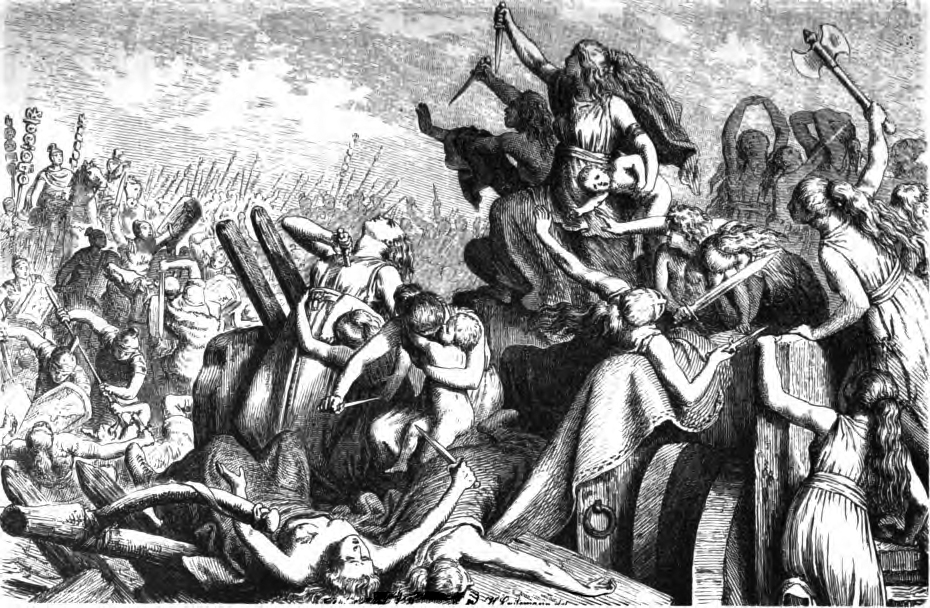
One important event for the Teutons was the Battle of Arausio in 105 BC. This battle was between the Teutons, their allies, and the Romans, led by Gaius Marius. 🌟Sadly for the Teutons, they lost badly! This was one of the worst defeats for the Romans, too. The Teutons and their allies fought bravely but faced many challenges. After losing, they had to move and find a new home. 🏕️ Their story continued, though, as they became known for their fierce spirit in history books and were part of the bigger story of Europe!
Go deeper🌐 The Teutons And Migration Period
During the Migration Period, around 300-700 AD, many tribes, including the Teutons, moved to new lands. 🌐This was a time of great change in Europe. The Teutons left their original homes in search of better farming land and safety. They were part of larger movements that included other tribes like the Ostrogoths and Visigoths. 🏹The migrations led to the creation of new kingdoms and cultures! Even though the Teutons changed, they continued to leave their mark on Europe, influencing languages, traditions, and the course of history.
Go deeper📈 Historical Context And Settlement
During the time of the Teutons, Europe was a very different place. The Romans were expanding their empire, and they wanted to conquer new lands. 📈While the Romans built towns and roads, the Teutons lived in smaller villages, focusing on farming and herding animals like sheep and cattle. 🐏In the 2nd century BC, they settled in present-day northern Italy, especially around the cities of Cisalpine Gaul and Helvetii. They lived near other tribes, so there was trade and interaction, but there were also conflicts! 🗡️ The changes in their land affected their culture and way of life.
Go deeper🎉 Interaction With The Roman Empire
The Teutons and Romans met during exciting times in history! 🎉At first, the Romans considered the Teutons as fierce enemies. They fought against the Roman general Gaius Marius in 102 BC during the Battle of Aquae Sextiae. The Romans were really powerful, and this battle was crucial for both sides! The Teutons lost and were forced to flee, but they still interacted with Romans through trade and peace treaties. 🏺Although the Romans wanted to conquer tribes like the Teutons, they also learned from them. This helped shape the future of Europe!
Go deeper⚔️ Military Organization And Culture
The Teutons were skilled fighters! They organized themselves into different warrior groups, which helped them in battles. ⚔️ Each soldier carried weapons like swords and shields, and they wore armor made from leather and iron. They practiced fighting to stay strong and brave. The Teutons valued courage and teamwork. 🛡️ Besides fighting, they had rich traditions and rituals. They worshiped many gods, celebrating nature and fighting. These cultural practices helped unite the Teutons as a tribe, and they passed these stories down through generations, creating a sense of belonging!
Go deeper🌌 Myths And Historical Interpretations
Stories about the Teutons sometimes mix history with myths. 🌌Ancient writers, like Tacitus and Caesar, described the Teutons, but their accounts can be tricky to read. Sometimes facts blur with stories full of adventure! The Teutons were depicted as brave warriors who valued freedom and nature, but some tales may be exaggerated. 📖Today, historians carefully study these writings and archaeological finds to create a clearer picture of the Teutons. Understanding myths helps us learn about human behavior and how cultures view their own history. Stories from long ago shape our understanding of who we are!
Go deeper🌟 Legacy And Influence On Modern Europe
Even though the Teutons aren’t as well-known today, they still impact modern Europe! 🌟Their story of adventure, warfare, and culture lived on through tales from ancient writers. The Teutons contributed to the Germanic cultures that shaped Germany and neighboring countries. This influence is seen in languages spoken today, including German and English! 📚Their bravery and organization helped inspire later people, and their legacy remains a fascinating part of European history. Learning about them helps us understand how our past shapes our present and future!
Go deeper🗣️ Linguistic And Cultural Contributions
The Teutons spoke an early Germanic language, which later influenced many modern languages! 🗣️ Words and names from their language can still be found today. For example, some names of places in Germany date back to when the Teutons lived there. Their culture also included storytelling, art, and beliefs connected to nature. 🎨Many words related to war, family, and gods emerged from their traditions. Cultural practices like bravery in battle and respect for nature shaped how their stories were told over time. 🌳Today, we continue to study their connections to better understand our own language and culture!
Go deeper