Terrestrial Planet Facts For Kids
Terrestrial planets are rocky worlds made mainly of silicate and metals, and include Mercury, Venus, Earth, and Mars.
Select reading age
Terrestrial Planet Facts For Kids
Videos & Quizzesincluded
About this topic
A terrestrial planet is a special type of planet that is primarily made of rock and metal. 🌍Our Solar System has four terrestrial planets: Mercury, Venus, Earth, and Mars! They all have solid surfaces and are much smaller than gas giants like Jupiter and Saturn. Terrestrial planets usually have a variety of landscapes like mountains, valleys, and craters! They also orbit the Sun, which is a huge ball of fire and light located at the center of our Solar System. 🌞Isn't it exciting to think about all the different types of planets we can explore?
Explore with ChatDinoKey Points
The future looks bright for exploring terrestrial planets!
Life as we know it exists only on Earth, but scientists wonder if life could exist on other terrestrial planets!
The atmosphere is the layer of gases surrounding a planet, and each terrestrial planet has a different one!
Humans have sent many missions to explore the terrestrial planets!
Terrestrial planets have inspired myths and stories in many cultures!
Let's compare our four terrestrial planets!
Terrestrial planets share some cool features!
Did you know that not all terrestrial planets have moons or rings?
Every terrestrial planet has its own unique geological features!
Terrestrial planets formed over 4.5 billion years ago!
Photos of Terrestrial Planet

Terrestrial Planet — photo 1

Terrestrial Planet — photo 2

Terrestrial Planet — photo 3

Relative masses of the terrestrial planets of the Solar System, and the Moon (shown here as Luna)

The inner planets (sizes to scale). From left to right: Earth, Mars, Venus and Mercury.

Sizes of Kepler planet candidates based on 2,740 candidates orbiting 2,036 stars as of 4 November 2013 (NASA)

Artist's impression of a carbon planet

Geysers erupting on Enceladus
🚀 Future Exploration Missions
The future looks bright for exploring terrestrial planets! 🚀NASA and other space agencies have exciting plans! For Mars, the Mars Sample Return mission will bring back rocks for study. 🌌A mission called DAVINCI+ will explore Venus and its atmosphere to understand how it became so harsh. For Mercury, BepiColombo is on its way to study its surface and magnetic field! 🪐Young scientists can dream big; they might be part of missions to uncover the secrets of these mysterious planets in the future! The universe is full of wonders just waiting to be discovered! 🛸
Go deeper🌱 Habitability And Life Potential
Life as we know it exists only on Earth, but scientists wonder if life could exist on other terrestrial planets! 🌱Conditions like water, temperature, and atmosphere are essential for life. Earth has all the right ingredients, with abundant water and a friendly climate. Mars has evidence of water flowing in the past and is a focus for scientists searching for potential microbial life. 🦠Venus may seem too hot, but some researchers suggest it could have life in its upper atmosphere! The search for extraterrestrial life keeps scientists excited and curious about what else might exist in our universe! ✨
Go deeper🌬️ Atmospheres Of Terrestrial Planets
The atmosphere is the layer of gases surrounding a planet, and each terrestrial planet has a different one! 🌬️ Mercury has a super thin atmosphere, almost non-existent, so it experiences extreme temperatures. Venus has a very thick and toxic atmosphere filled with carbon dioxide and sulfuric acid, making it the hottest planet. 🌫️ Earth has a perfect balance of oxygen and nitrogen, supporting life. 🌎Mars has a thin atmosphere composed mostly of carbon dioxide, making it cold and windy. These atmospheres help protect the planets and give clues about the conditions on each one!
Go deeper🚀 Exploration Of Terrestrial Planets
Humans have sent many missions to explore the terrestrial planets! 🚀The first spacecraft to visit Venus was Mariner 2 in 1962, providing vital information about its atmosphere. For Mars, there have been many missions, like the Mars Rover Perseverance, which is currently studying rocks and searching for signs of life. 🦾For Earth, astronauts have traveled to space and lived on the International Space Station, conducting experiments. 🌠Mercury was explored by the MESSENGER spacecraft, giving us amazing pictures and data. Future missions are planned to learn more about these fascinating planets!
Go deeper🌟 Mythology And Cultural Significance
Terrestrial planets have inspired myths and stories in many cultures! 🌟The Romans named planets after their gods, like Mars, the god of war, and Venus, the goddess of love. 🌺In ancient Greece, these planets were also linked to their deities. Earth has been important in many cultures as a nurturing mother. 🌍Many people now think about protecting our planet while exploring other worlds. Scientists study these planets not just for fun but to understand how our own Earth works in the universe! 🌌The stories and knowledge we learn help shape our understanding of the universe and our place in it.
Go deeper☀️ Comparison Of The Terrestrial Planets
Let's compare our four terrestrial planets! Mercury is the closest to the Sun and is super hot during the day but freezing at night! ☀️🌙 Venus is like Earth's twin but has a thick, toxic atmosphere making it very hot—around 900°F (475°C)! Earth is the only planet where life thrives, full of water and oxygen. 🌊💚 Lastly, Mars is known as the Red Planet and has the tallest volcano and the deepest canyon in the Solar System! 🏜️ By studying these planets, scientists learn more about our place in the universe!
Go deeper🪐 Characteristics Of Terrestrial Planets
Terrestrial planets share some cool features! 🪐First, they all have solid surfaces, unlike gas giants, which don’t have a real surface at all. Second, they are made mainly of rock and metals. 🌑Most terrestrial planets also have a core composed of iron. Earth is the only planet known to host life, with water and air, but the other planets have their unique characteristics, like Venus's thick clouds and Mercury's extreme temperatures! These planets are much closer to the Sun than gas giants and have shorter orbits, which makes them interesting to study!
Go deeper🌑 Moons And Rings Of Terrestrial Planets
Did you know that not all terrestrial planets have moons or rings? 🌑Earth has one moon, which affects our tides and has been explored by astronauts! 🌙Mars has two small moons named Phobos and Deimos. They are tiny and look like potatoes! 🥔Mercury and Venus don’t have any moons at all, and they also have no rings. Rings are usually found around gas giants like Saturn. Exploring moons helps scientists learn about the planets and their histories, as each moon has its own unique features!
Go deeper🌋 Geological Features Of Terrestrial Planets
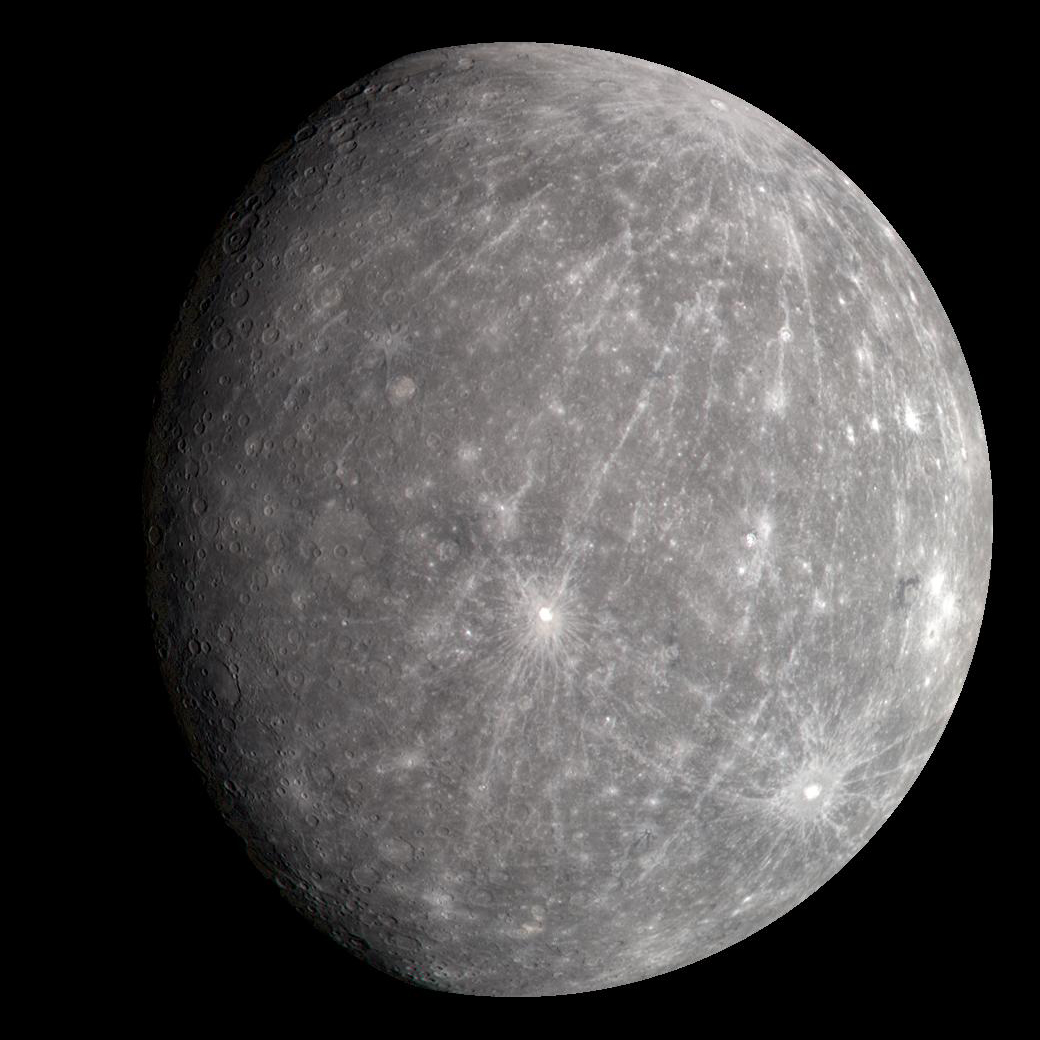
Every terrestrial planet has its own unique geological features! 🌋Mercury has many craters caused by space rocks colliding with it, while Venus has large volcanic mountains like Maat Mons. 🌄Earth has mountains, rivers, and oceans—a perfect mix for life! 🏞️ Mars is famous for its giant volcanoes like Olympus Mons and a deep canyon called Valles Marineris. 🏜️ These features tell a story about each planet's history, including volcanic activity, erosion, and even water flow! Scientists use space missions and telescopes to study these amazing surfaces!
Go deeper🌌 Formation And Evolution Of Terrestrial Planets
Terrestrial planets formed over 4.5 billion years ago! 🌌They started as dust and gas floating in space, coming together through gravity to create rocks and metals. The process was kind of like building a snowman! ☃️ Over millions of years, these planets cooled down, solidified, and formed their surfaces. Impacts from other space rocks shaped their features too! 🚀Mars and Venus have gone through many changes, while Earth is still evolving with oceans, rivers, and life. Scientists study these processes to understand how our planets began and changed over time!
Go deeper