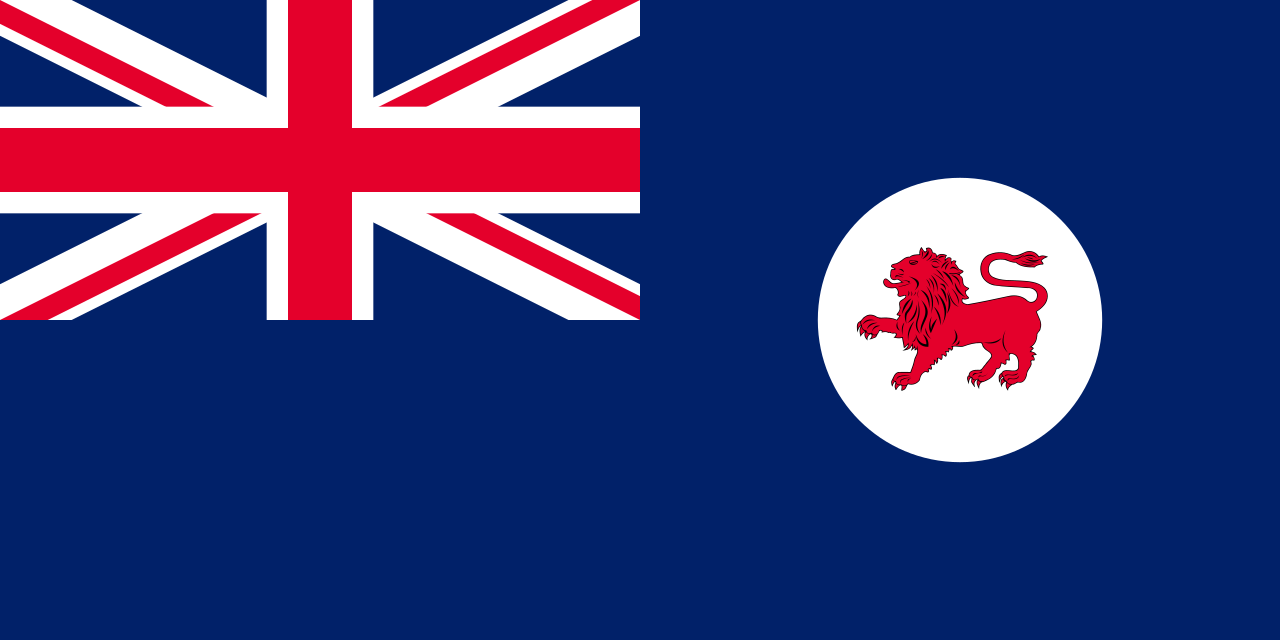
Tasmania is a beautiful island state of Australia! π¦It is located south of the mainland, separated by the Bass Strait. Tasmania is known for its stunning landscapes, unique wildlife, and friendly cities. The capital city is Hobart, where many people live and work. Other important cities include Launceston, Burnie, and Devonport. Tasmania is home to around 540,000 people, and most of them enjoy outdoor activities like hiking, fishing, and exploring nature. π²The island has a rich culture and history, making it a fascinating place to learn about!
Tessellated pavement, a rare rock formation on the Tasman Peninsula
1807 engraving by French explorer Charles Alexandre Lesueur shows seafaring Aboriginal people and a large canoe on the eastern shore of Schouten Island.
Tasmania is named after Dutch explorer Abel Tasman, the first European to sight the island, in 1642.
Painting by John Glover of Mount Wellington and Hobart, 1834
Painting of a Tasmanian Aboriginal throwing a spear, 1838
Four elderly full-blood Tasmanian Aboriginal people, c. 1860s. Truganini, for many years claimed to be the last full-blood Aboriginal person to survive, is seated far right.
A convict ploughing team breaking up new ground at the farm at Port Arthur
Tasmania is famous for its unique animals and plants! πΏOne of the most well-known animals is the Tasmanian devil, a carnivorous marsupial. There are also cute creatures like the Eastern grey kangaroo and the echidna. π¦Tasmania is home to over 1,500 plant species and beautiful national parks. Some amazing plants include the Tasmanian blue gum and the giant ferns found in the rainforest. This diverse environment provides habitats for many animals, making it an important place for nature lovers.
Tasmania has a vibrant culture, blending Indigenous and European influences! π¨Aboriginal art is celebrated, showcasing the Palawa people's creativity and history. Many festivals happen throughout the year, including the Ten Days on the Island arts festival and the Taste of Tasmania food festival. πMusic, dance, and storytelling are important to their traditions, helping preserve their rich history. You can find many local artisans creating unique crafts, pottery, and textiles. Visitors to Tasmania can learn and appreciate this wonderful culture!
Tasmania's economy is based on various industries! ποΈ Agriculture plays a big role, with famous products like apples, salmon, and wine. Tasmania has some of the best seafood in Australia, thanks to its clean waters. The state also has mining and forestry, providing jobs for many locals. ποΈ Tourism is essential too, as people come to explore national parks and beautiful coastlines. From the bustling city of Hobart to the scenic views in Launceston, Tasmania offers tons of fun for visitors and residents alike!
Tasmania is known for its diverse geography! πIt has mountains, forests, and beaches that make it a special place to explore. The highest point is Mount Ossa, reaching 1,617 meters (5,305 feet) tall! Tasmania has a temperate maritime climate, which means it enjoys mild summers and cool winters. βοΈβοΈ It also gets a lot of rain, especially in the winter months. Each city has its own charm: Hobart by the stunning Derwent River, Launceston surrounded by hills, and Burnie located by the coast.
Tasmania values education and research a lot! πThe University of Tasmania, located in Hobart and Launceston, offers various subjects to learn about. Schools on the island provide young students with opportunities to learn about its unique environment and history. There are several research centers focusing on marine studies, agriculture, and wildlife conservation. π¦Students often get involved in projects that help them understand and protect Tasmania's beautiful landscapes!
Tasmania is full of exciting places to visit! ποΈ In Hobart, you can explore the famous Salamanca Market, where you find delicious food and local art. The Museum of Old and New Art (MONA) is another cool spot in Hobart! Launcestonβs Cataract Gorge is perfect for adventure lovers with its hiking trails and stunning views. πAlso, beautiful national parks like Freycinet National Park and Cradle Mountain attract many tourists for their stunning scenery, wildlife, and outdoor activities like hiking, kayaking, and swimming. π£ββοΈ
The Aboriginal people have lived in Tasmania for tens of thousands of years. ποΈ They are known as the Palawa people and have a rich culture full of stories, art, and traditions. European explorers arrived in the 17th century, and British settlers came in the early 1800s. Tasmania was originally called Van Diemen's Land because it was a place for prisoners to be sent from Britain. βοΈ The island became known as Tasmania in 1856, named after Dutch explorer Abel Tasman who discovered it in 1642.
Tasmania is committed to protecting its unique environment. πMany national parks and reserves help preserve the island's special flora and fauna. Organizations work hard to save endangered species, like the Tasmanian devil. πΎLocal communities often participate in clean-up events and tree planting activities to keep their environment healthy. Education programs teach kids the importance of caring for nature, helping them grow into environmentally-friendly adults. Tasmania strives to maintain its beautiful landscapes for generations to come! π