Tartuffe Facts For Kids
Tartuffe is a comedic play by Molière that critiques religious hypocrisy through the story of a conman who deceives a wealthy man.
Select reading age
Tartuffe Facts For Kids
Videos & Quizzesincluded
About this topic
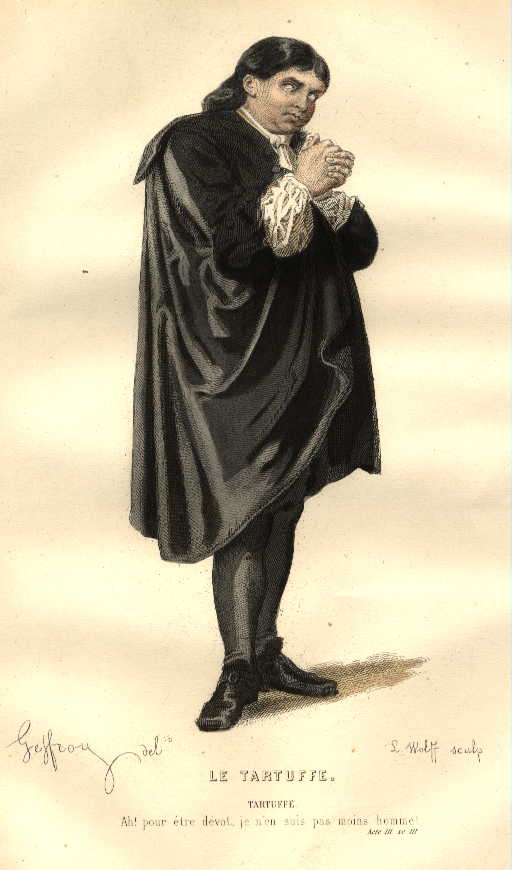
"Tartuffe" is a famous play written by French playwright Molière in 1664. 🎭The story takes place in Paris, France, and explores themes of deceit and trickery. Molière wanted to show how some people pretend to be good to trick others, especially in religion. The play tells the story of Orgon, a wealthy man who is fooled by Tartuffe, a con artist who pretends to be a pious and holy man. It’s a comedy, filled with clever dialogue and funny moments that teach important lessons about honesty and wisdom! 🌟
Explore with ChatDinoKey Points
"Tartuffe" has inspired many adaptations!
Orgon believes that Tartuffe is a truly virtuous man and wants to marry his daughter to him!
"Tartuffe" has several important themes!
The main character, Orgon, is very wealthy and easily fooled.
When "Tartuffe" first came out, it was both loved and hated!
Molière wrote "Tartuffe" in a time when France was ruled by King Louis XIV in the 17th century.
Molière premiered "Tartuffe" in 1664.
"Tartuffe" left a mark on literature and theater!
Photos of Tartuffe

Frontispiece and title page of Tartuffe or The Imposter from a 1739 collected edition of Molière's works in French and English, printed by John Watts. The engraving depicts the amoral Tartuffe being deceitfully seduced by Elmire, the wife of his host, Orgon who hides under a table.
🎬 Adaptations
"Tartuffe" has inspired many adaptations! 🎬People have put the play on stage in different languages and created films. One famous version is a 1984 film starring Molière himself! 🥳There are also modern reimaginings of the play, with new settings and characters. Some adaptations even set the story in schools or workplaces, making it relatable to today’s audience. 📚Each version keeps the original story but adds fresh twists, showing how timeless Molière's ideas are! "Tartuffe" continues to entertain and educate people around the world!
Go deeper😲 Plot Summary
Orgon believes that Tartuffe is a truly virtuous man and wants to marry his daughter to him! 😲Everyone in Orgon’s family knows that Tartuffe is a fraud. They think he is just pretending to be pious to take Orgon's money and house! As the story unfolds, Orgon's family tries to save him from Tartuffe's tricks. They plan to expose Tartuffe's true nature! 🙌In the end, the King’s officer helps them, and Tartuffe is punished. The lesson is that truth always comes out, and one should be careful about whom to trust!
Go deeper🎭 Themes And Motifs
"Tartuffe" has several important themes! One big theme is deceit. 🎭Tartuffe pretends to be good while being dishonest. Another theme is the danger of gullibility — Orgon believes Tartuffe without questioning him! This teaches us that we should think critically and not blindly follow someone just because they seem good. Lastly, the theme of family loyalty shines through; the family works together to protect one another from Tartuffe. These themes help us understand the importance of honesty and critical thinking in our lives! 🕵️
Go deeper😕 Character Analysis
The main character, Orgon, is very wealthy and easily fooled. He believes Tartuffe is great, ignoring his family's warnings. 😕His wife, Elmire, is smart and tries to reveal Tartuffe's tricks. The clever son, Damis, and daughter, Mariane, both want to protect their family. Tartuffe is the villain! He pretends to be religious but is selfish and greedy. In contrast, Dorine, the witty servant, uses her humor to help the family and show Tartuffe's true colors. Each character teaches us about trusting ourselves and being aware of those who may deceive us!
Go deeper😳 Critical Reception
When "Tartuffe" first came out, it was both loved and hated! Some people thought it was very funny and clever, while others were upset by the jokes about religion. 😳The King even had to step in to protect Molière, showing how important the play was. Over time, people began to appreciate the message about honesty more. Today, "Tartuffe" is considered a classic masterpiece of comedy! 🎉It has been performed all over the world, making audiences laugh while teaching them valuable lessons about truth and trust!
Go deeper🏰 Historical Context
Molière wrote "Tartuffe" in a time when France was ruled by King Louis XIV in the 17th century. 🏰Covert criticism of religion was risky, so Molière cleverly masked serious topics in comedy. Because of its religious themes, the play faced opposition from religious groups. Molière rewrote the play several times to reduce conflict. 🔄In 1669, after much anticipation, it was finally accepted, showing how courageous people can speak out against deceit. The play is a part of French literature and is still performed today, bringing history and comedy together for audiences! 🎉
Go deeper👑 Production History
Molière premiered "Tartuffe" in 1664. The play was presented at the court of King Louis XIV, a very important event! 👑Molière worked with the theater company "L'Illustre Théâtre" to bring the show to life. After facing criticism, he changed the play many times before it became accepted. 🥳The play’s first full performance was in 1669, becoming an instant success. Molière acted as Tartuffe himself and brought his characters to life with humor and wit. The production was a big part of French culture and is still celebrated today!
Go deeper🎭 Influence And Legacy
"Tartuffe" left a mark on literature and theater! 🎭Molière's clever writing style influenced many future playwrights, encouraging them to explore similar themes. The term "Tartuffe" has become a word to describe someone pretending to be good while being bad, showing the play’s lasting impact on language! 📖It also influenced comedy, as many modern films and shows take cues from Molière's style of mixing humor with deeper meaning. Today, "Tartuffe" is performed in schools, theaters, and even turned into musicals, teaching new generations lessons about honesty! 🌟
Go deeper