Tarragon Facts For Kids
Tarragon, also known as estragon, is a flavorful perennial herb in the Asteraceae family, popular in cooking and valued for potential health benefits.
Select reading age
Tarragon Facts For Kids
Videos & Quizzesincluded
About this topic
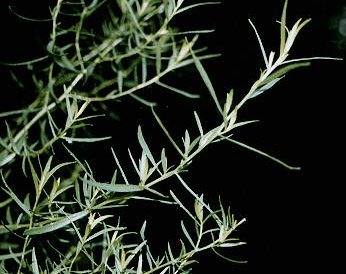
Tarragon, also called estragon, is a special herb that belongs to the Asteraceae family! 🌱This green plant is enjoyed around the world for its unique flavor. It is mostly found in Europe, especially France, where it is loved by chefs. Tarragon has long, narrow leaves that smell fresh and slightly sweet. It grows up to 3 feet tall and can live for many years. This makes it a wonderful plant for gardens! Some people even grow it indoors! 🏡If you’ve tasted French dishes, you might have already tried tarragon without knowing it!
Explore with ChatDinoKey Points
Tarragon is a superstar in the kitchen!
Tarragon is not just tasty; it’s healthy too!
If you want to grow your own tarragon, it’s super easy!
Tarragon has made its mark in culture!
Tarragon is a superstar in many recipes!
Tarragon is a perennial herb, meaning it can grow back year after year.
There are a few types of tarragon!
Tarragon has been around for a long time!
To keep tarragon fresh, you can store it in your fridge!
When growing tarragon, you may face a few pests!
Photos of Tarragon

Dried tarragon leaves
👩🍳 Culinary Uses
Tarragon is a superstar in the kitchen! 👩🍳👨🍳 It is often used to flavor delicious sauces, dressings, and dishes. For example, it is a key ingredient in the famous French sauce called Béarnaise. 📜People sprinkle tarragon on chicken, fish, and even vegetables to add a yummy taste. You can enjoy tarragon fresh, dried, or as a flavor in vinegar! 🍇The leaves can also be chopped up and used to make tasty salads. So, the next time you eat something delicious, it might just have a bit of tarragon in it!
Go deeper🥗 Health Benefits
Tarragon is not just tasty; it’s healthy too! 🥗It has vitamins and minerals that help our bodies. For example, it contains Vitamin C, which is good for our immune system, keeping us strong against colds! 🌈Tarragon also has antioxidants that protect our bodies from damaging cells. People have found that tarragon can help with digestion and may even help us feel better when we have an upset tummy! But remember, moderation is key! 🍽️ Eating a little tarragon in meals can be a fun and healthy choice!
Go deeper🌱 Growing Tarragon
If you want to grow your own tarragon, it’s super easy! 🌱First, find a sunny spot in your garden or even in a pot indoors. Make sure the soil drains well, as tarragon doesn’t like to sit in water! 💧Next, you can plant seeds or use cuttings from another tarragon plant. Water it regularly, but don’t overdo it! When the leaves start to grow, you can even pick them to use in cooking! 🌿With a little care, your tarragon plant will thrive and give you tasty leaves to enjoy in no time!
Go deeper🎨 Cultural References
Tarragon has made its mark in culture! 🎨In France, chefs often refer to tarragon as the "herb of the kings" because it's a favorite in French cooking! 👑This herb is often mentioned in books and movies about cooking and has even inspired famous dishes. In the Russian culture, there's a popular drink called “Tarkhuna,” made with tarragon that many people enjoy! 🥤So, next time you hear about tarragon, remember it’s not just a plant; it’s part of many fun traditions and stories around the world!
Go deeper🌟 Tarragon In Cuisine
Tarragon is a superstar in many recipes! 🌟French cuisine often uses it in dishes like chicken or seafood, adding a unique flavor that makes everything tastier. Some people use it in steaks, while others love it in creamy soups! 🍲You might also find tarragon in vinaigrettes, where it makes salads taste amazing. In Russia, they drink a fizzy tarragon soda that's refreshing on warm days! 🥤With its special taste, tarragon can bring out the best in many meals and make every bite more exciting!
Go deeper🌼 Botanical Description
Tarragon is a perennial herb, meaning it can grow back year after year. 🌼It has smooth, dark green leaves that are around 2-4 inches long. The plant is known for its tall stems that can have yellow-green flowers, but the flowers are not what we eat! Instead, people use the leaves because they are very aromatic. They contain special oils that make them flavorful. Don't be surprised if you see it growing in sunny spots and well-drained soil! ☀️🥕 It likes to visit gardens all around the world, especially in places like France and Asia.
Go deeper🌿 Varieties Of Tarragon
There are a few types of tarragon! The most popular is French tarragon, known for its strong flavor and aroma. 🇫🇷 There’s also Russian tarragon, which has a milder taste and is easier to grow, but can be less fragrant. 🌿Have you ever heard of faux tarragon? That’s the name for a plant that looks a lot like tarragon but doesn’t taste the same! 🪴Each variety brings its unique flavor to the table, so it’s fun to explore them all in recipes and find your favorite!
Go deeper🌟 Historical Significance
Tarragon has been around for a long time! It was used by ancient Greeks and Romans over 2,000 years ago. 🇬🇷🇮🇹 They believed that tarragon could help with digestion and also heal wounds. In Europe, tarragon was planted in gardens to bring good luck! 🌟By the Middle Ages, people were using tarragon in cooking and medicine. In Russia, it is called “tarhun” and is used to make a refreshing drink! 🍹This herb has been loved for many generations and continues to be popular today!
Go deeper🌬️ Storage And Preservation
To keep tarragon fresh, you can store it in your fridge! 🌬️ Place the leaves in a damp paper towel and put them in a plastic bag to keep them fresh for up to a week. If you have a lot, you can also dry the leaves! 🍃To dry tarragon, just hang the stems upside down in a dry place. Once it's fully dry, you can store it in an airtight container. 🌟Dried tarragon stays tasty for a long time and can be used in your meals whenever you want!
Go deeper🐛 Common Pests And Diseases
When growing tarragon, you may face a few pests! 🐛Aphids, little insects that can harm many plants, sometimes love to snack on tarragon. If you see them, you can wash them off with water. Another pest is the spider mite, which can make leaves look dry. 🌵To keep your tarragon happy, make sure it has enough water and sunlight! Also, be careful about overwatering, as too much water can cause root rot, which is bad for your plant! 🪴Keeping an eye on your tarragon means it can stay healthy and delicious!
Go deeper