Tarim River Facts For Kids
The Tarim River is a crucial waterway in Xinjiang, China, flowing through the Taklamakan Desert and supporting the region's agriculture and ecology.
Select reading age
Tarim River Facts For Kids
Videos & Quizzesincluded
About this topic
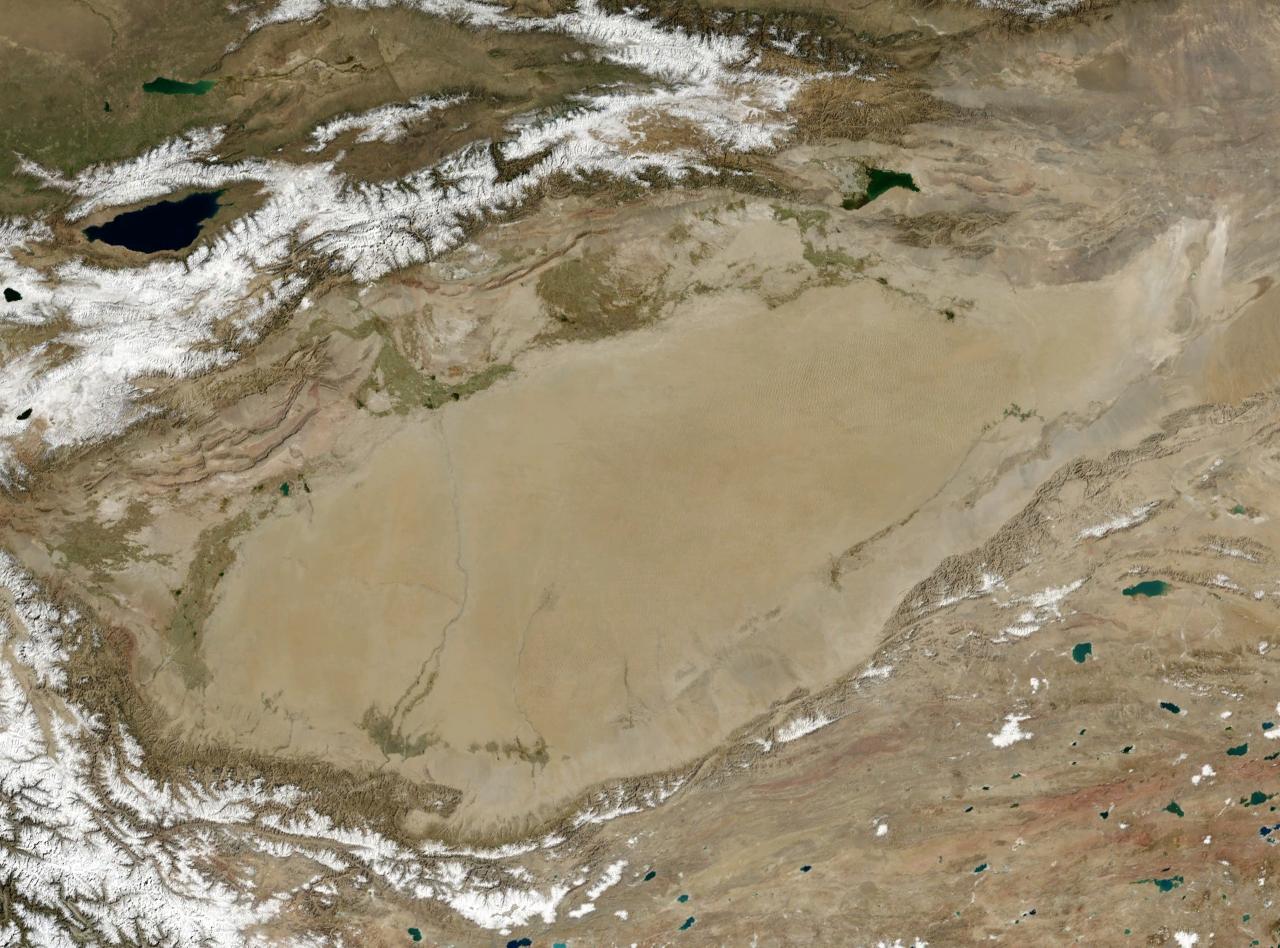
The Tarim River is the longest river in the Xinjiang Uyghur Autonomous Region of China! 🌊It stretches about 2,500 kilometers (1,550 miles) and flows through the Taklamakan Desert. The river starts in the Tianshan Mountains and ends in the desert, where it usually disappears into the sand. The Tarim River is vital for the people and wildlife living around it. It provides them with water, which is essential for drinking, farming, and supporting their ecosystems. Did you know that the river often changes its course? This makes it a fascinating subject for scientists! 🌍
Explore with ChatDinoKey Points
The Tarim River is significant to the local cultures of Xinjiang.
The Tarim River plays a big role in the economy of Xinjiang!
To help save the Tarim River, various conservation efforts are underway!
The Tarim River is located in the far west of China, mainly in Xinjiang.
The Tarim River has a rich history that dates back thousands of years.
The Tarim River faces many environmental challenges, mainly due to climate change and human activity.
The Tarim River and its surroundings are home to many plants and animals.
The management of the Tarim River’s water is vital for its surrounding communities.
Photos of Tarim River
![This is a map of the Tarim River drainage basin . Note that river courses shown crossing the Taklamakan Desert are usually dry. cf. [1]](https://upload.wikimedia.org/wikipedia/commons/thumb/7/7e/Tarimrivermap.png/960px-Tarimrivermap.png)
This is a map of the Tarim River drainage basin . Note that river courses shown crossing the Taklamakan Desert are usually dry. cf. [1]

Crossing the Tarim River on Tarim Desert Highway (June 2012)
✨ Cultural Impact
The Tarim River is significant to the local cultures of Xinjiang. ✨The region is home to the Uyghur people, a group with a rich culture and tradition. Many Uyghurs consider the river sacred. They hold festivals and rituals near its banks. The river also supports local musicians and artists who draw inspiration from its beauty. 🎶Traditional games and storytelling often feature the river, highlighting its importance in daily life. Schools teach kids about the river's history, making it a central part of their cultural identity! 📜
Go deeper💰 Economic Importance
The Tarim River plays a big role in the economy of Xinjiang! 💰The water supports agriculture, which includes growing cotton (one of China's biggest crops), melons, and grapes. Farmers depend on the river for irrigation to ensure their crops receive enough water. 🥳Fishing is another economic activity; local communities catch fish for food and income. Additionally, the river attracts tourists who enjoy the beautiful landscapes and unique culture, adding more income to the local economy. 🌞This makes the Tarim River essential for many people's livelihoods in the region!
Go deeper🌱 Conservation Efforts
To help save the Tarim River, various conservation efforts are underway! 🌱The Chinese government and environmental groups are working together to promote sustainable water use. Awareness campaigns teach local farmers about efficient farming techniques to reduce water consumption. 🌳Restoration projects are in place to revive the river's ecosystems, planting native trees and cleaning riverbanks. Local communities are encouraged to participate in these efforts, fostering a connection between the people and their environment. 🌄By protecting the Tarim River, we can ensure that this precious resource continues to support the rich life around it!
Go deeper🏞️ Geography And Location
The Tarim River is located in the far west of China, mainly in Xinjiang. It flows through incredible landscapes that include mountains, deserts, and grasslands. 🏞️ The river is surrounded by some famous mountains, including the Altai Mountains and the Tian Shan Mountains. The desert it flows through, the Taklamakan Desert, is one of the largest sandy deserts in the world! 🏜️ The river’s waters also help many small towns, such as Hotan and Korla, and support agriculture in these dry areas. These regions rely heavily on the Tarim River for irrigation. 🌱
Go deeper🐅 Historical Significance
The Tarim River has a rich history that dates back thousands of years. It was part of the ancient Silk Road, a famous trade route that connected China to Europe! 🐅Merchants and travelers used the river to transport silk, spices, and other goods. The nearby city of Kashgar was a critical stop on this route. Did you know? The river has been essential for agriculture since ancient times, allowing communities to grow crops in the dry desert area. 🌾Its historical importance continues today, as it helps support local cultures and economies!
Go deeper🌥️ Environmental Challenges
The Tarim River faces many environmental challenges, mainly due to climate change and human activity. 🌥️ One major problem is the shrinking water levels caused by excessive water withdrawal for farming. The Taklamakan Desert is getting larger as the river's flow decreases! 😢Pollution from industries and agriculture can also harm the river's water quality, affecting plants and animals. These issues threaten the river's ecosystems and the people who rely on them. 🌿Raising awareness about sustainability is critical to addressing these challenges and protecting the river for future generations!
Go deeper🦅 Biodiversity And Ecosystems
The Tarim River and its surroundings are home to many plants and animals. 🦅You can find poplar trees lining the banks, and various fish, such as the Tarim carp, live in its waters. 🐟The river's ecosystem supports migratory birds, like the elegant spoonbill, which visit during migration season. The area is also home to desert animals, including foxes and snakes. 🐍Besides animals, the river helps create arable land, allowing farmers to cultivate fruits and vegetables. This diverse ecosystem is crucial for maintaining the balance of nature in the region! 🌳
Go deeper💧 Hydrology And Water Management
The management of the Tarim River’s water is vital for its surrounding communities. 💧Because the river flows through a desert, its water is scarce. Engineers have built canals and reservoirs to store water for irrigation and daily use. Farmers also practice efficient irrigation techniques, like drip irrigation, to conserve water. 🚰The river often faces challenges from overuse, so careful planning is necessary to maintain its flow. Scientists study the river's hydrology to understand how to manage its resources better. This helps ensure the river remains a valuable water source for future generations! 🌊
Go deeper