Syringa Vulgaris Facts For Kids
Syringa vulgaris, or common lilac, is a fragrant flowering plant known for its colorful blooms in spring and its association with gardens and wildlife.

Do more with AI
Introduction
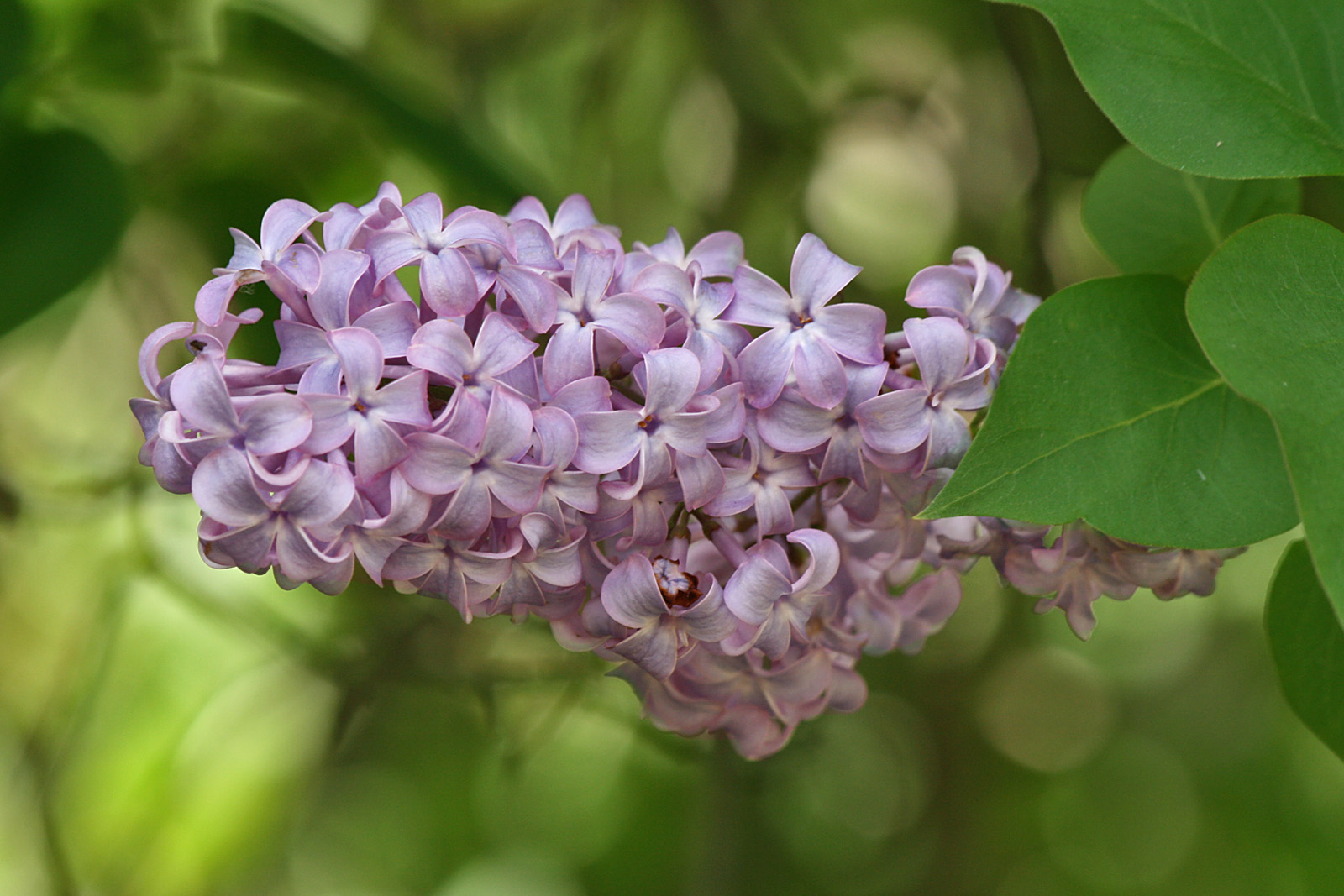
Syringa vulgaris, also known as the common lilac, is a beautiful flowering plant! 🌼It belongs to the olive family called Oleaceae. Lilacs are loved for their sweet fragrance and pretty colors, usually purple, but they can also be white or pink! These lovely flowers bloom in spring, bringing joy and color to gardens. The lilac can grow up to 10–15 feet tall (3–4.5 meters) and has green, heart-shaped leaves. In the world of plants, lilacs are like the friendly neighbors who greet you with colorful smiles! 😊
Images of Syringa Vulgaris

Lilac Bush, by Vincent van Gogh, 1889

Syringa.vulgaris(01)

Syringa vulgaris 'Alba'

Syringa vulgaris 'Corondel'

Syringa vulgaris 'Etna'

Syringa vulgaris 'MMe. Francisque Morel'

Syringa vulgaris 'Maréchal Foch' This is not cultivar 'Maréchal Foch'

Pests And Diseases
Even though lilacs are tough, they can sometimes attract pests! 🐛Common pests include aphids and scale insects that suck plant juices. If you see sticky leaves or tiny bugs, it’s time to act! 🧼You can wash them off with water or use natural remedies like soapy water. Lilacs can also suffer from diseases like powdery mildew, which causes a white coating on the leaves. 🌫️ Giving them good air circulation and not too much water helps keep them healthy!
Propagation Methods
Want to grow your own lilacs? It's easy! 🌱Lilacs can be propagated by seeds, but it's more common to use cuttings. You can take a healthy branch and cut it into smaller pieces, then plant them in soil. 🌿If you care for them well, roots will start to grow! Another way is to dig up a baby lilac from under a mature plant and transplant it in your garden. With a little love and care, you’ll have your own lilacs blooming in no time! 🌸
Cultivation And Care
To grow lilacs, you need to plant them in rich, well-drained soil and give them plenty of sunshine! ☀️ They prefer soil that is a little alkaline, which means it has a pH level above 7. Water them well, especially in the first year. 🌧️ Once established, don’t worry too much; they can handle dry spells! Pruning is important too! 🌿Trimming old branches helps lilacs grow new flowers, so they can continue to brighten your garden every spring!
Botanical Description
The lilac plant can have either one or multiple trunks, which makes it a lovely shrub! Its leaves are arranged opposite each other on the stems and are a bright green color. 🌱The flowers grow in clusters called panicles and bloom in May, attracting bees and butterflies! 🌷Each tiny flower has four petals and is shaped like a star. Did you know that a single lilac bush can have hundreds of flowers? This helps make our gardens look and smell amazing!
Cultural Significance
Lilacs are cherished in many cultures around the world! 🌎In the United States, they symbolize spring and renewal, often linked to special memories. Many people also see lilacs as a symbol of love and joy. In some countries, lilacs are used in festivals to celebrate nature’s beauty. 🌼They also inspire art and poetry, showing just how much people adore these colorful blooms! Overall, lilacs remind us of the delightful beauty of springtime.
Ecological Importance
Lilacs play a fantastic role in the environment! 🌍They attract many pollinators like bees and butterflies, which help plants reproduce. Bees love the sweet nectar found in lilac blossoms! 🌼Additionally, lilacs can improve air quality by filtering pollutants and providing oxygen. Planting more lilacs can even help create habitats for small birds and other critters, making our world a little greener and sweeter. 🌳
Historical Background
Lilacs have a rich history! 🕰️ They were first discovered in the Balkans, where people appreciated them for centuries. In the 17th century, lilacs made their way to France and then spread to other parts of Europe and America! 🌍They were often planted in the gardens of wealthy people. In fact, George Washington had lilacs in his garden at Mount Vernon! 🌳Today, they remain a symbol of beauty and cheerfulness in gardens everywhere!
Varieties And Cultivars
There are many types of lilacs! 🌈Some popular varieties are:
1. Common Lilac (Syringa vulgaris): The original purple flowers we all enjoy!
2. French Lilac: Known for its deep purple blooms and sweet smell!
3. Chinese Lilac (Syringa chinensis): This variety has pinkish flowers and grows a bit smaller!
4. Miss Kim Lilac: A lovely dwarf hybrid with fragrant, pale purple flowers! 🌿Each type brings its own charm to gardens!
Habitat And Distribution
Lilacs are native to Southeastern Europe and parts of Asia, especially countries like Hungary and Romania. 🌍They enjoy sunny spots and can often be found in gardens, parks, and along roadsides! Lilacs thrive best in places with warm summers and cold winters. In fact, they are very popular in North America, especially in states like New York and Michigan! 🌳So, if you see lilacs blooming, you're likely in a region that loves these pretty plants!
Uses In Landscape Design
Lilacs are super popular in gardens and parks because they look and smell fantastic! 🌼They can be used as colorful borders or even as standalone focal points. Some people plant them near patios or walkways so everyone can enjoy their delightful scent! Lilac bushes can also provide privacy, creating cozy, beautiful spaces in gardens. 🌳They are perfect complements to other flowers, making every garden special!
Syringa Vulgaris Quiz
Learn more about Syringa Vulgaris
