Surdo Facts For Kids
The surdo is a large bass drum fundamental to Brazilian music, particularly in samba and capoeira, known for its deep, resounding tones.
Select reading age
Surdo Facts For Kids
Videos & Quizzesincluded
About this topic
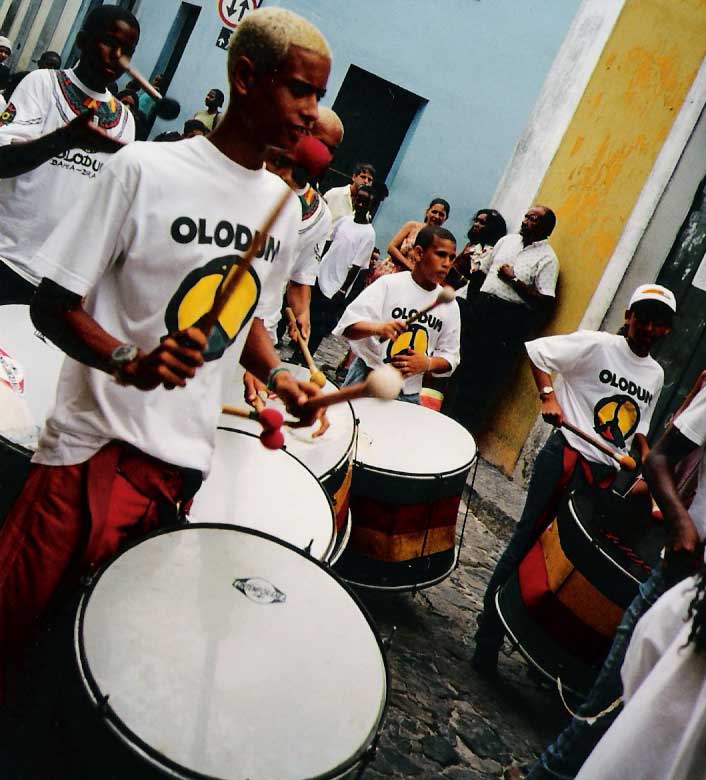
The surdo is a big drum from Brazil 🎶! It’s an important part of samba music, which is famous for its fast beats and fun dances. The surdo usually comes in three sizes: small, medium, and large. It can be made from wood or metal, and covered with animal skin or synthetic materials. The drum gives a deep, thumping sound that makes people want to dance! You often hear the surdo in parades and celebrations during Carnival in Brazil, which is a huge party celebrated before Lent each year. Let’s learn more about this cool instrument!
Explore with ChatDinoKey Points
Playing the surdo is super fun and exciting!
The surdo has a rich history that goes back to the 19th century in Brazil.
Besides samba, the surdo plays a role in other music styles!
The surdo is a symbol of Brazilian culture!
Some famous musicians are known for their skills with the surdo!
A surdo is usually made from a wooden or metal shell that’s hollow.
There are a few different types of surdos!
The surdo isn't just for samba anymore!
🎵 Playing Techniques
Playing the surdo is super fun and exciting! 🎵Musicians usually play it with a large mallet, hitting the drumhead for a deep bass sound. They can also play with their hands for different rhythms! Some drummers use a technique called "open and closed" hits, which adds variety. Surdo players often join together in groups to create powerful beats that set the tempo for the samba. Learning to play takes practice, but it's easy to make great sounds. Have you ever wanted to try? It’s a great way to make music!
Go deeper🌍 History Of The Surdo
The surdo has a rich history that goes back to the 19th century in Brazil. It became popular in the Afro-Brazilian communities 🌍. The word "surdo" means "deaf" in Portuguese, referring to its loud, powerful sound! It was inspired by instruments used in Africa brought over by enslaved people. The sultry rhythms of the surdo helped shape samba, which became a symbol of Brazilian culture. Over the years, it has evolved, but its role in Brazilian music remains strong. Fun fact: The surdo is sometimes called the "father of samba drums" because of its importance!
Go deeper🎶 Role In Music Genres
Besides samba, the surdo plays a role in other music styles! 🎶It can be found in music genres like bossa nova and pagode, which are also from Brazil. The surdo's rhythms give these music styles their joyful and rhythmic beats. In some cases, the surdo can also be part of jazz or world music when musicians blend styles! Its versatile sounds make it a favorite among drummers. So next time you hear samba, remember that the uplifting beats come from the exciting sounds of the surdo!
Go deeper💡 Cultural Significance
The surdo is a symbol of Brazilian culture! 🇧🇷 During Carnival, people march in parades playing surdos to celebrate and dance. The lively rhythms bring communities together and help maintain traditions. It also represents Afro-Brazilian heritage and is important in many cultural events. The surdo is not just a musical instrument; it tells stories of joy and struggle. When you hear it, you can feel the spirit of Brazil! It’s often featured in schools, music festivals, and community gatherings, showing how music brings people together across ages and backgrounds.
Go deeper🌟 Notable Surdo Players
Some famous musicians are known for their skills with the surdo! 🌟One famous surdo player is "Dona Onete," who blends traditional sounds with modern music. Another notable name is "Nene," who plays at Carnival and inspires many drummers! These players help teach others about the surdo and samba rhythms at music schools and festivals. Their passion and creativity keep the surdo alive in today’s music scene. You can listen to their music and see how they use the surdo to create magic on stage!
Go deeper🥁 Construction And Design
A surdo is usually made from a wooden or metal shell that’s hollow. This helps create its loud sound! 🥁The drumhead, the top part, can be made from animal skin or synthetic materials, which helps it be durable. The drum comes with a hoop around the top called a "counter hoop" that keeps the head in place. Surdos can be decorated with colors and designs to reflect Brazilian culture! They are often played with a mallet or by hand. The size and material affect the sound, making each surdo unique!
Go deeper🎼 Variations Of The Surdo
There are a few different types of surdos! 🎼The standard surdo is the most common, but there are also variations like the "surdo de repique." This type is smaller and has a higher pitch! In some regions of Brazil, surdos are made in different sizes, which affects the sound they produce. Some people even create custom surdos with unique designs for performances. These variations help musicians create cool beats that suit their styles. So whether big or small, the surdo brings joy and rhythm to many musicians worldwide!
Go deeper🎤 Surdo In Contemporary Music
The surdo isn't just for samba anymore! 🎤Many modern musicians are incorporating the surdo into pop, rock, and even electronic music. Artists like "Gilberto Gil" have used the surdo to blend traditional Brazilian sounds with contemporary styles. Its unique beats catch listeners' ears and create a lively atmosphere. Music festivals today welcome surdo players to showcase its versatility. This means the surdo will continue to be a beloved instrument, connecting old and new music, and inspiring future generations to dance and celebrate life!
Go deeper