All Articles

Submarine

Submarine Facts For Kids

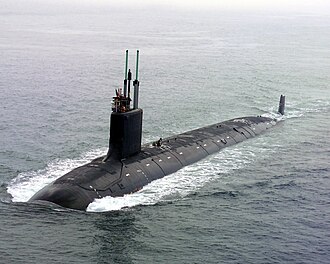
A submarine is a watercraft capable of independent operation underwater, designed for exploration and military purposes.
🎨 Reading age for 6-8
Background blob
Submarine
Submarine
Facts for Kids!

Do more with AI

Introduction

Submarines are amazing watercraft made to travel deep below the ocean's surface! 🌊They can be big or small and can stay underwater for days, even weeks! Submarines have special tools to help them see in the dark and breathe while they’re underwater. Did you know the largest submarine ever built is the Typhoon-class submarine, found in Russia? 🚢These incredible machines help scientists study the ocean, and navies explore and protect the seas!

Images of Submarine

Russian Akula-class submarine of the Northern Fleet, in 2008Image by ru:User:Курганов Илья Сергеевич , cropped by ru:User:Vlsergey, licensed under Creative Commons Attribution-Share Alike 3.0

Russian Akula-class submarine of the Northern Fleet, in 2008

.mw-parser-output .plainlist ol,.mw-parser-output .plainlist ul{line-height:inherit;list-style:none;margin:0;padding:0}.mw-parser-output .plainlist ol li,.mw-parser-output .plainlist ul li{margin-bottom:0}World War II fleet submarine (Gato, Balao or Tench class), commissioned 1941–1945The first nuclear-powered submarine USS Nautilus (SSN-571), commissioned 1954The ballistic missile submarine USS George Washington (SSBN-598), commissioned 1959

.mw-parser-output .plainlist ol,.mw-parser-output .plainlist ul{line-height:inherit;list-style:none;margin:0;padding:0}.mw-parser-output .plainlist ol li,.mw-parser-output .plainlist ul li{margin-bottom:0}World War II fleet submarine (Gato, Balao or Tench class), commissioned 1941–1945The first nuclear-powered submarine USS Nautilus (SSN-571), commissioned 1954The ballistic missile submarine USS George Washington (SSBN-598), commissioned 1959

An early submersible craft, built by Cornelis Drebbel, propelled by oars

An early submersible craft, built by Cornelis Drebbel, propelled by oars

Cutaway replica of Bushnell's "Turtle" at the Submarine Force Library and Museum, Groton, Connecticut

Cutaway replica of Bushnell's "Turtle" at the Submarine Force Library and Museum, Groton, Connecticut

1806 illustration by Robert Fulton showing a "plunging boat"

1806 illustration by Robert Fulton showing a "plunging boat"

The French submarine Plongeur

The French submarine Plongeur

Peral at Cartagena, 1888

Peral at Cartagena, 1888

USS Plunger, launched in 1902

USS Plunger, launched in 1902

Akula (launched in 1907) was the first Russian submarine able to cruise long distances.

Akula (launched in 1907) was the first Russian submarine able to cruise long distances.

Russian Akula-class submarine of the Northern Fleet, in 2008Image by ru:User:Курганов Илья Сергеевич , cropped by ru:User:Vlsergey, licensed under Creative Commons Attribution-Share Alike 3.0

Russian Akula-class submarine of the Northern Fleet, in 2008

.mw-parser-output .plainlist ol,.mw-parser-output .plainlist ul{line-height:inherit;list-style:none;margin:0;padding:0}.mw-parser-output .plainlist ol li,.mw-parser-output .plainlist ul li{margin-bottom:0}World War II fleet submarine (Gato, Balao or Tench class), commissioned 1941–1945The first nuclear-powered submarine USS Nautilus (SSN-571), commissioned 1954The ballistic missile submarine USS George Washington (SSBN-598), commissioned 1959

.mw-parser-output .plainlist ol,.mw-parser-output .plainlist ul{line-height:inherit;list-style:none;margin:0;padding:0}.mw-parser-output .plainlist ol li,.mw-parser-output .plainlist ul li{margin-bottom:0}World War II fleet submarine (Gato, Balao or Tench class), commissioned 1941–1945The first nuclear-powered submarine USS Nautilus (SSN-571), commissioned 1954The ballistic missile submarine USS George Washington (SSBN-598), commissioned 1959

An early submersible craft, built by Cornelis Drebbel, propelled by oars

An early submersible craft, built by Cornelis Drebbel, propelled by oars

Cutaway replica of Bushnell's "Turtle" at the Submarine Force Library and Museum, Groton, ConnecticutImage by Flickr user : https://www.flickr.com/photos/divemasterking2000, licensed under Creative Commons Attribution 2.0

Cutaway replica of Bushnell's "Turtle" at the Submarine Force Library and Museum, Groton, Connecticut

1806 illustration by Robert Fulton showing a "plunging boat"

1806 illustration by Robert Fulton showing a "plunging boat"

The French submarine Plongeur

The French submarine Plongeur

Peral at Cartagena, 1888

Peral at Cartagena, 1888

USS Plunger, launched in 1902

USS Plunger, launched in 1902

Akula (launched in 1907) was the first Russian submarine able to cruise long distances.

Akula (launched in 1907) was the first Russian submarine able to cruise long distances.

How Submarines Work

Submarines can dive deep or float to the surface by changing how much water they hold. They use ballast tanks to take in water, making them heavy so they can sink, and blow the water out to rise. 🌬️ Submarines also have sonar, which uses sound waves to "see" underwater! They communicate by sending messages through radio waves. Some submarines can also generate power from nuclear energy, letting them travel far without needing to surface too often! ⚡

Types Of Submarines

There are two main types of submarines: military and civilian. Military submarines are designed for defense and attack. They can be nuclear-powered or diesel-electric. 🛡️ Famous military submarines include the U.S. Navy's Virginia-class and Columbia-class submarines! Civilian submarines are used for research, tourism, and underwater exploration. 🐠One example is the Alvin, which helped discover the Titanic wreck! Both types are very important in different ways!

History Of Submarines

The idea of submarines goes back over 400 years! The first real submarine was invented by David Bushnell in 1775 during the American Revolution. His submarine was named the "Turtle." 🐢 It was made of wood and was shaped like a turtle, helping it to stay underwater! Later, during World War I and II, submarines played important roles in battles. The Germans had huge submarines called U-boats! ⚓Today, submarines are much more advanced and are used by many countries around the world.

Famous Submarine Missions

One of the most famous missions was the discovery of the Titanic wreck in 1985. 🌊A submarine called the Alvin, along with the research ship Knorr, explored the seabed, finding the sunken ship over 12,000 feet below the surface! Other famous missions include James Cameron’s deep dive in the Deepsea Challenger, reaching the Mariana Trench, the deepest part of the ocean! 📸Submarines continue to reveal many secrets about our blue planet!

Civilian Uses Of Submarines

Civilian submarines have various fun and educational purposes! 🌍They help scientists study ocean life, find shipwrecks, or explore underwater caves. Some companies offer submarine tours to let people see marine life up close! 🐋For example, in Hawaii, you can ride a submarine and watch colorful fish and coral reefs. They are also used for underwater construction and oil drilling, helping us learn more about our oceans and the fantastic creatures that live there!

Submarine Design And Engineering

Submarines are designed with special materials that can handle pressure from the deep sea. Engineers create them in special shipyards. They are shaped like a cigar to move smoothly in the water. 🛠️ The hull, or outer shell, is made of strong metal to endure oceanic conditions. Inside, there are rooms like control centers, living areas, and even kitchens! 🥘Each submarine is built carefully to keep everyone safe and comfortable during their journeys.

Submarine Safety And Emergencies

Safety is super important in submarines! 🚨Crew members undergo extensive training to handle emergencies, like leaks or power failures. Submarines are also equipped with escape pods, allowing crew members to leave safely if needed. 🔧The crew uses special procedures and tools to control situations. They even practice drills to ensure they can react quickly. This way, submarines remain one of the safest ways to explore the ocean depths!

The Future Of Submarine Technology

The future of submarines is exciting! 🚀Scientists and engineers are always inventing new technologies. We might see submarines that can stay underwater for years without needing to resurface! They could also have better energy sources, making them more efficient. 🌞There's much to learn from underwater habitats, like how to keep our oceans healthy. Who knows? In the future, we might even see submarines that explore other planets’ oceans! The possibilities are endless!

Military Applications Of Submarines

Military submarines are mainly used for defense and warfare. They can carry missiles and torpedoes, making them powerful weapons! ⚔️ Countries like the United States, Russia, and China have strong navies that use submarines to protect their waterways. They also help gather important information about other countries. Submarines can hide underwater, making it hard for enemies to find them. 🕵️ This stealthy feature makes them a vital part of modern warfare!

Submarine Quiz

Q1
Question 1 of 10

Learn more about Submarine

Ready to create?

Make

To create a safe space for kid creators worldwide!

Create

Vibe Coding

Kids GPT

All Tools

Kibu

Learn

Worksheets

Courses

Skills

Resources

SafeTube

Blog

FAQ

Pricing

Account

Log-in

Sign-up

Data Deletion

Company

About

Community Guidelines

Privacy Policy

Terms of Service

2025, URSOR LIMITED. All rights reserved. DIY is in no way affiliated with Minecraft™, Mojang, Microsoft, Roblox™ or YouTube. LEGO® is a trademark of the LEGO® Group which does not sponsor, endorse or authorize this website or event. Made with love in San Francisco.