Strabismus Facts For Kids
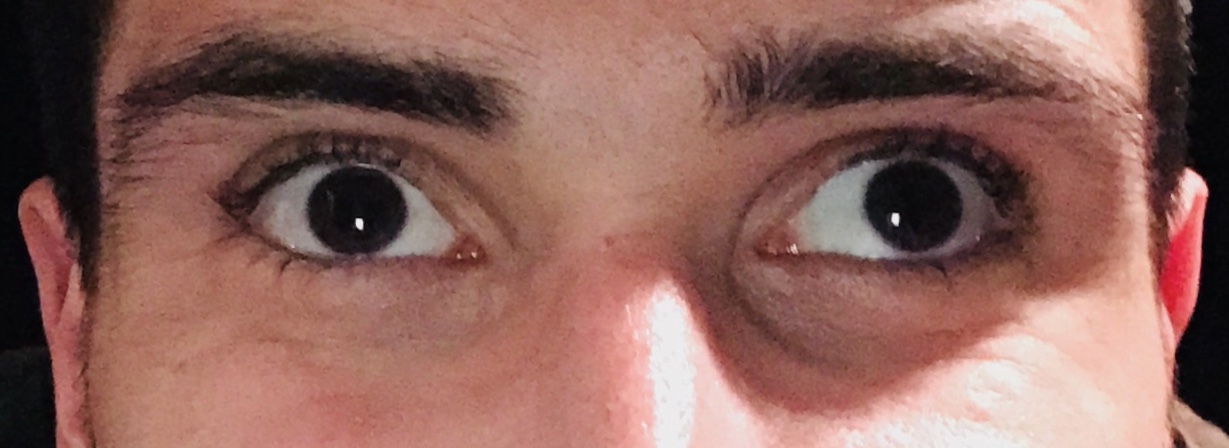
Strabismus is an eye disorder in which the eyes do not properly align with each other when looking at an object.
Select reading age
Strabismus Facts For Kids
Videos & Quizzesincluded
About this topic
Strabismus is a fancy word for when a person’s eyes don’t point in the same direction! 👀Imagine trying to look at something, but one eye goes left and the other goes right. It can happen all the time or just some of the time. Strabismus is quite common; about 4% of kids have it! 🎉This condition can make it hard for people to see things clearly. It can also affect how they see depth, which means they might find it tricky to catch a ball or ride a bike. But don't worry—there are ways to help! 😊
Explore with ChatDinoKey Points
Another option for treating strabismus is vision therapy!
There are several ways to treat strabismus!
While we can’t always prevent strabismus, there are steps families can take to help!
There are two main types of strabismus: esotropia and exotropia.
Strabismus can happen for many reasons!
Strabismus can impact everyday activities, like playing games or reading books.
Strabismus is most commonly found in children, and it can develop at a young age.
In some cases, surgery may be needed to fix strabismus.
People with strabismus may notice their eyes look different when they look at things.
Scientists are always looking for new treatments for strabismus!
Photos of Strabismus

Fayum mummy portrait, c. 150–200 AD

Tommaso Inghirami

Norma Shearer

Alger Hiss
 Image by https://www.flickr.com/people/69061470@N05, licensed under Creative Commons Attribution 3.0
Jean-Paul Sartre


Chelsea goalkeeper Hannah Hampton has strabismus.


A child with accommodative esotropia affecting the right eye

Strabismus correction surgery
🎓 Vision Therapy
Another option for treating strabismus is vision therapy! 🎓This involves fun exercises that kids can do to improve eye skills. Activities include focusing on different objects or doing eye-tracking games. 🎮Vision therapy helps strengthen eye muscles and improve team working between the eyes! Usually, kids meet with a vision therapist once a week, and they may practice things at home too. It’s like gym class for your eyes! 💪With encouragement and practice, kids can see amazing improvements in their vision!
Go deeper🎈 Treatment Options
There are several ways to treat strabismus! 🎈One common option is wearing glasses or contact lenses to fix vision problems. Some kids may need to wear patches on one eye to make the other eye stronger. 🩹This is called "patching therapy." In some cases, doctors suggest using eye drops to blur the stronger eye so the weaker eye can strengthen. Each treatment is different and depends on how serious the strabismus is, as well as a child's age. ✨The goal is to help the eyes align better and see more clearly!
Go deeper🌟 Preventive Measures
While we can’t always prevent strabismus, there are steps families can take to help! 🌟Regular eye exams starting from an early age are important. This helps catch any vision problems before they get worse. Encourage kids to take breaks when reading or playing video games to avoid eye strain. 😌Bright lighting while doing close tasks can also help keep their eyes healthy. Eating a balanced diet with fruits and vegetables is great for good vision too! 🍏By practicing these habits, families can support healthy eyes and clear vision!
Go deeper🤓 Types Of Strabismus
There are two main types of strabismus: esotropia and exotropia. 🤓Esotropia is when one eye turns inward, like a little kid trying to peek at a secret. 🕵️♂️ Exotropia, on the other hand, is when one eye wanders outward, like a bird looking for seeds. 🐦There are also other types, like hypertropia (where one eye looks up) and hypotropia (where one eye looks down). Each type can happen more at different times, such as when a person is tired or sick. Recognizing these types is important for doctors, so they can help! 🎈
Go deeper😮 Causes Of Strabismus
Strabismus can happen for many reasons! 😮Sometimes it’s because the muscles that control eye movement don’t work together well. Other times, it can be caused by problems with vision in one eye, like when someone is very nearsighted or farsighted. 👓Family history can also play a role; if someone in your family has strabismus, you might have a higher chance of having it too! Other causes might include health issues like cerebral palsy or Down syndrome. 🌈Finding the cause helps doctors determine the best treatments!
Go deeper📚 Impact On Daily Life
Strabismus can impact everyday activities, like playing games or reading books. 📚Kids with strabismus might have trouble catching balls or focusing on what’s in front of them. Sometimes friends might tease them, but it’s important to remember that everyone is different! 🌈With the right support and treatment, many kids can improve their vision and enjoy their favorite activities! Playing sports, learning in school, and making new friends can all become easier. 🏀The key is to work with doctors and find a plan that helps!
Go deeper👶 Strabismus In Children
Strabismus is most commonly found in children, and it can develop at a young age. 👶Some kids are born with it, while others may develop it during their early years. In fact, around 1 in 25 children has strabismus! 🎉It’s important for parents to watch for signs, like eyes that seem misaligned or a child squinting often. If parents notice these signs, they should take their child to an eye doctor for a checkup. Early detection means better treatment, making it easier for kids to see and have fun! 😊
Go deeper🏥 Surgery For Strabismus
In some cases, surgery may be needed to fix strabismus. 🏥During surgery, doctors adjust the eye muscles so the eyes can line up correctly. This helps the eyes work together better when looking at things. Each surgery takes about 1 to 2 hours. After surgery, kids may have to wear a patch or glasses but can usually go home the same day. 🏡The good news? Most kids experience significant improvements in how their eyes look and work! Recovery might take a few weeks, but most kids feel better soon! 🌟
Go deeper👁️ Symptoms And Diagnosis
People with strabismus may notice their eyes look different when they look at things. 👁️ They might have double vision, which means they see two images instead of one. 🤔They could also squint or tilt their head to see better. To diagnose strabismus, doctors perform eye exams using special tools. They may check how the eyes track moving objects and how well they work together. 🩺Using these exams, doctors can tell if someone has strabismus and figure out what type it is. Regular eye check-ups are super important!
Go deeper🧑🔬 Research And Future Directions
Scientists are always looking for new treatments for strabismus! 🧑🔬 Researchers are studying eye muscle movements and the brain's role in vision. They are exploring new therapies, like advanced vision training methods and high-tech glasses that can help. 🎓They’re also working on better ways to diagnose strabismus quickly. With ongoing research, the future looks bright! 🌟By learning more about strabismus and sharing their findings, scientists can help many kids see better, learn better, and have more fun every day! 😊
Go deeper