Storm Facts For Kids
A storm is any disturbed state of the natural environment or the atmosphere of an astronomical body, often resulting in significant weather changes.
Select reading age

Storm Facts For Kids
Videos & Quizzesincluded
About this topic
A storm is when the weather gets really wild and exciting! 🌩️ It can include strong winds, heavy rain, thunder, and lightning. Storms can happen anywhere on Earth, from the sunny beaches of Florida to the snowy mountains of Canada! Countries like the USA, India, and Japan experience storms often, each with their own special names. For example, hurricanes form over warm ocean waters, while blizzards bring lots of snow. Storms are a natural part of our environment, helping to keep everything balanced and alive. So, let’s dive into the fascinating world of storms! 🌪️
Explore with ChatDinoKey Points
There are many different types of storms!
Storms begin with a special recipe!
Staying safe during a storm is very important!
History is full of famous storms!
Did you know that storms happen on other planets too?
Predicting the weather is like solving a puzzle!
Atmospheric disturbances are caused by changes in the air around us!
Climate change is causing our weather to change, which affects storms!
Storms can have big effects on our environment!
To understand and track storms, scientists use special instruments!
Photos of Storm


Storm .

Storm — photo 3

Storm — photo 4

Storm — photo 5

Storm — photo 6

Storm — photo 7

The Great Red Spot on Jupiter
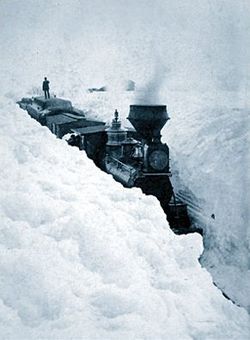
A snow blockade in southern Minnesota in 1881
⚡ Types Of Storms
There are many different types of storms! Some common ones include thunderstorms, hurricanes, tornadoes, blizzards, and cyclones. ⚡Thunderstorms are powerful storms that can produce lightning and heavy rain. Hurricanes form over warm ocean waters, providing winds up to 157 miles per hour! 🌊Tornadoes are swirling columns of air that can be extremely destructive. Blizzards bring lots of snow and strong winds, making everything white and cold! 🌨️ Cyclones are similar to hurricanes and usually occur in the Indian Ocean. Each type of storm brings different weather and can happen in unique places!
Go deeper🌟 Storm Formation Process
Storms begin with a special recipe! 🌟First, warm, moist air rises from the ground. This air cools as it goes up, forming clouds. ☁️ When the clouds become heavy with water droplets, they fall as rain. The more moisture, the bigger the storm! 🌧️ Wind patterns also help shape storms, creating different kinds like hurricanes and tornadoes. 🌪️ As storms gather energy, they can grow stronger, too! Sometimes, they even form in groups! This whole process is nature's way of letting us know it’s time for some exciting weather. 🎢
Go deeper🛡️ Storm Safety And Preparedness
Staying safe during a storm is very important! 🛡️ Always listen to weather reports and alerts from experts. If a storm is coming, find a safe place to stay! 🏠If you hear thunder, go indoors! 🌩️ Have an emergency kit with food, water, and flashlights ready for power outages. If a tornado warning is issued, go to a basement or an interior room without windows. 🌪️ Prepare in advance, so you can stay safe and calm! Remember, storms can be amazing to observe from a safe distance! 📺
Go deeper🌪️ Famous Storm Events In History
History is full of famous storms! One of the most deadly hurricanes was Hurricane Katrina, which struck New Orleans in 2005. 🌪️ It caused huge flooding and damage! Another well-known storm is the Great Blizzard of 1888, which buried parts of the northeastern USA under 4 to 5 feet of snow! ❄️ Tornadoes have also made history, like the Tri-State Tornado in 1925, which traveled across three states! 🌪️ These storms taught us valuable lessons about safety and preparedness, reminding us that nature can be both exciting and powerful!
Go deeper🌌 Storms On Other Celestial Bodies
Did you know that storms happen on other planets too? 🌌Jupiter has the biggest storm in our solar system called the Great Red Spot! 🌪️ This storm has been raging for hundreds of years and is even bigger than Earth! Mars has dust storms that can cover the whole planet for months. 🌫️ Saturn also has incredible storms with beautiful rings around it! Each celestial body has its own atmosphere, which influences how storms form and behave. So, storms aren't just for Earth—they're a cosmic phenomenon! 🚀
Go deeper🧩 The Science Of Weather Prediction
Predicting the weather is like solving a puzzle! 🧩Meteorologists use a mix of tools, technology, and knowledge to forecast storms. They study patterns from past weather and current conditions. 🌦️ Data from satellites, radar, and weather stations help them understand what's happening in the atmosphere. 📊Computers analyze this information to create models predicting where storms could go and how strong they might be. Predictions allow us to prepare for storms, keeping us safe. While weather predictions aren't always perfect, scientists work hard to improve them every day! 🌈
Go deeper🌬️ Causes Of Atmospheric Disturbances
Atmospheric disturbances are caused by changes in the air around us! 🌬️ These changes can happen due to temperature differences, humidity, or air pressure. Warm air rises, causing cool air to rush in. This movement creates winds and clouds. 🌥️ When there’s a lot of heat and moisture, storms can develop! For example, when warm ocean water heats the air above it, the air rises quickly, forming storms like hurricanes. 🌪️ Different factors like mountains, oceans, and even the sun can influence how and where storms occur. Isn’t nature amazing?
Go deeper🌎 Climate Change And Storm Frequency
Climate change is causing our weather to change, which affects storms! 🌎Scientists have noticed that as the Earth gets warmer, storms can become more frequent and intense. Hurricanes are growing stronger because of warmer ocean waters. 🌊Heavy rains are causing floods in areas that didn't see much before. While storms are a natural part of our ecosystem, we must work together to protect our planet! 🌱By reducing pollution and recycling, we can help slow down climate change and its impact on storms. Every small action counts!
Go deeper🌳 Impact Of Storms On The Environment
Storms can have big effects on our environment! 🌳They help bring rain to plants and animals, keeping ecosystems healthy. However, storms can also cause damage, like uprooting trees or flooding streets. 🌊Hurricanes can wash away beaches, while tornadoes can destroy homes. But don't worry! Nature is strong; it often rebuilds after storms. 🌈Some animals even rely on storms to thrive! For instance, certain birds find food after heavy rains. While storms can be scary, they also play important roles in keeping our planet’s environment balanced and full of life.
Go deeper📡 Meteorological Instruments For Storm Tracking
To understand and track storms, scientists use special instruments! 📡One important tool is a weather radar, which shows where rain and storms are located. 🌧️ Satellites high in space can capture images of storm systems, allowing us to see their movement. 🌍Weather balloons go up high in the atmosphere to collect data about temperature and air pressure! 📈Meteorologists, or weather scientists, use this information to predict storms, helping keep people safe. So, the next time you hear about a storm, remember how smart scientists are working to track it! 🧑🔬
Go deeper