Stercorariidae Facts For Kids
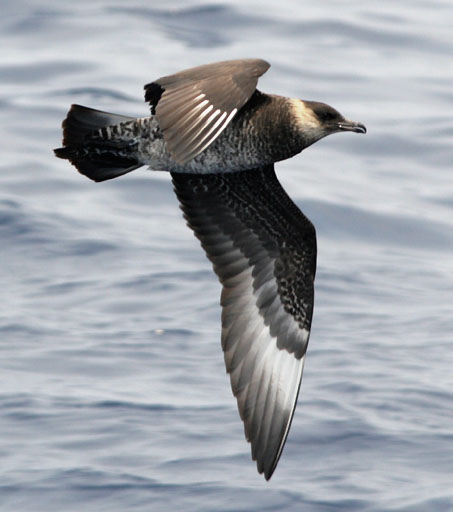
Skuas are a group of robust predatory seabirds, with seven species in the genus Stercorarius, known for their impressive hunting skills and aggressive behaviors.
Select reading age
Stercorariidae Facts For Kids
Videos & Quizzesincluded
About this topic
Skuas are fascinating seabirds known for their adventurous lifestyles! 🌊They belong to the family Stercorariidae and are great hunters in the ocean. There are seven different species of skuas, each with their own unique traits. You can spot these birds in cold places like Antarctica or even up north in the Arctic! Skuas have strong wings that help them fly long distances over oceans, searching for food. They have a reputation for being a bit naughty, as they sometimes steal food from other birds! 🦅Learning about skuas helps us understand more about nature and the amazing creatures that share our planet.
Explore with ChatDinoKey Points
Did you know that skuas can dive into the water to catch fish?
Skuas are considered to be at varying levels of conservation concern.
Skuas are known for their bold and aggressive behavior, especially when it comes to food!
During the breeding season, which happens in late spring and summer, skuas make their nests in rocky areas or on the ground near the coast.
Skuas have been noticed by people for ages!
Skuas are found in diverse locations around the world, but they mainly love cold waters!
Skuas are sturdy birds with large bodies and long wings, perfect for gliding over the sea.
Skuas are part of the avian family Stercorariidae, which is a fancy term for a group of seabirds.
Skuas have some amazing adaptations that help them survive in harsh environments!
Photos of Stercorariidae

Two brown skuas (S. antarcticus) and a southern giant petrel (Macronectes giganteus) fighting over a dead Antarctic fur seal

Great skua leaving the nest

Skua nestling, with egg tooth still present on its beak

Stercorariidae — photo 4

Stercorariidae — photo 5

Stercorariidae — photo 6

Stercorariidae — photo 7

Stercorariidae — photo 8

💦 Interesting Facts
Did you know that skuas can dive into the water to catch fish? 💦They are incredible hunters! Another fun fact is that skuas can live up to 15 years in the wild! 🎂They also can travel thousands of miles during migration, sometimes flying from the Arctic to the Antarctic! Skuas are excellent at stealing food; they are often called "pirate birds" by those who observe them in action! 🏴☠️ Lastly, each species of skua has its own unique calls, helping them communicate with each other in the vast ocean environment. How cool is that? 🌊
Go deeper🌊 Conservation Status
Skuas are considered to be at varying levels of conservation concern. Most species are currently stable, thanks to protected breeding grounds like islands in the Southern Ocean. 🌊However, some skua populations face threats from climate change and habitat loss. For example, the South Polar Skua's nesting sites could be affected by rising sea levels. Conservation efforts are essential to protect these wonderful birds and ensure they thrive in their natural habitats. Organizations are working hard to conserve their environments and raise awareness about the importance of skuas in the ecosystem! 🌍
Go deeper😲 Behavior And Feeding
Skuas are known for their bold and aggressive behavior, especially when it comes to food! 😲These birds are carnivores, meaning they eat other animals, like fish and small birds. They are incredible hunters and often chase smaller seabirds to steal their catch. Skuas are also scavengers, looking for leftovers on beaches! Their sharp eyesight helps them spot food from far away. When they see something tasty, they swoop down quickly to grab it. They can be very resourceful, relying on both hunting and stealing to fill their bellies! 🍽️
Go deeper🥚 Breeding And Nesting
During the breeding season, which happens in late spring and summer, skuas make their nests in rocky areas or on the ground near the coast. They create a cozy nest using grass, stones, and feathers to protect their eggs. 🥚Female skuas typically lay 1-3 eggs, which both parents take turns keeping warm. Once the chicks hatch, both mom and dad are busy bringing food to their little ones. The chicks are covered in soft down feathers, which camouflage them against their surroundings! With love and care, they grow quickly and are soon ready to explore the world around them! 👶
Go deeper🕰️ Cultural Significance
Skuas have been noticed by people for ages! 🕰️ They are often featured in literature and folklore, symbolizing strength and resilience. In some cultures, skuas are seen as clever birds that can adapt to changing conditions. Fishermen often respect them for their excellent hunting skills and connection to the ocean. 🐟People who live near coastal areas watch skuas as they scavenge and hunt, helping to create a deep appreciation for nature. By learning about skuas, we can understand more about the amazing life in our oceans and the creatures that call it home! 🌅
Go deeper❄️ Distribution And Habitat
Skuas are found in diverse locations around the world, but they mainly love cold waters! ❄️ The Great Skua can be spotted around the North Atlantic, while the South Polar Skua roams around Antarctica. Other species can be seen in the Arctic and Southern Oceans. They usually like to nest on rocky beaches, coastal cliffs, and tundra areas. 🏞️ Skuas migrate long distances between their breeding and wintering grounds, making them true adventurers of the sky! No matter where they go, they are always on the lookout for their next meal.
Go deeper⛵ Physical Characteristics
Skuas are sturdy birds with large bodies and long wings, perfect for gliding over the sea. They have strong beaks designed for catching fish and stealing food from others. ⛵Most skuas have a mix of brown and gray feathers, which help them blend in with their surroundings. Their wings can stretch up to 62 inches (1.57 meters) depending on the species! This makes them fabulous flyers. Skuas also have sharp claws that help them catch prey and defend themselves. With their impressive size and strength, skuas are majestic and powerful birds indeed! 💪
Go deeper🐦 Taxonomy And Classification
Skuas are part of the avian family Stercorariidae, which is a fancy term for a group of seabirds. 🐦They belong to the genus Stercorarius, which is the only one in this family. The seven species of skuas include the Great Skua, South Polar Skua, and Arctic Skua, among others. Each species has its own special features, but they all share a love for the ocean! The name "Skuas" comes from a word that means "to steal" in an old language because they are known for their sneaky ways. Isn’t that interesting? 🌍
Go deeper🌬️ Adaptations And Survival Strategies
Skuas have some amazing adaptations that help them survive in harsh environments! Their strong wings allow them to fly long distances, while their sharp beaks help them catch fish and defend themselves. 🌬️ They have excellent eyesight, making it easier to spot food from high above. Skuas can also endure very cold temperatures thanks to their thick feathers! Furthermore, they are clever birds; they often team up with other seabirds to hunt together or take turns watching for danger. These survival strategies help them thrive in a world full of challenges! 🦅
Go deeper