Spindle Facts For Kids
A spindle is a straight spike, usually made from wood, used for spinning and twisting fibers such as wool, flax, hemp, and cotton into yarn.
Select reading age

Spindle Facts For Kids
Videos & Quizzesincluded
About this topic
A spindle is a special tool that helps us make yarn from fibers like wool, cotton, or flax! 🧶It looks like a stick with a pointy end and a thicker part at the top. People have used spindles for thousands of years to turn soft fibers into strong threads. This is important because yarn is used for knitting and weaving clothes, blankets, and more! 🌍The spindle spins super fast, and this makes the fibers twist together. It’s like magic! Let's dive into the world of spindles and learn fun facts about them. 🪄
Explore with ChatDinoKey Points
There are different kinds of spindles, each with a unique purpose!
Spindles have been around for a long time—over 10,000 years!
Using a spindle is fun and a little tricky!
Taking care of your spindle is important!
There are many cool resources to help you learn more about spinning!
Across the world, spindles are more than just tools; they carry cultural stories!
Today, spindles have evolved!
Many talented artists have made amazing yarn using spindles!
Spindles can be made from several materials, making each one unique!
Different fibers require different spinning techniques!
Photos of Spindle

A grasped spindle being used with a distaff.

Spindle with cotton yarn, without whorl, representing the "spindle-shape".

A modern Turkish spindle is an example of a low-whorl suspended spindle where the whorl is made up of interlocking arms. Here the cop is wound around the arms to form a ball.

Spinning with a suspended spindle (below) and distaff (above).
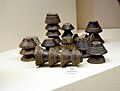
Spindle — photo 5
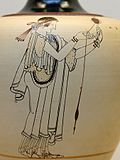
Spindle — photo 6

Spindle — photo 7

Tibetan woman spinning wool in Pokhara/Nepal
🎡 Types Of Spindles
There are different kinds of spindles, each with a unique purpose! Some common types are the drop spindle, which you hold in one hand and drop to spin, and the supported spindle, which spins on a little base. 🎡There are also Turkish spindles that create a special yarn ball as you spin! The different shapes and sizes help spinners work with different fibers and create various types of yarn. Some spindles are very simple, while others are beautifully decorated. No matter the type, they all help create wonderful yarn for our favorite crafts! 🎨
Go deeper🌟 History Of Spindles
Spindles have been around for a long time—over 10,000 years! 🌟The earliest spindles were found in ancient places like Egypt and China. They made them from wood and later other materials. People used spindles in many countries, like in Europe and Asia, to create yarn for their clothes. Famous spindles were used by people like the Vikings (who lived in Scandinavia) and the Native Americans. They passed this skill down through generations, showing us how important spinning was in history. Isn’t that cool? Imagine spinning with a tool that has such a rich past! 🔄
Go deeper🌀 How To Use A Spindle
Using a spindle is fun and a little tricky! 🌀First, you need to attach your fiber to the spindle. Then, hold the spindle in one hand and give it a little twist to make it spin. As it spins, you gently pull on the fiber with your other hand. This pulls the fibers together and twists them into yarn! To keep it spinning, you can let it drop to the ground or spin it in your hand. Practice is key to getting it just right! 👐Once you get the hang of it, you'll be creating your own yarn in no time! 🌟
Go deeper🧹 Spindle Maintenance And Care
Taking care of your spindle is important! 🧹To keep it spinning nicely, make sure to clean it regularly, especially if it gets sticky from fibers. Store your spindle in a safe place, away from heat and moisture, to prevent damage. 🌧️ If your spindle is wooden, you can rub a little oil on it to keep it shiny and smooth! Learning how to care for your spindle can make it last longer, which means more spinning fun! Remember, a little care goes a long way! 🛠️
Go deeper📚 Resources For Spindle Spinning
There are many cool resources to help you learn more about spinning! 📚You can find books at your library, like “Spinning and Weaving” for kids, which teaches basic techniques! There are also awesome websites and videos, such as those on YouTube, where spinners show you how to use different types of spindles. 🎥Local craft shops or community centers sometimes offer spinning classes where you can learn from experienced spinners! Whether it's online or in person, there’s a whole world waiting for you to join! 🌎
Go deeper🌍 Cultural Significance Of Spindles
Across the world, spindles are more than just tools; they carry cultural stories! 🌍In some cultures, spinning yarn has been tradition for generations. For example, in Peru, the Andean people have unique spindle styles and techniques, while in India, women often spin cotton for their families. 🕌Some cultures even have festivals celebrating spinning and weaving! Spindles can symbolize creativity, community, and skill in many traditions. Using a spindle connects us to our past and reminds us of all the beautiful things we can create together! 🌈
Go deeper🆕 Modern Innovations In Spindle Design
Today, spindles have evolved! 🆕While many spinners still love traditional wooden spindles, modern tools feature new designs. Some spindles are made with colorful acrylic or even metal for balance. 🌟Some have adjustable weights so you can customize how they spin. There are also electric spindles that help speed up the spinning process! These innovations make spinning easier and fun for everyone! Whether you're a beginner or an expert, there are so many exciting options to explore. Technology and tradition can work hand in hand! 🤝
Go deeper🌟 Famous Spindle Artists And Their Works
Many talented artists have made amazing yarn using spindles! 🌟One famous spinner is Judith MacKenzie, who has written books and taught spinning all over the world! Another is Jacey Boggs, who blends colors and textures beautifully in her yarns. 🎨These artists inspire others to explore and love spinning too! You can even find their works in art shows or craft fairs! Connecting with these artists reminds us that spinning can be both a craft and an art form, leading to very special creations! 🧡
Go deeper🔍 Materials Used In Spindle Construction
Spindles can be made from several materials, making each one unique! 🔍Most spindles are made of wood, which is easy to work with and lightweight. Some spindles use different kinds of wood, like maple or cherry, known for their beauty and strength. Others might be made from metal or even plastic! 🌈The top part of a spindle, called the whorl, can be heavy to help it spin better. Spindles show us that creativity can come from many materials, so each spindle can be a work of art! ✨
Go deeper🌱 Spindle Techniques For Different Fibers
Different fibers require different spinning techniques! 🌱For soft fibers like wool, it's best to spin quickly and keep twisting tightly. This creates fluffy, warm yarn! If you're using something like flax, which is stiffer, you'll want a slower spin with a looser twist to make a finer yarn. 🧵Cotton spins easily and can be spun quickly, while silk needs a gentle touch. Knowing how to work with each fiber helps create the best yarn possible! Each fiber has its own personality, just like us! 🌼
Go deeper