Spanish Literature Facts For Kids
Spanish literature is the collection of literary works written in the Spanish language in the territory of Spain, reflecting its diverse culture and history.
Select reading age

Spanish Literature Facts For Kids
Videos & Quizzesincluded
About this topic
Spanish literature is all the amazing stories and poems written in Spanish! 📚✨ It began many years ago in Spain, a country located in Europe. Spanish writers create stories about love, adventure, and even fantasy! The most famous part is its colorful characters and exciting plots that make readers think and feel different emotions. Spanish literature is known all over the world and has influenced many authors and readers. Did you know that over 580 million people speak Spanish? That’s a lot of readers! 🌎😊 Let’s dive deep into the wonderful world of Spanish literature!
Explore with ChatDinoKey Points
Theater is a big part of Spanish literature and has been for hundreds of years!
Spanish literature has seen many different literary movements that changed how stories are told!
Spanish literature has several important periods!
Many amazing authors have contributed to Spanish literature!
There are many influential works in Spanish literature!
Poetry is an important part of Spanish literature!
Today, Spanish literature is as exciting as ever!
Spanish literature is not only enjoyed in Spain but around the world!
Spanish literature started around the 10th century, during the time of the Moors!
Photos of Spanish Literature

La Celestina by Fernando de Rojas

Spanish Literature — photo 2

Contemporary portrait (circa 1530) of Fernando de Rojas by unknown artist, printed in and scanned from La Celestina , Barcelona: Vicens Vives, 2007, ISBN 8431615117 .

Spanish Literature — photo 4

Spanish Literature — photo 5

Spanish Literature — photo 6

Spanish Literature — photo 7
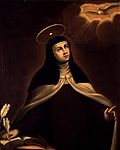
La obra representa a la mística española Santa Teresa de Jesús (1515-1582).
🎭 Theater And Drama
Theater is a big part of Spanish literature and has been for hundreds of years! 🎭In the Golden Age, playwrights like Lope de Vega wrote more than 1,800 plays, making him really famous! His works often showed everyday life and love stories. Another famous figure was Federico García Lorca, who wrote passionate plays like "Blood Wedding." Modern Spanish theater continues to grow with new voices and styles, discussing important topics like family, identity, and dreams. Going to a play is a fun way to enjoy literature, especially when you see the characters come alive on stage! 🌟
Go deeper📚 Literary Movements
Spanish literature has seen many different literary movements that changed how stories are told! 📚The “Renaissance” introduced a focus on human experience and nature. The “Baroque” period included rich language and stunning imagery. Then came the “Romanticism” movement, which celebrated emotions and individualism. Later, "Modernism" emerged with experimental styles, breaking from traditional storytelling. In the contemporary era, movements like Postmodernism explore ideas about reality and fiction. Each movement brought something new, making Spanish literature a vibrant tapestry of creativity and expression! 🌈
Go deeper🎭 Major Literary Periods
Spanish literature has several important periods! The earliest is called "Medieval Literature," which includes fun stories and poems from the 10th to 15th centuries. Then came the "Golden Age" in the 16th and 17th centuries, when playwrights like Lope de Vega were super famous! 🎭Next is the "19th Century," marked by romantic novels, followed by the "Modernism" of the 20th century, which brought new styles. Finally, we have "Contemporary Literature," where many exciting new writers create stories today. Each period has unique characteristics and delightful stories that continue to inspire readers!
Go deeper🏇 Notable Spanish Authors
Many amazing authors have contributed to Spanish literature! One famous writer is Miguel de Cervantes, who wrote "Don Quixote," a story about a man who thinks he's a knight! 🏇Another talented author is Federico García Lorca, whose poems are mesmerizing and magical! There’s also Carmen Laforet, who wrote important novels during the 20th century. Don't forget Gabriel García Márquez, known for his magical realism style! 🪄Each author brought their unique voice and creativity, enriching the world of literature for readers like you!
Go deeper🌟 Influential Works And Novels
There are many influential works in Spanish literature! "Don Quixote" by Miguel de Cervantes is famous for its humor and adventure. 🌟"One Hundred Years of Solitude" by Gabriel García Márquez tells an incredible multi-generational story filled with magic! Then, there’s "The House of the Spirits" by Isabel Allende, which explores the supernatural and family bonds. Another great book is "The Shadow of the Wind" by Carlos Ruiz Zafón, a thrilling tale about mystery and love for books. 📖All these works have inspired readers around the world and show the richness of Spanish storytelling!
Go deeper📝 Poetry In Spanish Literature
Poetry is an important part of Spanish literature! 📝One of the greatest poets was Pablo Neruda, who wrote beautiful love poems that make hearts flutter! 💖Then, there’s Antonio Machado, known for his nature-inspired verses. Another fun poet is Gloria Fuertes, who wrote children's poems that spark joy and imagination. In Spain, poetry has been cherished for centuries, celebrating everything from love to landscapes. Many poets also perform their works, making poetry a lively and enjoyable experience. The rhythm of the words plays a big role in making these poems magical! 🎶
Go deeper🎉 Contemporary Spanish Literature
Today, Spanish literature is as exciting as ever! 🎉New authors are publishing incredible stories that reflect modern life. Some well-known contemporary writers include Javier Marías, who writes about imagination and memories, and Rosa Montero, who deals with themes like identity and gender. 🧑🎤 Many authors are also sharing their stories in unique formats like graphic novels and digital books. Internationally, Spanish literature has gained recognition and is translated into many languages, reaching readers worldwide. This connection across borders shows how powerful and relatable stories can be! 🌍
Go deeper🌎 Translations And Global Influence
Spanish literature is not only enjoyed in Spain but around the world! 🌎Many classic and modern Spanish works have been translated into different languages, allowing readers everywhere to enjoy them. Authors like Isabel Allende and Gabriel García Márquez have won awards and acclaim in many countries! Their unique styles and themes open windows into Spanish culture, making it relatable to people from different backgrounds. 🌟Literature has the power to connect us all, and Spanish literature's global influence continues to inspire new generations of writers and readers! 📚💫
Go deeper🕌 Historical Development Of Spanish Literature
Spanish literature started around the 10th century, during the time of the Moors! 🕌They developed poetry that expressed love and nature, and it became really popular. In the 13th century, King Alfonso X created stories called "Cantigas," which were song-like tales. By the 15th century, the Golden Age began, leading to incredible stories and plays. This period lasted until the 17th century and was filled with wonderful authors and dramatic adventures. The Spanish Civil War in the 20th century also changed literature, with many new styles and ideas appearing. 📝📖
Go deeper