Sonoran Desert Facts For Kids
The Sonoran Desert is a vast and diverse arid region characterized by its unique flora, fauna, and stunning landscapes, encompassing parts of Arizona, California, and Mexico.
Select reading age
Sonoran Desert Facts For Kids
Videos & Quizzesincluded
About this topic
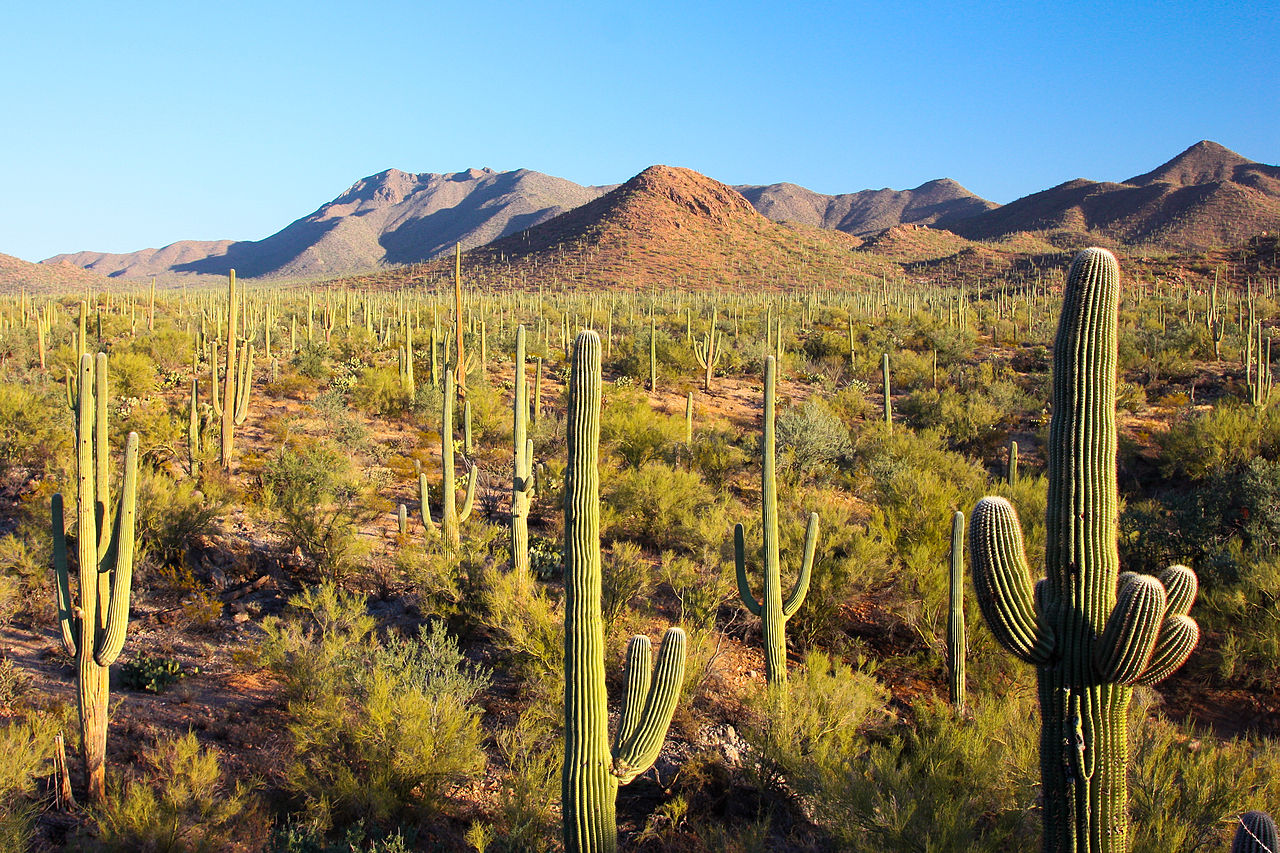
The Sonoran Desert is a beautiful and vast area located in the southwestern United States and northwestern Mexico. It covers around 100,000 square miles! 🌵This desert is known for its stunning landscapes, with tall cactus plants like the Saguaro 🌵, which can grow over 40 feet high! The desert experiences hot temperatures during the day and cooler nights. You can find the Sonoran Desert mainly in Arizona, California, and Mexico, making it a unique place to explore!
Explore with ChatDinoKey Points
The Sonoran Desert is home to more than 2,000 plant species!
The weather in the Sonoran Desert is divided into two main seasons: the dry season and the rainy season.
The Sonoran Desert is known for its unique ecosystems, including the creosote bush community and the cactus forest.
The Sonoran Desert is not just a natural wonder; it also holds great cultural significance.
The Sonoran Desert has unique geography, including mountains, valleys, and sandy areas.
The Sonoran Desert has been home to several Native American tribes for thousands of years.
The Sonoran Desert attracts many visitors who love to explore its stunning landscapes.
Humans have impacted the Sonoran Desert with urban development, agriculture, and tourism.
Photos of Sonoran Desert

The Sonoran Desert near Tucson, Arizona during winter

Velvet mesquite (Prosopis velutina)

Washingtonia filifera, the desert fan palm, in Anza Borrego Desert State Park

Sonoran Desert — photo 4

Sonoran Desert — photo 5

Sonoran Desert — photo 6

Sonoran Desert — photo 7

Sonoran Desert — photo 8

Sonoran Desert — photo 9
🌼 Flora And Fauna
The Sonoran Desert is home to more than 2,000 plant species! 🌼You can find iconic plants like the Saguaro cactus, which can live for over 150 years. Many animals also find shelter here, including the elusive desert tortoise 🐢 and the playful coyote 🐺. The Sonoran Desert is famous for its vibrant ecosystems, with animals like the Gila monster and the roadrunner bird! 🐦These amazing creatures have adapted to live in the harsh desert environment.
Go deeper🌞 Weather Patterns
The weather in the Sonoran Desert is divided into two main seasons: the dry season and the rainy season. 🌞The dry season lasts from late fall to early spring, with sunny skies and little rain. However, during the rainy season, the desert experiences sudden storms and heavy downpours! 🌧️ These rains create temporary rivers and are vital for replenishing plants and water sources. The contrast between hot days and cool nights means animals have different behavior patterns, depending on the season.
Go deeper🌵 Unique Ecosystems
The Sonoran Desert is known for its unique ecosystems, including the creosote bush community and the cactus forest. 🌵These distinct areas support various plants and animals that thrive in dry climates. The desert also features beautiful seasonal changes, from lush greenery during the monsoon rains to dry, sandy landscapes in winter. This variety makes the Sonoran Desert one of the most biodiverse places on Earth! 🌍Each ecosystem plays a vital role in the health of the desert environment.
Go deeper✨ Cultural Significance
The Sonoran Desert is not just a natural wonder; it also holds great cultural significance. Many Native American tribes have stories and traditions connected to this land. They believe the desert is sacred and a source of life. ✨The desert is also important for the culture of people living in cities like Tucson and Phoenix, who celebrate events and festivals that highlight their connection to nature. With its unique landscapes and rich history, the Sonoran Desert continues to inspire art, music, and stories! 🎨🎶
Go deeper🏞️ Geography And Climate
The Sonoran Desert has unique geography, including mountains, valleys, and sandy areas. 🏞️ It's surrounded by the Colorado River and the Gulf of California. This desert is one of the hottest in North America, with summer temperatures soaring above 100°F (37°C)! The winter months are much cooler, sometimes dropping below freezing at night. ☃️ Despite being a desert, it does get rain, especially during the monsoon season, which lasts from July to September.
Go deeper🌿 Native American Tribes
The Sonoran Desert has been home to several Native American tribes for thousands of years. The Tohono O'odham and the Yaqui tribes are two of the most well-known groups. 🌿These tribes have a deep connection to the land, using its plants and animals for food and shelter. They also have rich cultural traditions, including storytelling and craft-making. Today, many Native tribes continue to live in the Sonoran Desert, preserving their heritage and sharing their stories with the world. 💖
Go deeper🏜️ Recreation And Tourism
The Sonoran Desert attracts many visitors who love to explore its stunning landscapes. 🏜️ Popular activities include hiking, bird-watching, and camping. One famous spot is the Organ Pipe Cactus National Monument, where you can see beautiful cacti and wildlife. 🐦Many people enjoy taking pictures of the amazing sunsets and vast starry skies at night! 🌌Tourists can also learn about the desert's unique ecosystems by visiting museums and cultural centers in the area.
Go deeper🌍 Human Impact And Conservation
Humans have impacted the Sonoran Desert with urban development, agriculture, and tourism. 🌍Cities like Tucson and Phoenix are located in this region, which means more people and activities. However, this can harm sensitive desert ecosystems. Conservation efforts are crucial to protect the desert's unique plants and animals. Organizations work hard to create national parks and wildlife reserves, like the Saguaro National Park, to preserve the natural beauty of the desert for future generations. 🌿
Go deeper