Solvent Facts For Kids
A solvent is a special substance that dissolves another substance called a solute, resulting in a solution, and plays a vital role in chemistry and everyday life.
Select reading age

Solvent Facts For Kids
Videos & Quizzesincluded
About this topic
A solvent is a special liquid that helps dissolve other substances called solutes! 🌊Imagine making a yummy drink: when you mix sugar in water, the water is the solvent and the sugar is the solute. Together, they create a sweet drink known as a solution! Solvents can be found all around us and are super important in science and everyday life! They help make things mix and flow, like in paints, cleaning products, and even in our bodies! It’s like magic when one thing can change into another, isn’t it? 🎩✨
Explore with ChatDinoKey Points
There are many different types of solvents!
Solvents have special properties that make them helpful!
Here are some cool solvent facts to impress your friends!
The future of solvents is exciting!
Let’s dive deeper into polar and non-polar solvents!
We use solvents every day without thinking about it!
Solvents are superstars in many industries!
While many solvents are useful, some can be harmful!
Have you ever wondered how things change during chemical reactions?
When we talk about solutions, we also talk about concentration and dilution!
Photos of Solvent
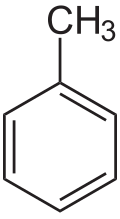
Structure of Toluene

Chemical structure of 1,4-dioxane
![Ethyl acetate, a nail polish solvent.[1]](https://upload.wikimedia.org/wikipedia/commons/thumb/e/e5/Ethyl-acetate-3D-balls.png/960px-Ethyl-acetate-3D-balls.png)
Ethyl acetate, a nail polish solvent.[1]

Skeleton diagram of a Pentane molecule

Skeletal formula of hexane, C 6 H 14 .

Skeleton diagram of a Heptane molecule

chemical structure of en:tetrahydrofuran . This W3C-unspecified vector image was created with Inkscape .

Structure of ethyl ethanoate (ethyl acetate)

Skeletal formula of acetone . Created using ACD/ChemSketch 10.0 , Inkscape and vim .
🌈 Types Of Solvents
There are many different types of solvents! Some are like friends that get along well with others, while some prefer to keep to themselves! Solvents can be classified mainly into two types: polar and non-polar solvents. 🌈Polar solvents, like water, have a slight charge and dissolve substances well, especially salts and sugars! On the other hand, non-polar solvents, like oil, don’t have that charge and are best for dissolving oils and fats. 🍕✨ Knowing which solvent to use is key for getting things to mix perfectly!
Go deeper🌟 Properties Of Solvents
Solvents have special properties that make them helpful! One property is how well they can dissolve things, called solubility. 🌟For instance, sugar is very soluble in water, making sweet drinks possible! Another property is boiling point—the temperature at which a solvent turns into vapor. Water boils at 100 degrees Celsius. ☕Solvents can also be colorless, like water, or colorful, like colored ink! Their properties help scientists and everyday people mix and create things! Isn't it fascinating how these characteristics make solvents so useful? 🤔💡
Go deeper🎉 Fun Facts About Solvents
Here are some cool solvent facts to impress your friends! 🎉Did you know water is sometimes called the “universal solvent”? That’s because it dissolves more substances than any other liquid! 🌊Another fun fact is that the world’s biggest solvent is the ocean, which holds about 97% of all Earth’s water! 🌊🌎 Lastly, did you know that alcohol is also a solvent? It’s used in hand sanitizers and some medicines! 🍹Now that you know these fun facts, you’re officially a solvent expert! 🥳Keep exploring to discover even more!
Go deeper🌟 Future Trends In Solvent Use
The future of solvents is exciting! 🌟Scientists are working hard to find eco-friendly solvents that are safer for us and the environment. Imagine using natural substances like orange peels or corn as solvents! 🍊♻️ This helps reduce pollution and makes the world a cleaner place! Researchers are also improving methods to recycle solvents so they can be reused over and over! With innovations and discoveries, solvents will continue to be useful while keeping our planet safe and shining! Let’s look forward to a bright and green future! 🌍💚
Go deeper🎨 Polar Vs. Non-polar Solvents
Let’s dive deeper into polar and non-polar solvents! 🎨Polar solvents, like water, have tiny charges that help them attract other substances, making them great for dissolving salts and sugars! Imagine tiny magnets that pull things in! 🌪️ Non-polar solvents, like oil, don’t have charges. This means they don’t mix well with polar substances, like water. 🥖So when you try to mix oil and water, they separate! It’s like two puzzle pieces that don’t fit together. Knowing the difference helps us choose the right solvent for the task!
Go deeper💧 Common Solvents In Daily Life
We use solvents every day without thinking about it! Water is the most common solvent, found in oceans, lakes, and even in your glass at dinner! 💧Did you know different household products also have solvents? For example, nail polish remover uses acetone as a solvent to dissolve the polish! 🖌️ Cleaning supplies often contain solvents to help get rid of dirt and grease. Even paints use solvents to mix colors smoothly. 🖌️ From cleaning our rooms to mixing things up with drinks, solvents are everywhere!
Go deeper🚀 Solvent Applications In Industry
Solvents are superstars in many industries! 🚀In factories, they are used to make products like medicines, paints, and cosmetics. 💄For example, in the pharmaceutical industry, solvents help create pills and medicines that keep us healthy! In the auto industry, they help clean and paint cars. 🚗Even in electronics, solvents assist in manufacturing gadgets! This means that without solvents, many of the cool things we use every day might not exist! Isn’t it amazing how these liquids help so many jobs and inventions?
Go deeper⚠️ Safety And Environmental Concerns
While many solvents are useful, some can be harmful! ⚠️ Solvents may release fumes that can be dangerous if inhaled, like those in paint or nail polish remover. That’s why it’s important to use these products in well-ventilated areas. 🌬️ Some solvents can also pollute water and land if not disposed of properly. It’s essential to recycle and follow safety guidelines when using them! 🌍Caring for the environment helps keep our planet healthy and safe for all living things. With the right care, we can enjoy solvents while protecting Mother Earth!
Go deeper🧪 The Role Of Solvents In Chemical Reactions
Have you ever wondered how things change during chemical reactions? Solvents play a vital role! 🧪When chemicals mix in a solvent, it helps them interact and change into new substances. Many important reactions happen in the water, like in our bodies! 💓Cells need water to transport nutrients and waste, keeping us healthy! In labs, scientists use solvents to mix chemicals and discover new creations! By being the “go-between,” solvents help make amazing things happen—like cupcakes rising in the oven! 🍰✨
Go deeper💧 Making Solutions: Concentration And Dilution
When we talk about solutions, we also talk about concentration and dilution! 💧Concentration is how much solute is in a solvent. For example, if you add lots of sugar to water, it becomes a sweet, concentrated solution. 🍭But if you add more water to the sugary drink, it becomes less concentrated, or diluted! A good way to remember is like making lemonade—more water means less sour! Understanding concentration helps us make the perfect drinks and even paints! It’s like being a scientist in your kitchen! 🥳🔬
Go deeper