Solanales Facts For Kids
The Solanales are an interesting order of flowering plants within the asterid group of eudicots, containing many important species for agriculture and ecosystems.
Select reading age
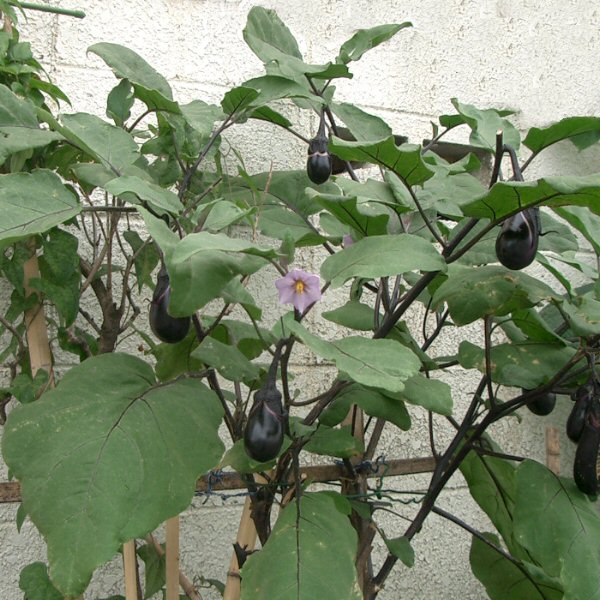
Solanales Facts For Kids
Videos & Quizzesincluded
About this topic
Solanales 🌼 is a cool group of flowering plants! They belong to a large family of plants called eudicots. This order includes over 3,000 different species! Some well-known plants in Solanales are tomatoes, potatoes, and eggplants 🍆. You can find them in many different parts of the world! Solanales plants can be herbs, shrubs, or even small trees. They are known for their pretty flowers and tasty fruits. 🌈Learning about Solanales helps us understand how plants grow and give us food!
Explore with ChatDinoKey Points
There are many famous plants in the Solanales order!
Many Solanales plants are doing well, but some face challenges.
Solanales plants are important in many cultures!
Solanales plants play important roles in the environment!
Solanales plants have unique ways to reproduce!
Solanales plants are found all over the world!
Solanales plants bring us many things we use or eat every day!
Solanales is classified into several families, with 6 main ones!
Plants in the Solanales order share some cool physical features!
Scientists are always studying Solanales plants!
🍅 Notable Species
There are many famous plants in the Solanales order! Here are a few you might know:
1. Tomato 🍅 - Grown in gardens and farms worldwide!
2. Potato 🥔 - Found in many dishes like fries and mashed potatoes!
3. Bell Pepper 🫛 - Comes in many colors and is great in salads!
4. Eggplant 🍆 - Looks purple and can make delicious dishes!
5. Tobacco 🌱 - Used for products like cigarettes, but it's not healthy!
These notable species showcase the diversity and importance of the Solanales order! 🌍
Go deeper1. Tomato 🍅 - Grown in gardens and farms worldwide!
2. Potato 🥔 - Found in many dishes like fries and mashed potatoes!
3. Bell Pepper 🫛 - Comes in many colors and is great in salads!
4. Eggplant 🍆 - Looks purple and can make delicious dishes!
5. Tobacco 🌱 - Used for products like cigarettes, but it's not healthy!
These notable species showcase the diversity and importance of the Solanales order! 🌍
🌍 Conservation Status
Many Solanales plants are doing well, but some face challenges. 🌍These plants can be affected by habitat loss, pollution, and climate change. For example, certain species of wild tomatoes are in danger of disappearing because their natural homes are being destroyed. 😢To help, people are working hard to protect these areas and study the plants more. 🌿Supporting local gardens and awareness can help ensure that Solanales plants continue to thrive for future generations!
Go deeper🌎 Cultural Significance
Solanales plants are important in many cultures! 🌎For example, tomatoes are a key part of Italian cooking, while potatoes are essential in the Andes of South America, where they originated. 🥔Many cultures also use these plants in traditional medicine. 🌼The artwork and festivals celebrate plants like peppers and eggplants showing their impact on people's lives. By learning about these plants, we can learn about food, history, and culture too! 🌹🙌
Go deeper🌳 Ecological Importance
Solanales plants play important roles in the environment! 🌳They help provide food for animals and humans. 🐦Many birds and insects feed on their fruits and flowers. Additionally, they can help improve soil quality and prevent erosion. 🌱Some species attract pollinators like bees and butterflies, which are essential for plant reproduction. So, by supporting biodiversity, Solanales plants help keep our ecosystems healthy and thriving! 🌈❤️
Go deeper🌼 Reproductive Strategies
Solanales plants have unique ways to reproduce! 🌼Most produce flowers that contain male and female parts, allowing them to create seeds. 🐝Many flowers attract insects like bees and butterflies, which help with pollination. These insects allow the plants to exchange pollen between flowers and form seeds. Some plants, like the potato, can also reproduce through small pieces called tubers. 🌱This means they can grow new plants even if they don’t produce seeds! Both strategies help keep their populations growing!
Go deeper🌍 Habitat And Distribution
Solanales plants are found all over the world! 🌍They like many different habitats, from warm tropical rainforests to cooler temperate regions. Some grow in gardens while others thrive in the wild. For example, tomatoes are commonly grown in farms in the United States 🇺🇸, while nightshades can be found in many places across Europe. 🌾These plants are very adaptable and can survive in different soils, which makes them super interesting to study!
Go deeper🥙 Economic Uses Of Solanales
Solanales plants bring us many things we use or eat every day! 🥙For example, tomatoes, potatoes, and eggplants are all from this plant order and are staples in many recipes 🍽️. In addition to food, they also provide materials for medicines! Some plants have chemicals that can help treat diseases. 🌿This makes Solanales valuable not just for lunch but for health as well! Let's not forget the beautiful flowers! 🌺People use them for decoration too!
Go deeper🌳 Classification Of Solanales
Solanales is classified into several families, with 6 main ones! 🌳They are:
1. Solanaceae (the nightshade family, including potatoes and tomatoes)
2. Convolvulaceae (the morning glory family)
3. Hydrophyllaceae (the waterleaf family)
4. Sphenocleaceae
5. Nolanaceae
6. Boraginaceae (the borage family)
Plants in this order are usually categorized together because they share similar flower structures and characteristics! 🌺
Go deeper1. Solanaceae (the nightshade family, including potatoes and tomatoes)
2. Convolvulaceae (the morning glory family)
3. Hydrophyllaceae (the waterleaf family)
4. Sphenocleaceae
5. Nolanaceae
6. Boraginaceae (the borage family)
Plants in this order are usually categorized together because they share similar flower structures and characteristics! 🌺
🌟 Morphological Characteristics
Plants in the Solanales order share some cool physical features! 🌟Many have simple or compound leaves and can have different shapes and sizes. Their flowers often bloom in groups, making them look extra pretty! 🌷They usually have five petals, some can even have bright colors like purple, yellow, and white. Another special trait is their fruits, like berries 🍓 or capsules. These characteristics help to identify and study the different plants in this order easily!
Go deeper🕵️♂️ Research And Studies In Solanales
Scientists are always studying Solanales plants! 🕵️♂️ They want to learn more about their properties, how they grow, and how to protect them. Some research focuses on improving crops like tomatoes to resist diseases 🦠, which helps farmers! Others study how plants can be used in medicine to create new treatments. 🏥Researchers also look at how climate change is affecting Solanales plants and what we can do to help! This research is essential to ensuring that these wonderful plants stay healthy and support us in the future! 🌍
Go deeper