Sisal Facts For Kids
Sisal is a flowering plant native to southern Mexico that is known for its strong fibers, which are used to create ropes, twine, and various durable products.
Select reading age

Sisal Facts For Kids
Videos & Quizzesincluded
About this topic
Sisal is a special plant that grows in warm places, mainly in southern Mexico 🇲🇽. It's known for its long, strong leaves from which we can get a tough fiber! This fiber is used to make things like ropes, mats, and even bags. Sisal can also be found in countries like Brazil 🇧🇷, Madagascar 🇲🇬, and Kenya 🇰🇪. It's a popular choice because it grows well in dry areas with not much water. Not only is sisal useful, but it’s also fun to learn about how it helps people and the environment! 🌱
Explore with ChatDinoKey Points
Sisal is important for many countries because it helps farmers earn money!
Sisal farming can be good for our planet!
Sisal fibers are super strong and can be used to make many useful things!
Sisal has a fascinating history!
Sisal belongs to the Agave family, which means it's related to other cool plants like aloe vera!
Sisal leaves are long and sword-like, usually measuring between 3 to 8 feet!
The journey of sisal begins with planting the seeds!
While sisal is strong, it can still face some challenges from pests!
Sisal is often farmed in sunny places with poor soil 🌞.
Sisal is just one type of plant fiber, but it's special in its own way!
Photos of Sisal

Sisal — photo 1

Sisal — photo 2
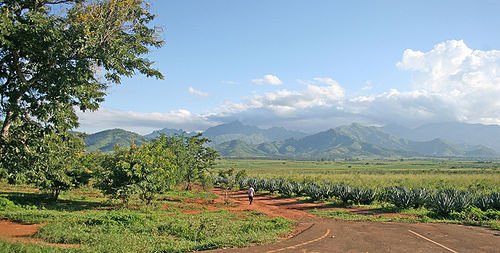
Sisal — photo 3

Sisal — photo 4

Sisal wall covering (the gray below the wooden cornice) in a Latter-day Saints meetinghouse. Due to its common use in meetinghouses, it has become a meme in Mormon culture.
💰 Economic Importance
Sisal is important for many countries because it helps farmers earn money! 💰In Brazil and Kenya, sisal farming creates jobs and boosts the economy. It is a cash crop, meaning farmers grow it specifically to sell rather than for their own use. Countries export sisal fibers worldwide, contributing to international trade. In 2021, global sisal production was estimated at about 120,000 metric tons! 📊Sisal helps support communities and allows them to invest in schools, healthcare, and other valuable needs. Thus, sisal is more than just a plant; it contributes to the livelihood of many people!
Go deeper🌱 Environmental Impact
Sisal farming can be good for our planet! 🌱🌍 It needs very little water, which is important in dry areas. Also, sisal plants help prevent soil erosion by keeping the soil in place with their roots. Moreover, since sisal is biodegradable, it doesn't create much pollution when it's thrown away. Farmers can cultivate sisal using eco-friendly methods, which means they don't have to use harmful chemicals. This allows animals and plants to live peacefully around sisal farms. So, growing sisal can be a great way to help the environment! 🌳
Go deeper🎨 Uses And Applications
Sisal fibers are super strong and can be used to make many useful things! 🎨Ropes are one of the most common products made from sisal. Moreover, sisal is used for making mats, carpets, and twine, and even in animal bedding! Because of its rough texture, it is very popular in making scratchy items for cats 🐱. It's also environmentally friendly because sisal is biodegradable, which means it can break down naturally without harming the Earth! 🌍So, when you see ropes or mats, there's a good chance that sisal was involved!
Go deeper🌽 Historical Significance
Sisal has a fascinating history! The Mayans in Mexico used sisal as far back as 500 AD! 🌽They created strong ropes and other items from it. Later on, in the 19th century, sisal became popular in other parts of the world, especially in Africa. The fibers started being used for shipping ropes, helping traders all over the globe. 📦Today, sisal is still used in various products, and people appreciate it just like the Mayans did! By learning about its history, we can understand how sisal has shaped communities over time. ⏳
Go deeper🌵 Botanical Classification
Sisal belongs to the Agave family, which means it's related to other cool plants like aloe vera! 🌵Its scientific name is Agave sisalana. Sisal plants can grow up to 5 feet tall, and they have sharp, spiky leaves that can be green or grayish-green. In the wild, sisal flowers might bloom once every few years, showing beautiful yellow flowers 🌼! Agave sisalana is a succulent, meaning it stores water in its leaves. This helps it survive during hot, dry days. Isn't it amazing how plants have their special families? 👨👩👦
Go deeper⚔️ Physical Characteristics
Sisal leaves are long and sword-like, usually measuring between 3 to 8 feet! ⚔️ They have a tough texture which helps protect the plant from hungry animals. The color of the leaves can change, sometimes being bright green or pale green. When they finally bloom, sisal plants grow tall flower stalks that can reach over 10 feet! 🌺Each stalk has a cluster of yellow flowers that attract bees and other pollinators. When you touch the leaves, you might feel their roughness! This roughness is what makes sisal fiber so strong. 💪
Go deeper🌞 Sisal Production Process
The journey of sisal begins with planting the seeds! Farmers plant them under the sun and wait patiently as they grow 🌞. After a few years, the leaves are cut and stripped to reveal the strong fibers inside. The fibers are then washed, dried, and sometimes twisted together to make them even stronger. 🌬️ Once they are ready, they can be shipped to factories worldwide. There, the fibers are turned into ropes, mats, and much more! This whole process takes care and skill, showing how important each step is in getting sisal into our hands!
Go deeper🐛 Common Pests And Diseases
While sisal is strong, it can still face some challenges from pests! 🐛Common pests include mealybugs and caterpillars that love munching on the leaves. Farmers need to keep an eye out for these tiny creatures. If pests attack, it can hurt the plants and the fiber production. Additionally, some diseases like fungal infections can also affect sisal plants. 🌧️ But don't worry; with good care and natural treatments, farmers can protect their harvest! This ensures the plants stay healthy and continue to provide us with that amazing sisal fiber we know and love! 🌿
Go deeper🌞 Cultivation And Harvesting
Sisal is often farmed in sunny places with poor soil 🌞. Farmers plant sisal seeds or small plants, and they usually need to wait about 4 to 7 years before the first harvest! After that, harvesting is done by cutting the leaves off the plant. Workers then strip the fibrous leaves to collect the sisal fibers, which can be dried in the sun ☀️. This process is done carefully to avoid harming the plant, so it can grow more leaves for future harvests. Each plant can be harvested multiple times, which helps farmers earn money! 🌾
Go deeper🌼 Comparison With Other Fibers
Sisal is just one type of plant fiber, but it's special in its own way! 🌼Compared to cotton, sisal is much stronger and rougher. While cotton feels soft against your skin, sisal is often used for tougher products like ropes and mats. Other fibers like jute and hemp are also strong, but sisal shines in dry climates where it can easily grow! Each fiber has its own qualities and uses, making them unique in the textile world. So, whether you see cotton or sisal, remember that they all have their special roles to play! 🌟
Go deeper