Silicone Rubber Facts For Kids
Silicone rubber is a versatile and durable elastomer known for its high heat resistance, flexibility, and chemical stability, making it suitable for a wide range of applications.
Select reading age
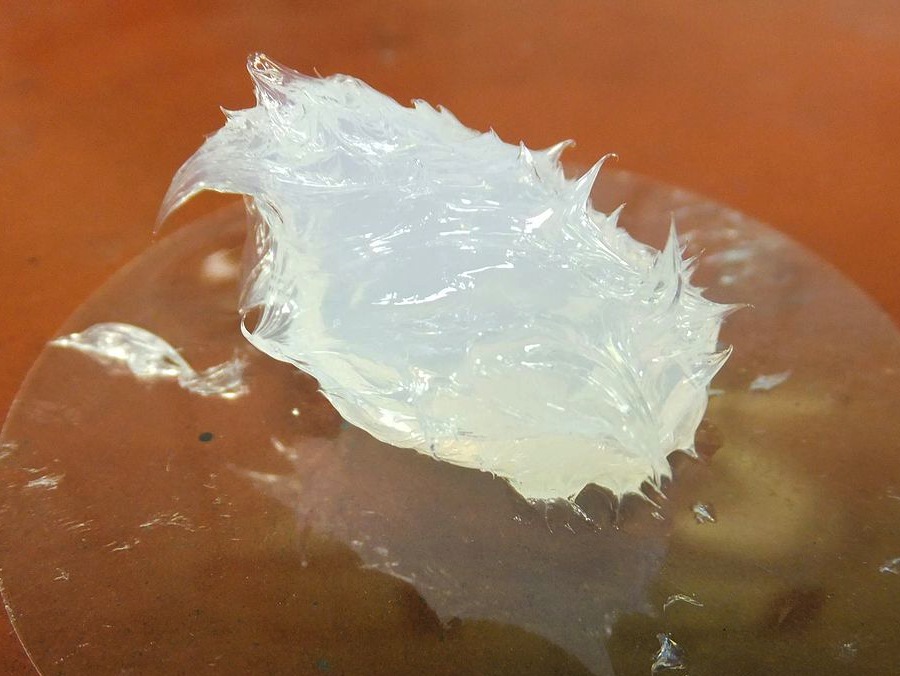
Silicone Rubber Facts For Kids
Videos & Quizzesincluded
About this topic
Silicone rubber is a special kind of material that feels stretchy and flexible! 🤸♂️ It's made from silicon, which is found in sand, and oxygen. 🌍This super material is used in many things we see daily, like toys, kitchen gadgets, and car parts. With its colorful varieties and soft touch, silicone rubber is both fun and useful! 🎨It’s heat-resistant, meaning it can handle hot things like cookie sheets fresh from the oven! 🍪So, next time you see something made of silicone, remember it’s a cool, magical material made to help us in so many ways!
Explore with ChatDinoKey Points
Silicone rubber is mostly made of silicon (Si) and oxygen (O) atoms.
Silicone rubber is considered more environmentally friendly than regular plastics.
Making silicone rubber is a fascinating process!
Silicone rubber is used in many industries!
Silicone rubber was invented by a chemist named Frederick Kipping in the early 1900s.
Silicone rubber has some amazing properties!
The future of silicone rubber looks bright!
Silicone rubber is a type of elastomer, which means it is stretchy like rubber bands!
Photos of Silicone Rubber

Overview of the most commonly used silicone systems

Crosslinking by organic peroxides

Silicone rubber chain

Repeat unit of silicone rubber

A silicone rubber pastry brush

Silicone 3d print with support material
🧪 Chemical Composition
Silicone rubber is mostly made of silicon (Si) and oxygen (O) atoms. 🧪These atoms bond together to form long chains called polymers. The repeating unit of silicone rubber has a chain structure, which gives it its stretchy properties! 🎈In addition to silicon and oxygen, sometimes carbon (C) and hydrogen (H) are added, especially in flavors like silicone bakeware! This flexibility and durability make it perfect for many products we love. When you see things like mats or molds, remember it’s all about that smart chemical composition working hard!
Go deeper🌿 Environmental Impact
Silicone rubber is considered more environmentally friendly than regular plastics. 🌿Unlike some plastics, silicone is not made from petroleum, which is a non-renewable resource. 🌍Additionally, silicone rubber is long-lasting. It takes many years to break down, but when it does, it doesn’t release harmful chemicals into the environment! ☠️ That being said, recycling silicone can be challenging. Some recycling centers take it, but not all. However, research is happening to create better recycling methods for silicone, helping to make sure this amazing material can be reused safely in the future! ♻️
Go deeper🎩 Manufacturing Processes
Making silicone rubber is a fascinating process! 🎩First, scientists mix silicon with oxygen and other elements to create a thick, gooey liquid called silicone polymer. 🧪This mixture is then shaped into the desired form, like molds or sheets. Next, heat is added in a process called vulcanization, where the material is cured to make it strong and stretchy. 🔥After curing, the silicone rubber is cooled down and cut into the final shapes we use! This clever creation process allows for vibrant colors, fun shapes, and diverse uses, making it perfect for products all around us!
Go deeper🏭 Applications In Industry
Silicone rubber is used in many industries! 🏭In the kitchen, it makes bakeware, spatulas, and cupcake molds. 🍰In cars, it helps create seals and gaskets to prevent leaks. 🚗In medicine, silicone rubber is used for making medical devices like syringes and catheters because it's safe and easy to clean! 🏥It’s also popular in electronics for coating wires and equipment to keep them safe. 💻From household items to big machines, silicone rubber helps make our lives easier and safer in various ways!
Go deeper🎩 History Of Silicone Rubber
Silicone rubber was invented by a chemist named Frederick Kipping in the early 1900s. 🎩He first made it in 1907 in England. The name "silicone" comes from the silicon in the material, which is the second most abundant element in the Earth’s crust. 🌍It wasn't until the 1940s that silicone rubber became really popular, especially during World War II to make durable seals and parts for military vehicles. 🚗As time passed, scientists found more ways to use silicone rubber in everyday products! Today, it is found everywhere, thanks to its inventors and innovative uses!
Go deeper🌟 Properties And Characteristics
Silicone rubber has some amazing properties! 🌟It can stretch to three times its original size without breaking! 💪It also stays strong in extreme temperatures – from super hot 🔥 to super cold ❄️. Silicone rubber doesn't absorb water, making it great for things near the kitchen sink or bath. Also, it's non-toxic, so it is safe for food and kids! 👶Finally, silicone rubber can resist UV light and oxidation, which means it won't get damaged by sunlight or air. These characteristics help it last for a long time, making it a favorite for many products!
Go deeper🌟 Future Trends In Silicone Rubber
The future of silicone rubber looks bright! 🌟Scientists are always finding new ways to use silicone in unique applications. For instance, they are working on using silicone rubber in 3D printing, making it easier to create custom designs. 🖨️ There are also exciting developments in the medical field, with stronger and more flexible silicone for implants and prosthetics! 🏥Furthermore, we might see more eco-friendly silicone products as companies improve recycling processes to keep our planet safe! 🌍So, buckle up for an exciting ride with silicone rubber innovations ahead! 🚀
Go deeper🏀 Silicone Rubber Vs. Other Elastomers
Silicone rubber is a type of elastomer, which means it is stretchy like rubber bands! 🏀However, unlike regular rubber made from natural sources, silicone rubber can withstand higher temperatures. 🌡️ Natural rubber can melt while silicone rubber stays intact, making it more useful for baking and cooking. 🍳Also, silicone rubber doesn’t decay quickly like natural rubber; it lasts much longer and is more eco-friendly! 🌎While other elastomers may break down or get brittle over time, silicone rubber maintains its amazing properties, helping it stand out in the material world! 🌈
Go deeper