All Articles

Serbia

Serbia Facts For Kids

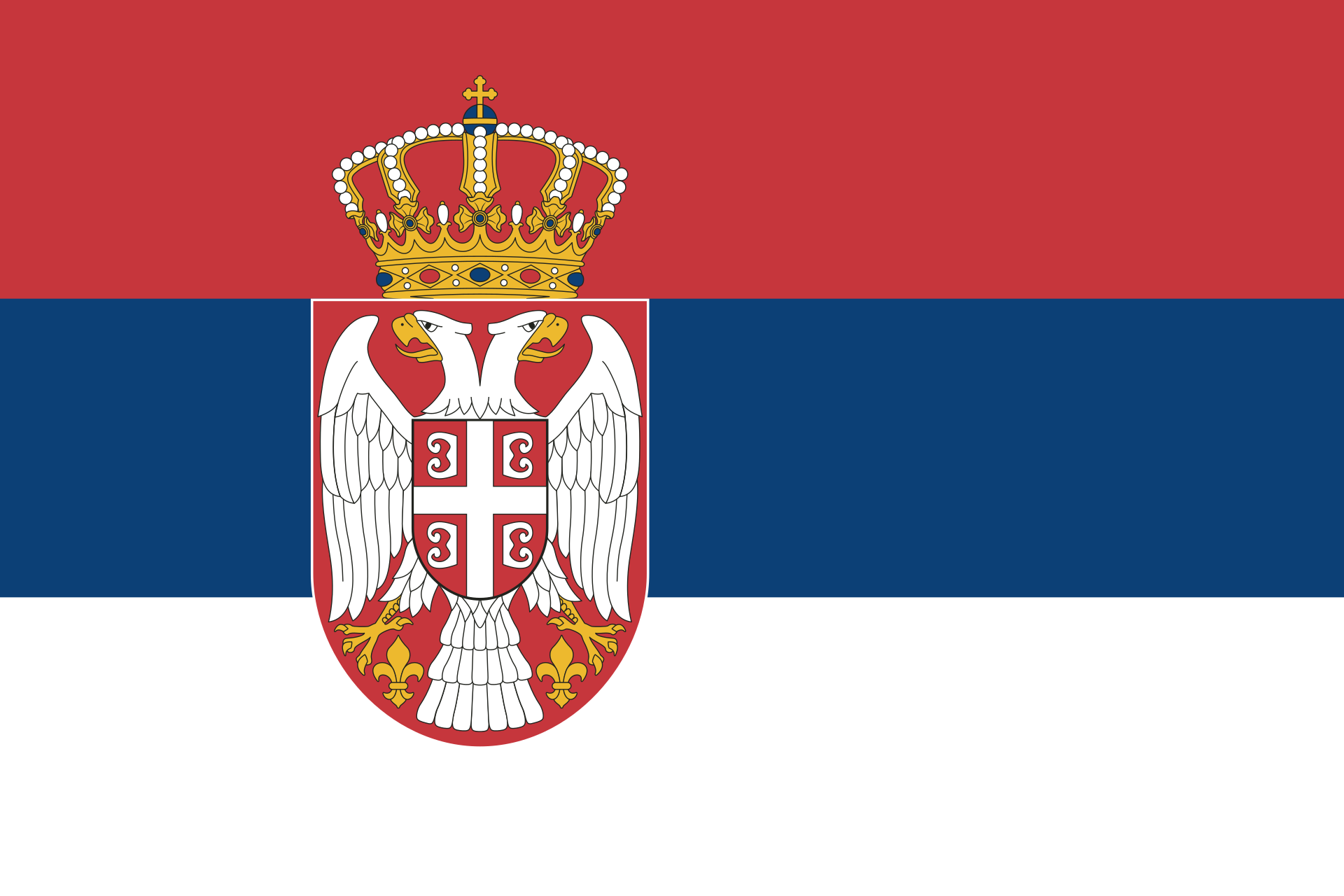
Serbia is a landlocked country in Southeast Europe known for its rich history, diverse culture, and stunning natural landscapes.
🎨 Reading age for 6-8
Background blob
Serbia
Serbia
Facts for Kids!

Do more with AI

Introduction

Serbia is a country located in Southeast Europe, in a region called the Balkans. It has a population of about 7 million people and covers an area of 77,474 square kilometers (29,913 square miles). The capital city is Belgrade, which is known for its vibrant culture and history. 🇷🇸 The official language is Serbian, and the currency used is the Serbian dinar. Serbia is famous for its beautiful landscapes, ancient monasteries, and warm hospitality. It has a mix of mountains, plains, and rivers, perfect for adventures and exploration! 🌄

Images of Serbia

(Green) Serbia . (Light-green) Kosovo (partially recognized). (Gray) Europe . (Light-gray) The surrounding region. See also categories: SVG locator maps of countries of Europe (gray and green scheme) and SVG locator maps of countries in European Union (gray and green scheme) .

(Green) Serbia . (Light-green) Kosovo (partially recognized). (Gray) Europe . (Light-gray) The surrounding region. See also categories: SVG locator maps of countries of Europe (gray and green scheme) and SVG locator maps of countries in European Union (gray and green scheme) .

Vinča culture figurine, 4000–4500 BC

Vinča culture figurine, 4000–4500 BC

Remnants of the Felix Romuliana Imperial Palace, 298 AD, a UNESCO World Heritage Site; Some historians believe as many as 18 Roman emperors were born in modern-day Serbia[24][25]Image by Pudelek (Marcin Szala), licensed under Creative Commons Attribution-Share Alike 3.0 rs

Remnants of the Felix Romuliana Imperial Palace, 298 AD, a UNESCO World Heritage Site; Some historians believe as many as 18 Roman emperors were born in modern-day Serbia[24][25]

The Coronation of the tsar Stefan Dušan, known as Dušan the Mighty, in Skopje, as Emperor of Serbs and Greeks in 1346

The Coronation of the tsar Stefan Dušan, known as Dušan the Mighty, in Skopje, as Emperor of Serbs and Greeks in 1346

The Battle of Kosovo in 1389 is particularly important to Serbian history, tradition and national identity[44]

The Battle of Kosovo in 1389 is particularly important to Serbian history, tradition and national identity[44]

Migration of the Serbs, by Paja Jovanović (c. 1896), depicting the Great Migration of 1690, led by the patriarch Arsenije III Crnojević

Migration of the Serbs, by Paja Jovanović (c. 1896), depicting the Great Migration of 1690, led by the patriarch Arsenije III Crnojević

The Serbian Revolution, led by Karađorđe and Miloš Obrenović, marked the foundation of modern Serbia[70]

The Serbian Revolution, led by Karađorđe and Miloš Obrenović, marked the foundation of modern Serbia[70]

King Peter I of Serbia led the nation during the Great Serbian Retreat in 1915. Serbia lost about 850,000 people, a quarter of its pre-war population.[90]

King Peter I of Serbia led the nation during the Great Serbian Retreat in 1915. Serbia lost about 850,000 people, a quarter of its pre-war population.[90]

The Great People's Assembly of Serbs, Bunjevci and other Slavs in Banat, Bačka and Baranja, the Serbian Crown Lands in Austria-Hungary, (today's Vojvodina) declared unification with the Kingdom of Serbia on 25 November 1918

The Great People's Assembly of Serbs, Bunjevci and other Slavs in Banat, Bačka and Baranja, the Serbian Crown Lands in Austria-Hungary, (today's Vojvodina) declared unification with the Kingdom of Serbia on 25 November 1918

A monument commemorating the victims of the Nazi German established Sajmište concentration camp, a part of the Holocaust in German-occupied Serbia and Genocide of SerbsImage by dejandanailov, licensed under Creative Commons Attribution-Share Alike 3.0

A monument commemorating the victims of the Nazi German established Sajmište concentration camp, a part of the Holocaust in German-occupied Serbia and Genocide of Serbs

(Green) Serbia . (Light-green) Kosovo (partially recognized). (Gray) Europe . (Light-gray) The surrounding region. See also categories: SVG locator maps of countries of Europe (gray and green scheme) and SVG locator maps of countries in European Union (gray and green scheme) .

(Green) Serbia . (Light-green) Kosovo (partially recognized). (Gray) Europe . (Light-gray) The surrounding region. See also categories: SVG locator maps of countries of Europe (gray and green scheme) and SVG locator maps of countries in European Union (gray and green scheme) .

Vinča culture figurine, 4000–4500 BC

Vinča culture figurine, 4000–4500 BC

Remnants of the Felix Romuliana Imperial Palace, 298 AD, a UNESCO World Heritage Site; Some historians believe as many as 18 Roman emperors were born in modern-day Serbia[24][25]Image by Pudelek (Marcin Szala), licensed under Creative Commons Attribution-Share Alike 3.0 rs

Remnants of the Felix Romuliana Imperial Palace, 298 AD, a UNESCO World Heritage Site; Some historians believe as many as 18 Roman emperors were born in modern-day Serbia[24][25]

The Coronation of the tsar Stefan Dušan, known as Dušan the Mighty, in Skopje, as Emperor of Serbs and Greeks in 1346

The Coronation of the tsar Stefan Dušan, known as Dušan the Mighty, in Skopje, as Emperor of Serbs and Greeks in 1346

The Battle of Kosovo in 1389 is particularly important to Serbian history, tradition and national identity[44]

The Battle of Kosovo in 1389 is particularly important to Serbian history, tradition and national identity[44]

Migration of the Serbs, by Paja Jovanović (c. 1896), depicting the Great Migration of 1690, led by the patriarch Arsenije III Crnojević

Migration of the Serbs, by Paja Jovanović (c. 1896), depicting the Great Migration of 1690, led by the patriarch Arsenije III Crnojević

The Serbian Revolution, led by Karađorđe and Miloš Obrenović, marked the foundation of modern Serbia[70]

The Serbian Revolution, led by Karađorđe and Miloš Obrenović, marked the foundation of modern Serbia[70]

King Peter I of Serbia led the nation during the Great Serbian Retreat in 1915. Serbia lost about 850,000 people, a quarter of its pre-war population.[90]

King Peter I of Serbia led the nation during the Great Serbian Retreat in 1915. Serbia lost about 850,000 people, a quarter of its pre-war population.[90]

The Great People's Assembly of Serbs, Bunjevci and other Slavs in Banat, Bačka and Baranja, the Serbian Crown Lands in Austria-Hungary, (today's Vojvodina) declared unification with the Kingdom of Serbia on 25 November 1918

The Great People's Assembly of Serbs, Bunjevci and other Slavs in Banat, Bačka and Baranja, the Serbian Crown Lands in Austria-Hungary, (today's Vojvodina) declared unification with the Kingdom of Serbia on 25 November 1918

A monument commemorating the victims of the Nazi German established Sajmište concentration camp, a part of the Holocaust in German-occupied Serbia and Genocide of SerbsImage by dejandanailov, licensed under Creative Commons Attribution-Share Alike 3.0

A monument commemorating the victims of the Nazi German established Sajmište concentration camp, a part of the Holocaust in German-occupied Serbia and Genocide of Serbs

Cuisine

Serbian cuisine is delicious and hearty! 🍽️ One popular dish is sarma, which are cabbage rolls filled with seasoned meat and rice, often served with creamy sauce. Another favorite is ćevapi, small grilled sausages made of minced meat, often enjoyed in a warm flatbread called lepinja. 🥙Serbian meals often include fresh salads and delicious desserts like krempita, a creamy pastry. Whether dining at home or in a restaurant, Serbian food is an important part of sharing love and hospitality with friends and family!

History

The history of Serbia goes back over a thousand years! One of the most important events was the establishment of the Serbian Kingdom in the 12th century. A famous ruler, Stefan Nemanja, helped to unite the Serbian people. 🎉In the 20th century, Serbia was part of Yugoslavia, which was made up of several countries. After Yugoslavia broke apart in the 1990s, Serbia became an independent country in 2006. The country has faced challenges, but it has a rich heritage with something to teach us about resilience and courage! 🏰

Music And Arts

Serbia has a vibrant music and arts scene! 🎶Folk music is a big part of Serbian culture, featuring traditional instruments like the accordion and flute. Songs are often about love, nature, and stories from the past. Serbia also has many talented artists and writers. The famous writer Ivo Andrić won a Nobel Prize for Literature in 1961! 🖌️ Art exhibitions and cultural festivals happen throughout the year, showcasing the creativity and talent of Serbian people while celebrating their rich heritage! 🎉

Famous Landmarks

Serbia is filled with amazing landmarks to explore! One of the most famous is the Kalemegdan Fortress in Belgrade, which has stood for centuries and offers breathtaking views of the Danube River. 🏰Another cool spot is the Studenica Monastery, a UNESCO World Heritage Site known for its beautiful frescoes. The charming town of Niš, which is the birthplace of the Roman Emperor Constantine the Great, also attracts visitors. 🗺️ Each landmark tells the story of Serbia's rich history and culture, making them exciting places to visit!

Political Structure

Serbia has a democratic political structure! 🇷🇸 It is governed by a Parliament, which makes laws and represents the people. The President of Serbia is the head of state, while the Prime Minister leads the government. Every four years, citizens can vote for their leaders, allowing them to voice their opinions and choose their representatives! 📜Serbia is divided into 29 districts, each with its own local government to help with community needs. This system helps maintain order and ensures everyone has a voice!

Economy And Industry

Serbia’s economy is diverse and growing! The country produces many things, including cars, machinery, and food. 🚗Vranje and Novi Sad are key cities for industry. Agriculture is also important, with farmers growing fruits, vegetables, and grains. Serbia is known for its delicious raspberries and is one of the top producers in the world! 🍓Trade with neighboring countries boosts the economy, helping create jobs and opportunities for the people. Science and technology are also becoming more important in Serbia’s expanding economy! 💼

Sports And Recreation

Sports are very popular in Serbia! ⚽The country is known for its talented athletes in sports like basketball, soccer, and tennis. Novak Djokovic, a world-famous tennis player, calls Serbia home! 🎾Many kids love to play sports in schools and local clubs, such as basketball and football. Hiking and skiing in the beautiful mountains are also fun activities for families to enjoy together. 🤗Festivals and events often include friendly competitions, bringing people together to celebrate their love for sports and teamwork! 🏅

Culture And Traditions

Serbia has a rich culture filled with unique traditions! One of the most important holidays in Serbia is Slava, where families honor their patron saint with special food and gatherings. 🎊Folk music and dancing are also a big part of Serbian culture, with colorful costumes and lively performances at festivals. Traditional food includes sarma (cabbage rolls) and ćevapi (grilled meat). 🎶Serbian people are very friendly and love to share their customs with visitors, making it a great place to learn about new traditions!

Geography And Natural Features

Serbia is a land of diverse geography! 🌍It has beautiful mountains, like the Kopaonik and the Tara, perfect for hiking and skiing. The Danube River, Europe’s second-longest river, flows through Serbia, providing stunning views and great fishing spots! The country's nature parks, such as Fruška Gora, are home to many unique plants and animals, making them fantastic for exploring! 🦋Serbia also has many caves, like the gorgeous Resava Cave, that reveal nature's hidden treasures!

Serbia Quiz

Q1
Question 1 of 10

Learn more about Serbia

Ready to create?

Make

To create a safe space for kid creators worldwide!

Create

Vibe Coding

Kids GPT

All Tools

Kibu

Resources

Worksheets

SafeTube

Blog

FAQ

Account

Pricing

Log-in

Sign-up

Data Deletion

Company

About

Community Guidelines

Privacy Policy

Terms of Service

2025, URSOR LIMITED. All rights reserved. DIY is in no way affiliated with Minecraft™, Mojang, Microsoft, Roblox™ or YouTube. LEGO® is a trademark of the LEGO® Group which does not sponsor, endorse or authorize this website or event. Made with love in San Francisco.