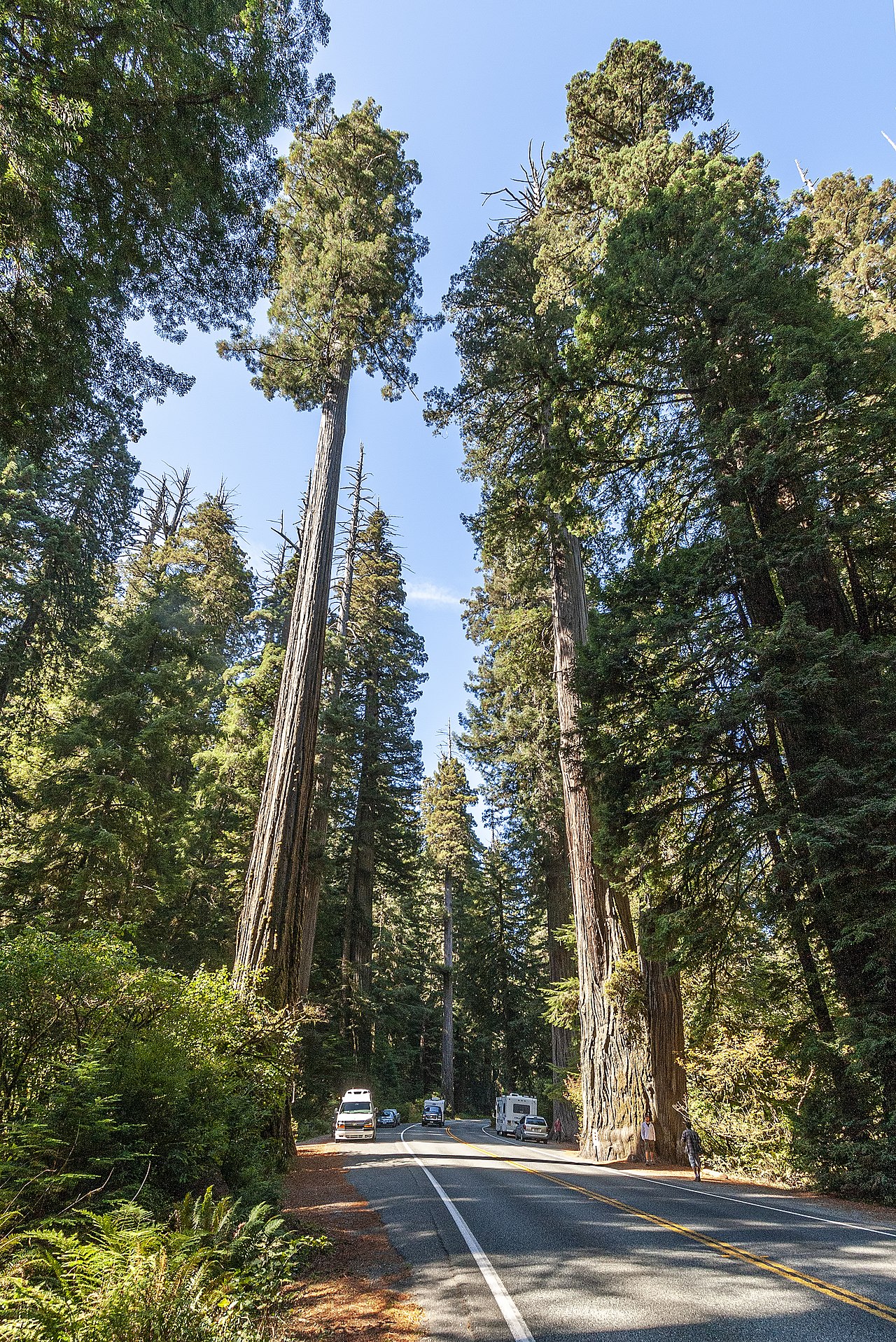
Sequoia sempervirens, or coast redwood, is the tallest and one of the oldest tree species in the world, thriving in the coastal regions of California and southern Oregon.
Set reading age
View for Kids
Easy to read and understand
View for Students
Clear, detailed explanations
View for Scholars
Deep dives and big ideas
Sequoia sempervirens, also known as the coast redwood, is the tallest tree in the world! 🌳These impressive trees can grow over 350 feet tall, which is taller than a 35-story building! Coast redwoods are found mainly in California, along the beautiful Pacific Coast. They thrive in mild temperatures and need plenty of water, especially from fog. These ancient trees can live for over 2,000 years, making them some of the oldest living beings on our planet! 🌍Isn’t that amazing? Their scientific name means "evergreen" because they keep their green leaves all year round!
Coast redwoods belong to a family called Cupressaceae, which includes other conifer trees. 🧬Their full scientific name is Sequoia sempervirens. This tree is unique and is the only living member of its genus, Sequoia. 🌱Sequoias are closely related to giant sequoias, which are also huge but grow inland, while coast redwoods grow along the coast. Other relatives in the cypress family include cypress trees and junipers. What a special family of trees! 🌳
Did you know that the tallest coast redwood is named Hyperion? 🌟It was discovered in 2006 in California and is about 379.7 feet tall! Coast redwoods can survive for centuries, and the oldest known redwood, named "Methuselah," is over 2,000 years old! 🕰️ The bark from redwoods is so thick that it can protect them from fire and pests! Isn’t that incredible? 🌍If you ever get to see one in real life, it’s like standing next to a giant who has stories to tell! 🥳
Coast redwoods are highly sought-after for their strong, durable wood. 🌲People use this wood to make furniture, decks, and even for building homes! What's interesting is that redwood wood has natural resistance to decay, making it a great choice for outdoors. 🌳However, we must be careful not to cut them down too much because we need to protect these incredible trees. Sustainable forestry practices are essential so that we can enjoy their beauty while using their resources responsibly!
Coast redwoods are currently listed as a "vulnerable" species by conservation organizations. 🛡️ This means they are at risk due to deforestation and habitat loss. Only about 5% of the original coast redwood forests remain today. 🌲Luckily, many forests are now protected in parks. Organizations are working hard to conserve and restore these beautiful trees. 🌳It's crucial to protect coast redwoods so future generations can enjoy them, too!
Sequoia sempervirens is a fast-growing tree when it’s young! 🌱They can grow up to 2-3 feet per year, which is impressive! These trees can reach mature height in around 50-100 years. 🌳Coast redwoods are famous for their long lifespans; some can live for over 2,000 years! This means they have seen many changes in the Earth! 🕰️ Because they grow so tall, they can outcompete other trees for sunlight, helping them become giants in the forest!
Coast redwoods have a special place in the culture of many Native American tribes, including the Yurok and Karuk. 🌿They have used redwoods for totem poles, canoes, and homes for thousands of years. Today, people from all over the world visit redwood parks to admire their beauty. 🌳The trees inspire art, literature, and even movies! By visiting these majestic trees, we learn to appreciate nature and understand the importance of preserving our environment.
Coast redwoods play an important role in their ecosystem. 🌍They provide habitats for various animals, such as birds, squirrels, and even endangered species like the northern spotted owl. 🦉The dense forests also help filter the air, improve water quality, and regulate erosion. Redwoods can absorb large amounts of carbon dioxide, helping to combat climate change. 🌱The fallen leaves and wood create nutrient-rich soil that helps other plants thrive. Isn’t it amazing how interconnected everything is?
Coast redwoods face several threats that can harm their survival. ☆ Deforestation for timber and urban development takes away their habitat. Forest fires, climate change, and pollution also pose significant challenges. 🌡️ Insects and diseases like the redwood bark beetle can weaken these trees, making them vulnerable. 🌍It’s important for everyone to take steps to protect the environment and ensure these giant trees continue to thrive!
Coast redwoods grow in a specific habitat along the Pacific Coast, mainly in California! 🌊They can also be found in a small part of southern Oregon. These trees love cool, moist climates with lots of rainfall. They prefer areas that get fog, which provides more water during summer months. 🌫️ The tallest trees are often in protected national and state parks, like the famous Redwood National Park. This park is home to thousands of these incredible trees and attracts many visitors each year. 🥾
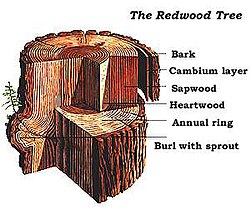
Coast redwoods have a distinctive appearance. 🌲Their bark is thick, reddish-brown, and can be more than a foot thick, protecting them from fire and pests. Their leaves are needle-like, soft, and shiny, growing in flat sprays that look like a feather! 🍃These trees can reach heights of over 350 feet and can measure up to 30 feet in diameter! Their enormous size and tall stature make them impressive to see. It's like standing next to a natural skyscraper! 🏢