Scheldt Facts For Kids
The Scheldt is a 435-kilometre-long river that flows through northern France, western Belgium, and the southwestern part of the Netherlands, with its mouth at the North Sea.
Select reading age
Scheldt Facts For Kids
Videos & Quizzesincluded
About this topic
The Scheldt is a big river that stretches 435 kilometers! 🌊It travels through three countries: northern France, western Belgium, and southwestern Netherlands before splashing into the North Sea. The river has been important for many years. People use it for travel, trade, and fun activities. Did you know that “Scheldt” is pronounced like “SHEL-t”? This river is very special because it provides homes for animals and helps people with their daily lives!
Explore with ChatDinoKey Points
People are working hard to protect the Scheldt!
Like many rivers, the Scheldt faces some challenges!
The Scheldt is home to many amazing animals and plants!
The Scheldt has inspired stories and legends, adding to its charm!
The Scheldt is like a highway, but for boats!
The Scheldt has some cool “little rivers” that join it along the way, called tributaries!
Many people rely on the Scheldt for their jobs!
The Scheldt begins in a cozy place called the “Vosges mountains” in France.
To keep the Scheldt flowing smoothly, engineers have built important structures!
The Scheldt has a rich history!
Photos of Scheldt

Locatiemaas2

The Scheldt at Antwerp, photochrom, ca. 1890-1900

"View of Antwerp with the frozen Scheldt" (1590) by Lucas van Valckenborch

U.S. President Harry S. Truman and Secretary of State James F. Byrnes wave at HMS Hambledon while on board the USS Augusta on the river Scheldt as they head to the Potsdam Conference on 15 July 1945

Aerial view of the Scheldt estuary, looking toward Antwerp from the northwest

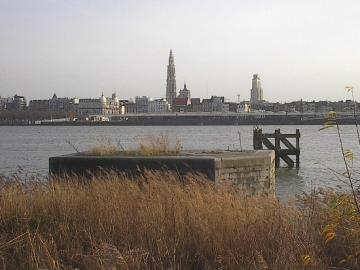
The Scheldt in Antwerp at sunset

The navigable river Escaut/Scheldt from Cambrai to the North Sea (from European Waterways Map and Directory, 5th edition)
🌍 Conservation Efforts
People are working hard to protect the Scheldt! 🌍Various organizations and governments are teaming up to make sure the water stays clean and the habitats for plants and animals are safe. They plant trees, clean up litter, and hold educational programs to raise awareness. Everyone can help by learning more about the river and encouraging others to respect nature!
Go deeper🥺 Environmental Challenges
Like many rivers, the Scheldt faces some challenges! 🥺Pollution from factories and farms can harm the water and wildlife. Building houses and roads can change the river’s path, making it harder for animals to thrive. Climate change is also a concern, causing changes in water levels and temperatures. It’s essential to take care of this river so future generations can enjoy its beauty!
Go deeper🦆 Biodiversity And Ecosystems
The Scheldt is home to many amazing animals and plants! 🦆It holds fish like salmon and eels, while wonderful birds such as herons and kingfishers fly above. The wetlands along the river are bursting with life, giving shelters for frogs, insects, and even otters! 🌿This healthy ecosystem helps maintain balance in nature and provides food and homes for wildlife.
Go deeper📖 Cultural Impact And Folklore
The Scheldt has inspired stories and legends, adding to its charm! 📖In folklore, it’s said that ancient spirits live in the river, protecting the towns along its banks. Local festivals celebrate the river and its culture, and artists create paintings showcasing its beauty. Many songs have been written about the Scheldt, making it an important part of local traditions and heritage!
Go deeper🚢 Navigation And Transportation
The Scheldt is like a highway, but for boats! 🚢Ships travel up and down the river, carrying people and goods. The river is carefully monitored to ensure it stays deep enough for vessels to pass safely. Many ports, like the one in Antwerp, are busy places filled with workers loading and unloading cargo. People use this river for everything, from fishing to exploring new places!
Go deeper🌊 Major Tributaries And Watershed
The Scheldt has some cool “little rivers” that join it along the way, called tributaries! 🌊Some big ones include the River Escaut and River Sambre. These tributaries add even more water to the Scheldt. The area around the river is called a watershed, where rainwater collects to flow into the river. This watershed is crucial for plants and animals! It provides fresh water for trees, fish, and even birds.
Go deeper🚤 Economic Importance Of The River
Many people rely on the Scheldt for their jobs! 🚤It is a vital trade route for transporting goods like food, machines, and more. Large ships carry these items from one place to another, helping local businesses to grow. Because the river connects to the North Sea, it allows for international trading as well, making it crucial for economies in France, Belgium, and the Netherlands!
Go deeper🏔️ Geography And Course Of The Scheldt
The Scheldt begins in a cozy place called the “Vosges mountains” in France. 🏔️ As it flows north, it moves through cities like Amiens and Antwerp before reaching the North Sea. The river winds through beautiful landscapes such as fields and forests. It gives life to many areas along its banks, making it a vital waterway! The total distance the river travels is similar to driving from one city to another in just a few hours.
Go deeper🏗️ Civil Engineering And Infrastructure
To keep the Scheldt flowing smoothly, engineers have built important structures! 🏗️ Dams, locks, and levees help control the water levels. These innovative designs prevent flooding and make navigation easier for ships. The infrastructure also helps protect communities that live nearby, ensuring they stay safe even during storms. Engineers continually improve these structures to manage water more efficiently and protect our environment!
Go deeper🏰 Historical Significance Of The Scheldt
The Scheldt has a rich history! 🏰It has been around for thousands of years, serving as a crucial transportation route for explorers and traders. In the 17th century, battles were fought over this river to control trade. Major cities like Ghent and Bruges became wealthy thanks to the Scheldt. People historically relied on it for resources, making it a significant part of the culture and economy in Europe.
Go deeper