Savu Sea Facts For Kids
The Savu Sea is a small but ecologically and culturally rich body of water in Indonesia, bordered by various islands and known for its diverse marine life.
Select reading age
Savu Sea Facts For Kids
Videos & Quizzesincluded
About this topic
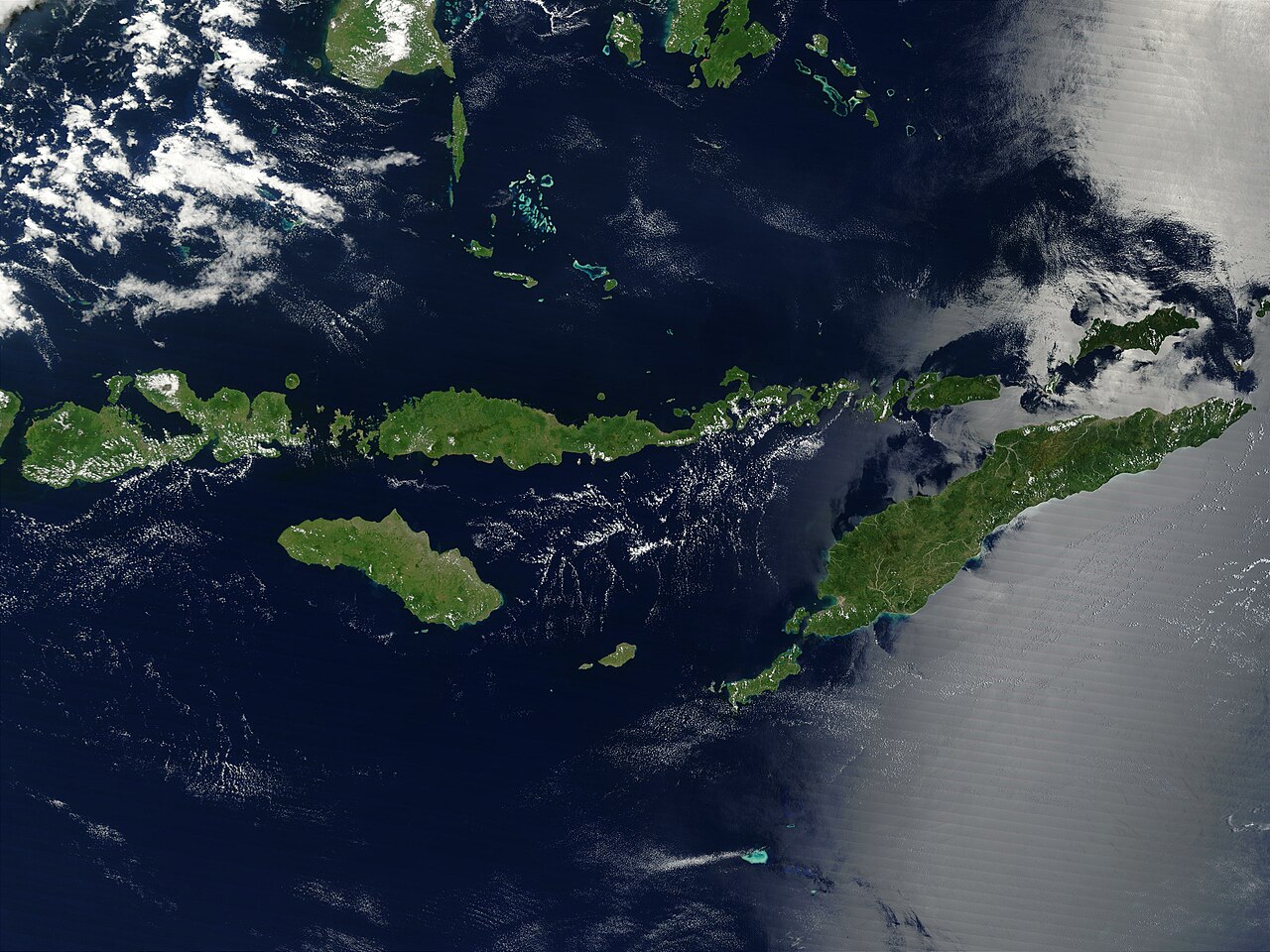
The Savu Sea is a special sea in Indonesia! 🌊It is located between the islands of Sumba to the north and Savu to the south. The sea is about 118,000 square kilometers in size and is part of a larger area called the Lesser Sunda Islands. The Savu Sea is not too deep, with an average depth of about 50 meters. A fun fact is that the sea's name comes from Savu Island! 🏝️ Many people love to visit this beautiful area because of its pristine waters and rich culture.
Explore with ChatDinoKey Points
The Savu Sea is filled with culture and traditions!
The Savu Sea plays an essential role in the economy of the surrounding islands!
Did you know that the Savu Sea is home to many exciting marine animals?
Many people care about protecting the Savu Sea and its amazing resources!
The Savu Sea has a fascinating history!
Unfortunately, the Savu Sea faces some challenges!
The Savu Sea is very important for the environment!
The Savu Sea is surrounded by many interesting places!
The weather around the Savu Sea is warm and tropical!
Surrounding the Savu Sea are many exciting islands!
Photos of Savu Sea

Savu Sea — photo 1
🏞️ Cultural Importance
The Savu Sea is filled with culture and traditions! 🏞️ Many local communities, such as the Savu people, live near its shores. They have unique customs, languages, and dances that celebrate their love for the sea. Fishing is a vital part of their daily lives, with local markets selling fresh seafood. 🌊Cultural festivals often take place, where people share stories and songs about the sea. The Savu Sea connects the people to their history and identity, making it a vital part of their lives!
Go deeper🐟 Economic Activities
The Savu Sea plays an essential role in the economy of the surrounding islands! 🐟Fishing is a major activity, providing food and jobs for many families. Local fishermen catch various fish, such as tuna and snapper, and sell them in markets for people to enjoy. Tourism is also growing, with visitors coming to explore the stunning beaches and unique marine life. 🏖️ Eco-tourism is becoming popular as people want to see the beautiful coral reefs while protecting the environment. This helps the local economy thrive while preserving nature!
Go deeper🐳 Marine Biodiversity
Did you know that the Savu Sea is home to many exciting marine animals? 🐳You can find colorful fish, playful dolphins, sea turtles, and even sharks swimming in its waters! There are over 500 different species of fish, making it a true underwater treasure! 🌈The coral reefs are packed with life, supporting creatures like sea urchins and anemones. This rich biodiversity is important not only for the sea's health but also for local fishermen who rely on these fish for food and income. 🌊
Go deeper🌿 Conservation Efforts
Many people care about protecting the Savu Sea and its amazing resources! 🌿Local communities and organizations work together to keep the sea healthy. They plant coral reefs to help them grow and clean the waters to prevent pollution. Special parks and protected areas have been created to preserve marine life. Educational programs teach both kids and adults about the importance of the sea and how they can help. 🐢Many efforts focus on teamwork to ensure the sea remains beautiful for future generations to enjoy!
Go deeper🌏 Historical Exploration
The Savu Sea has a fascinating history! Explorers and traders have visited this area for many years. 🌏In the 16th century, Portuguese traders arrived seeking spices and precious goods. Later, the Dutch established trading routes in the 17th century! The wealth of marine resources attracted many people to explore the islands further. This rich history influences the culture and traditions of the region today. Heritage sites can be found on nearby islands, reminding everyone of the past and exciting adventures within the Savu Sea!
Go deeper🌊 Threats And Challenges
Unfortunately, the Savu Sea faces some challenges! 🌊Pollution from plastic waste and overfishing creates dangerous situations for marine life. Climate change is causing rising sea temperatures, which can harm coral reefs. 🐚Additionally, coastal development sometimes leads to habitat loss for underwater creatures. It is essential for everyone—kids and adults—to work together to solve these problems. By practicing responsible fishing, reducing waste, and supporting conservation efforts, we can help protect the beautiful Savu Sea for future generations! 🌍
Go deeper🌍 Ecological Significance
The Savu Sea is very important for the environment! 🌍It supports many different kinds of plants and animals. The sea has beautiful coral reefs that are homes to fish, sea turtles, and other amazing creatures. 🌊These reefs help keep the water clean by reducing pollution and providing food for the animals living there. The Savu Sea is also a breeding ground for many species of fish, making it essential for balancing the ecosystem. It shows us how nature works together to stay healthy!
Go deeper🌴 Geography Of The Savu Sea
The Savu Sea is surrounded by many interesting places! On the northern side, you'll find Sumba Island, which is known for its unique culture and beautiful beaches. To the south lies Savu Island, where people enjoy fishing and making handicrafts. 🌴To the west, you can find Flores Island. The waters of the Savu Sea are connected to other seas, like the Indian Ocean to the west and the Timor Sea to the southeast. The sea has small coral reefs and is an amazing spot for adventures! 🐠
Go deeper☀️ Climate And Weather Patterns
The weather around the Savu Sea is warm and tropical! ☀️ The average temperature is around 27°C (81°F), making it perfect for swimming and playing on the beach. 🏝️ The sea has a wet season from December to March, bringing more rain and humidity. Thunderstorms can happen during this time! The dry season runs from April to November, causing sunny skies and calm waters. 🌈Knowing the climate helps people plan their activities and take care of the environment in the Savu Sea area.
Go deeper🌴 Nearby Islands And Communities
Surrounding the Savu Sea are many exciting islands! 🌴Some of the closest ones include Sumba, Flores, and Rote. Each island has unique cultures, languages, and delicious foods! For instance, Sumba is known for its traditional weaving, while Flores boasts the famous Komodo dragons 🐉. Local communities celebrate festivals and events that reflect their rich heritage. The islands work together to protect the sea and share resources. Every island is a part of the larger story of the Savu Sea!
Go deeper