Sandfly Facts For Kids
Sandflies are small, blood-feeding insects known for their painful bites and role as vectors for several infectious diseases.
Select reading age
Sandfly Facts For Kids
Videos & Quizzesincluded
About this topic
Sandflies are tiny insects, measuring about 1 to 6 millimeters long! 🦟These little creatures are found mostly in warm, humid areas like tropical regions, especially in places like Florida, Central America, and some parts of Africa. Sandflies love to hang around sandy beaches and marshy areas. They are known for their annoying bites, which can be itchy and uncomfortable. Interestingly, sandflies come from the family Psychodidae, which means “whirlwind,” and they are often mistaken for mosquitoes. Understanding these insects helps us know how to deal with them! 🏖️
Explore with ChatDinoKey Points
Sandflies are known for their hungry appetites!
Did you know that some sandflies are super tiny?
Sandflies play an essential role in ecosystems!
Sandflies are small, flying insects with hairy wings and long legs.
Keeping safe from sandflies is very important!
Sandflies go through four stages in their life cycle: egg, larva, pupa, and adult!
Sandflies live in warm, damp places around the world!
Scientists are always studying sandflies to understand them better!
Sandflies can be sneaky little creatures!
Photos of Sandfly

Sandfly — photo 1
🍽️ Feeding Habits
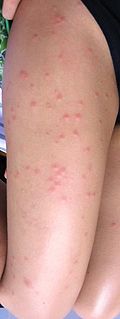
Sandflies are known for their hungry appetites! 🍽️ Female sandflies need to eat blood to develop their eggs. They use their specialized mouthparts, called proboscis, to pierce the skin and suck blood from animals and humans. 🦓When they bite, they also inject saliva, which can cause an itchy reaction! Males do not feed on blood; instead, they prefer to consume nectar from flowers. 🌸It’s interesting to know that not all bites can spread diseases, but if they do, it's because of the saliva injected during feeding. Watch out for those bites! 💉
Go deeper🌟 Interesting Facts
Did you know that some sandflies are super tiny? 🌟The smallest sandfly species is less than 1 millimeter long! Also, sandflies can be found on every continent except Antarctica, adapting to various environments. Interestingly, male sandflies have large, bushy antennas, making them look fluffier compared to females! 🐧Another fun fact is that not all sandflies bite; some species are harmless! Learning these fun facts can make you appreciate sandflies a bit more—after all, they are part of our planet’s wildlife! 🌏
Go deeper🌼 Role In Ecosystems
Sandflies play an essential role in ecosystems! 🌼They are part of the food web, as many animals, like birds and bats, feed on them. This helps keep sandfly populations in check! Additionally, they help pollinate plants by feeding on nectar, which is vital for plant growth. 🌱Their larvae also contribute to soil health by breaking down organic matter, improving the nutrient content of the soil. This interaction helps many plants grow strong and healthy! 🌳Without sandflies, some creatures would struggle to find food, and ecosystems could be affected!
Go deeper🦵 What Is A Sandfly?
Sandflies are small, flying insects with hairy wings and long legs. 🦵They are part of the order Diptera, which also includes flies and mosquitoes! Unlike mosquitoes, sandflies are usually more active during the evening or nighttime. Their bite can be very itchy, and it often happens when they feed on the blood of mammals, birds, and even reptiles! Sandflies are found all over the world, including regions like the Americas, Europe, and Africa. 📍Scientists identify them by their unique body shape and size. Remember, not all sandflies are dangerous, but some can spread diseases! 🌍
Go deeper🛡️ Control And Prevention
Keeping safe from sandflies is very important! 🛡️ You can wear long-sleeved clothing and use insect repellents containing DEET to avoid bites. It's best to stay indoors during the evening when sandflies are most active. 🏠If you are at the beach or near wetlands, try to avoid sitting on the ground or near water. You can also use screens on windows and doors to keep sandflies out of your home! ⚠️ Learning about prevention helps us enjoy nature without worrying about bites! Remember, staying informed is a fun and smart way to protect ourselves! 🌅
Go deeper🥚 Life Cycle Of Sandflies
Sandflies go through four stages in their life cycle: egg, larva, pupa, and adult! 🥚The adult female sandfly lays its eggs in moist, dark places, usually near sandy areas. The eggs then hatch into larvae, which live in the soil and feed on organic material. In this stage, they are little worm-like creatures! After several weeks, the larvae change into pupae, where they undergo metamorphosis. 🐛Finally, the adult sandfly emerges from the pupa, ready to fly and find food. The whole cycle can take just a few weeks, depending on the temperature! 🕒
Go deeper🌎 Habitat And Distribution
Sandflies live in warm, damp places around the world! 🌎They thrive near beaches, rivers, and wetlands. For example, the common sandfly can be found in sandy and bushy areas of the Americas, Europe, and Asia. These insects prefer temperatures between 20°C to 30°C (68°F to 86°F) to breed and feed. They are often found in places with lots of vegetation, as it provides shelter and food. 🌳Knowing where sandflies live helps us understand how to avoid them and keep safe from their bites! If you’re going to a sandy beach, keep this in mind! 🏝️
Go deeper🔍 Research And Future Studies
Scientists are always studying sandflies to understand them better! 🔍Research aims to figure out how to control their populations and prevent diseases they may carry. New technologies, like genetic studies, can help identify dangerous sandfly species. There’s also research on using natural predators, like birds and bats, to keep sandfly populations low. 🦉Researchers are working hard to develop better repellents and treatments for diseases spread by sandflies. As we learn more, we can create safer environments for everyone. The future looks bright for understanding these tiny insects! 🌈
Go deeper😷 Diseases Transmitted By Sandflies
Sandflies can be sneaky little creatures! 😷Some species can carry diseases that affect humans. One of the most well-known diseases is leishmaniasis, which can cause sores on the skin. This disease is found in places like India, Syria, and Brazil. 🏥Another illness is Bartonellosis, which can lead to fever and fatigue! These diseases are spread when sandflies bite and inject their saliva into their hosts. It’s essential to avoid sandfly bites, especially in areas where these diseases are common. 🦠Knowing this helps you stay healthy!
Go deeper