Salvia Officinalis Facts For Kids
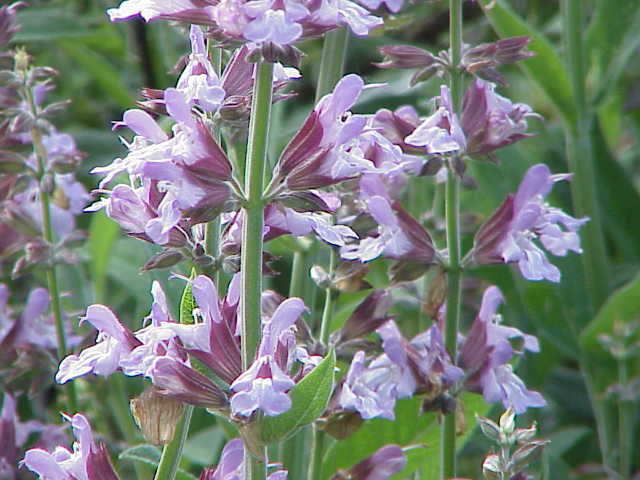
Salvia officinalis, commonly known as sage, is a perennial, evergreen subshrub with woody stems, grayish leaves, and blue to purplish flowers that is used in cooking and has medicinal properties.
Select reading age
Salvia Officinalis Facts For Kids
Videos & Quizzesincluded
About this topic
Salvia officinalis, commonly known as sage, is a special plant that belongs to the mint family 🌱. It is a perennial plant, which means it can live for many years! Sage has woody stems, gray-green leaves, and pretty blue or purplish flowers that bloom in summer. This wonderful plant originally comes from the Mediterranean region, especially countries like Italy 🇮🇹 and Greece 🇬🇷. People love sage not only for its beauty but also for its many uses in cooking and medicine. Sage has a strong, earthy flavor that makes it a popular choice in many dishes! 🍽️
Explore with ChatDinoKey Points
Sage is a superstar in the kitchen!
Throughout history, sage has been celebrated for its many uses!
Growing sage is not difficult!
Scientists are excited to study sage for its health benefits!
Sage isn’t just tasty; it also has special healing powers!
Sage leaf is easily recognized by its unique shape and fuzzy texture.
Sage is a plant that has great importance in many cultures around the world!
There are many types of sage, each with unique features!
Sage is beneficial for the environment in many ways!
Sage is a tough plant that doesn’t get sick easily!
Photos of Salvia Officinalis

Painting from Koehler's Medicinal Plants (1887)

Salvia Officinalis — photo 2

Salvia Officinalis — photo 3

Salvia Officinalis — photo 4

Salvia Officinalis — photo 5

Sage being gathered in a scene from the Tacuinum Sanitatis

The top side of a sage leaf – trichomes are visible.

A specimen of Salvia officinalis grown in a flowerpot

Sage seeds are very small and almost spherical in shape.
🍳 Culinary Uses
Sage is a superstar in the kitchen! 🍳It has a strong, aromatic flavor that goes well with many tasty dishes. People often use sage when cooking meats, especially turkey during Thanksgiving 🦃. You’ll also find it in delicious pasta sauces and savory soups. Besides, you can sprinkle fresh or dried sage on roasted vegetables for an extra yummy taste! Did you know that in Ancient Rome, sage was even used to make some popular sauces? 🍝Cooking with sage adds a hint of flavor to your meal, making it more enjoyable!
Go deeper🎉 Historical Uses
Throughout history, sage has been celebrated for its many uses! 🎉Ancient Greeks and Romans valued sage for its medicinal qualities and used it during sacred rituals. In the Middle Ages, it was believed that sage could prevent illness, so people planted it in their gardens for protection. Additionally, American colonists used sage in traditional dishes to flavor their cooking. 📜Even today, people continue to appreciate sage's historical roots, using it in recipes and folk medicine! By knowing its past, we can understand why this plant is so cherished today! 🔍
Go deeper🪴 Cultivation Methods
Growing sage is not difficult! 🪴It loves sunny places with well-drained soil. The best time to plant sage is in spring after the last frost. You can start by planting seeds or buying small sage plants. Make sure to water them regularly, but don’t let them sit in water; they prefer a little dryness! ⚠️ One interesting fact: sage can also be grown in pots, making it perfect for balconies or small gardens. In about 2 months, you can start picking leaves to use in your cooking! Just don’t pick too many at once—give the plant a chance to grow! 🌞
Go deeper🔬 Scientific Research
Scientists are excited to study sage for its health benefits! 🔬Research shows that sage contains compounds that might help with memory and brain health. Some studies also suggest that sage may reduce inflammation and boost the immune system! 💪To learn more, researchers are conducting various experiments to discover even more possibilities with this amazing plant. As they continue studying sage, we may find new ways to use it for our health. 🌱Sage not only delights our taste buds but could also keep our bodies strong and healthy!
Go deeper🩺 Medicinal Properties
Sage isn’t just tasty; it also has special healing powers! 🩺People have used sage for centuries to help with many health issues. For example, it can be used to soothe a sore throat or help digestion after a big meal. Some people enjoy sage tea made by steeping the leaves in hot water ☕. This tea can make you feel better and is packed with antioxidants, which help your body stay healthy! ✨While sage is great for your health, remember to use it wisely and talk to an adult if you're considering using it for medicine!
Go deeper🌿 Botanical Description
Sage leaf is easily recognized by its unique shape and fuzzy texture. The leaves are usually grayish-green and can grow up to 3 inches long! 🌿The plant can reach a height of about 2 feet and produces lovely flowers that attract bees and butterflies 🦋. These flowers can be blue, purple, or even white, creating a beautiful scene in gardens. The scientific name "Salvia" comes from the Latin word "salvare," meaning "to save," showing how important this plant has been throughout history. In fact, sage plants can live for over 10 years if taken care of properly! 🌼
Go deeper🌍 Cultural Significance
Sage is a plant that has great importance in many cultures around the world! 🌍In various traditions, it has been used in rituals, ceremonies, and even in food to bring good luck or protection. For example, Native Americans often burn sage as a cleansing ritual, a practice known as smudging 🌀. In the Middle Ages, people believed that carrying sage would protect them from evil spirits! Today, sage still holds its unique place in culinary traditions, especially in Mediterranean cooking, where it brings families together around the dinner table. 🍽️
Go deeper🌈 Varieties And Hybrids
There are many types of sage, each with unique features! 🌈The most common one is the culinary sage, Salvia officinalis, but there are also colorful varieties! For example, Purple Sage has stunning purple leaves, while Golden Sage has lovely yellow edges. 🌷There are also "Pineapple Sage" and "Meadow Sage," known for their sweet scents and pretty flowers. Some gardeners enjoy creating hybrids, blending different types of sage to create new flavors and colors! 🌱Each variety brings something special to the garden and your dishes!
Go deeper🌏 Environmental Benefits
Sage is beneficial for the environment in many ways! 🌏It attracts helpful insects like bees and butterflies, which are important for pollination. When sage plants grow, they help improve the soil by adding nutrients. Plus, sage doesn’t need a lot of water, making it a great choice for saving water 🌧️. Because sage is native to Mediterranean regions, it helps maintain the biodiversity of the area. By planting sage in your garden, you're helping the planet stay healthy and thriving! 🌻
Go deeper💪 Pest And Disease Management
Sage is a tough plant that doesn’t get sick easily! 💪However, some pests, like aphids and spider mites, occasionally try to munch on its tasty leaves. Proper care can help keep these pests away! To protect sage, consider planting it alongside other herbs like rosemary or thyme, which can discourage unwanted bugs 🦠. If pests appear, you can use a gentle soap solution to wash them off the leaves. Always check for any disease spots on the leaves. Keeping your sage plant healthy will make it happier and tastier! 🌿
Go deeper